

 Additive guide
E250 Sodium nitritewhat it means on a food label
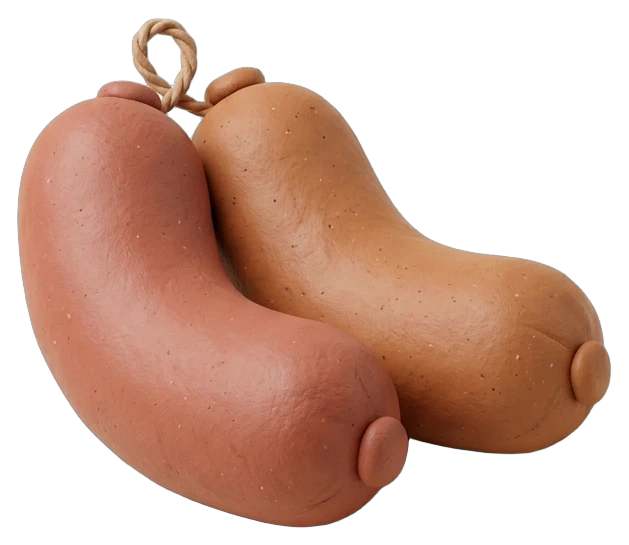
A preservative used in some cured meats to help control microbes and maintain colour. IARC's processed-meat finding does not classify this additive by itself. Berry Pure flags additives like this during a scan so you can decide faster at the shelf.
Berry Pure verdict

Worth watching
Berry Pure flags E250 when it appears on a label. The code means sodium nitrite, not a ban or a diagnosis. EFSA found permitted additive exposure within its safe level for most groups; the UK FSA's newer review found direct health-outcome evidence inconclusive. Compare the whole product, not this code alone.
Usually found in
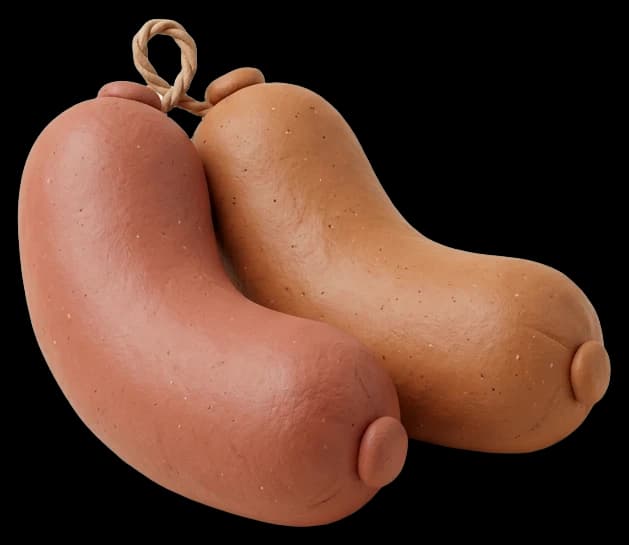
Some bacon, ham, sausages and cured meats
If these are regular buys in your kitchen, scan a few brands side by side. Additive use can vary a lot between similar products.
Additive family
Preservative
Stop mould, bacteria and spoilage.
How to spot it on a label
Manufacturers may use the E-number code, the full additive name, or a common alternative name. These are the label terms to check:
- E250
- sodium nitrite
- preservative (E250)
- preservative (sodium nitrite)

The evidence record
IARC classifies processed meat as carcinogenic to humans. That assessment concerns the food, not E250 in isolation. Nitrite can contribute to the formation of N-nitroso compounds, but the UK FSA's 2025 review found the evidence linking nitrate and nitrite additives directly to health outcomes inconclusive. A code on one pack cannot establish an individual's risk.
Sodium nitrite helps preserve some cured meats, including by limiting the growth of bacteria that cause botulism. EFSA's 2017 assessment found exposure from permitted additive uses within its acceptable daily intake for most groups, with a possible slight exceedance among highly exposed children. The UK FSA reviewed newer evidence in 2025; Great Britain and EU limits are not identical.
Acceptable daily intake
0 to 0.07 mg per kg of body weight per day expressed as nitrite ion (EFSA, 2017), a group ADI shared with potassium nitrite (E249)
Regulatory status
E250 is authorised in Great Britain for specified uses. The EU tightened permitted nitrite levels in some foods from October 2025; the UK FSA notes those EU limits are lower than the Great Britain limits. Check the rules for the market on the pack.
Related additives
Same family, similar label context, or the same Berry Pure verdict.
Frequently askedquestions
Everything you need to know about scanning your food with Berry Pure.
What is E250 Sodium nitrite?
E250 is Sodium nitrite, a preservative used in foods such as some bacon, ham, sausages and cured meats. A preservative used in some cured meats to help control microbes and maintain colour. IARC's processed-meat finding does not classify this additive by itself.
Is E250 bad for you?
Berry Pure flags E250 when it appears on a label. The code means sodium nitrite, not a ban or a diagnosis. EFSA found permitted additive exposure within its safe level for most groups; the UK FSA's newer review found direct health-outcome evidence inconclusive. Compare the whole product, not this code alone.
How do I spot E250 on a label?
Look for these label names: E250, sodium nitrite, preservative (E250), preservative (sodium nitrite). Some products spell out the additive name instead of using the E-number code.
Can Berry Pure flag E250?
Yes. Berry Pure scans ingredient labels with your camera and flags additives like E250 so you do not have to memorize code numbers while shopping.
Sources
The claims on this page are based on these publications.
- EFSAFood additives: how additives are evaluated and approved in the EU
- WHO/IARCCarcinogenicity of the consumption of red meat and processed meat
- UK FSAGreat Britain authorisation register: sodium nitrite (E250)
- UK FSA2025 review of nitrate and nitrite additives
- EFSA2017 assessment of nitrites and nitrates added to food
- UK FSAHow additive names and E numbers appear on labels
- FSSScottish guidance on additive names and E numbers



See what’s really
in your food
Scan your first label in seconds and start making cleaner choices across your whole kitchen.
Free to download. Subscription required for Premium.
Berry Pure Premium is a monthly or annual subscription. Payment is charged to your Apple ID at confirmation of purchase and automatically renews unless cancelled at least 24 hours before the end of the current period. Manage or cancel anytime in your App Store account settings.