
 Additive guide
E319 TBHQwhat it means on a food label
Petroleum-derived antioxidant with tumour findings in high-dose rodent studies and emerging immune-effect research. Berry Pure flags additives like this during a scan so you can decide faster at the shelf.
Berry Pure verdict
Best avoided
E319 is on Berry Pure's best-avoided list because the evidence record includes a ban, warning-label requirement, regulatory action, or a consistent health concern. The practical move is simple: if you see E319 or TBHQ on a food you buy often, scan the label and look for a cleaner swap.
Usually found in
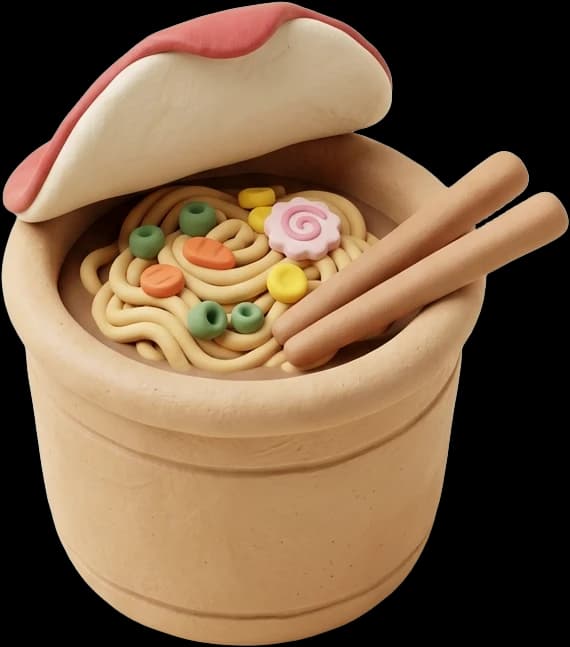
Instant noodles, crisps, frying oils
If these are regular buys in your kitchen, scan a few brands side by side. Additive use can vary a lot between similar products.
Additive family
Antioxidant
Keep fats from going rancid and control acidity.
How to spot it on a label
Manufacturers may use the E-number code, the full additive name, or a common alternative name. These are the label terms to check:
- E319
- TBHQ
- Tert-butylhydroquinone

The evidence record
TBHQ is a synthetic antioxidant, and the weight of evidence points to a comfortable safety margin at permitted levels. JECFA set an acceptable daily intake of 0 to 0.7 mg per kg of body weight in 1997, and EFSA reviewed the data in 2004, concluded TBHQ is not carcinogenic, and confirmed the same figure. IARC has not classified TBHQ. Animal studies at high doses have reported effects such as forestomach changes, but everyday dietary exposure sits well below the levels that produce those effects.
TBHQ mainly protects fats and oils from going rancid, so it appears in fried foods, instant noodles, crackers, and some frozen and packaged snacks. In the United States the FDA caps total antioxidant content, including TBHQ, at 0.02 percent of the oil or fat in a food, and it is permitted in the EU as E319 under defined conditions. It was not among the additives named in California's 2023 Food Safety Act. EFSA reconfirmed in 2016 that estimated intakes stayed below the acceptable daily intake across population groups.
Acceptable daily intake
0 to 0.7 mg per kg of body weight per day, set by JECFA in 1997 and confirmed by EFSA in 2004
Regulatory status
In the United States the FDA limits total antioxidant content, including TBHQ, to 0.02% of the oil or fat content of a food; it is permitted in the EU as E319 within defined limits. TBHQ was not among the additives banned by California's 2023 Food Safety Act.
Related additives
Same family, similar label context, or the same Berry Pure verdict.
Frequently askedquestions
Everything you need to know about scanning your food with Berry Pure.
What is E319 TBHQ?
E319 is TBHQ, a antioxidant used in foods such as instant noodles, crisps, frying oils. Petroleum-derived antioxidant with tumour findings in high-dose rodent studies and emerging immune-effect research.
Is E319 bad for you?
E319 is on Berry Pure's best-avoided list because the evidence record includes a ban, warning-label requirement, regulatory action, or a consistent health concern. The practical move is simple: if you see E319 or TBHQ on a food you buy often, scan the label and look for a cleaner swap.
How do I spot E319 on a label?
Look for these label names: E319, TBHQ, Tert-butylhydroquinone. Some products spell out the additive name instead of using the E-number code.
Can Berry Pure flag E319?
Yes. Berry Pure scans ingredient labels with your camera and flags additives like E319 so you do not have to memorize code numbers while shopping.
Sources
The claims on this page are based on these publications.

See what’s really
in your food
Scan your first label in seconds and start making cleaner choices across your whole kitchen.
Free to download. Subscription required for Premium.
Berry Pure Premium is a monthly or annual subscription. Payment is charged to your Apple ID at confirmation of purchase and automatically renews unless cancelled at least 24 hours before the end of the current period. Manage or cancel anytime in your App Store account settings.