 Additive guide
E171 Titanium dioxidewhat it means on a food label
Banned in EU food since 2022 after EFSA could not rule out genotoxicity from nanoparticles. Still allowed in the US. Berry Pure flags additives like this during a scan so you can decide faster at the shelf.
Berry Pure verdict
Best avoided
E171 is on Berry Pure's best-avoided list because the evidence record includes a ban, warning-label requirement, regulatory action, or a consistent health concern. The practical move is simple: if you see E171 or Titanium dioxide on a food you buy often, scan the label and look for a cleaner swap.
Usually found in
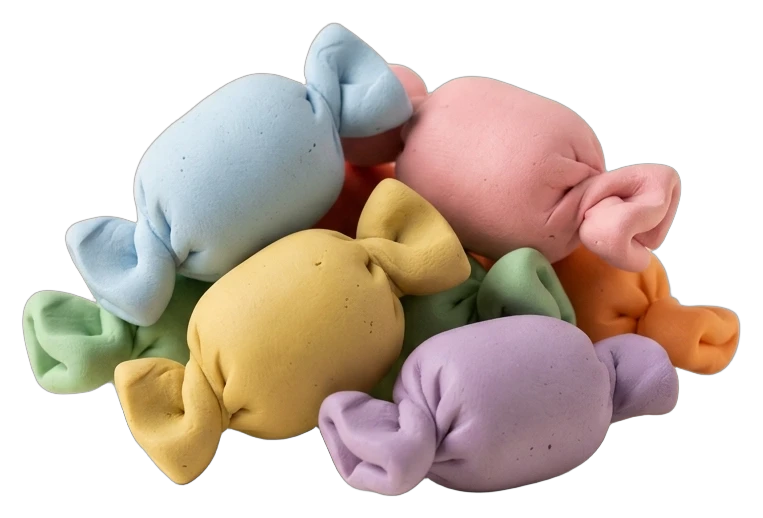
White coatings, sweets, gum (non-EU)
If these are regular buys in your kitchen, scan a few brands side by side. Additive use can vary a lot between similar products.
Additive family
Colour
Dyes and pigments that change how food looks.
How to spot it on a label
Manufacturers may use the E-number code, the full additive name, or a common alternative name. These are the label terms to check:
- E171
- Titanium dioxide

The evidence record
In 2021 the European Food Safety Authority reassessed titanium dioxide and concluded it could no longer be considered safe as a food additive. The decisive issue was genotoxicity: the panel could not rule out that titanium dioxide particles, including the nanoscale fraction present in E171, might damage DNA, and it could not identify a level below which that effect would not occur. Because no safe threshold could be established, EFSA declined to set an acceptable daily intake, a notably stronger conclusion than its earlier reviews had reached.
E171 is a bright white pigment used to colour and opacify products such as chewing gum, candy coatings, frostings, sauces, and some supplements. People are exposed by eating these foods, since the pigment is not a nutrient and passes largely unabsorbed through the gut. Acting on the 2021 opinion, the European Union banned E171 in food through Regulation (EU) 2022/63, with sales ending after 7 August 2022. The United States, United Kingdom, Canada, and Australia and New Zealand still permit it, and the FDA reaffirmed its position in 2024.
Acceptable daily intake
No acceptable daily intake could be set: in 2021 EFSA concluded a safe ADI could no longer be established because a concern for genotoxicity could not be ruled out (EFSA, 2021)
Regulatory status
The EU withdrew authorization of titanium dioxide as a food additive under Commission Regulation (EU) 2022/63, with sales of E171-containing food ending after 7 August 2022. The United States still permits it as a colour additive (not to exceed 1% by weight), and the FDA reaffirmed its position in 2024; the UK, Canada, and Australia and New Zealand also continue to allow it.
Related additives
Same family, similar label context, or the same Berry Pure verdict.
Frequently askedquestions
Everything you need to know about scanning your food with Berry Pure.
What is E171 Titanium dioxide?
E171 is Titanium dioxide, a colour used in foods such as white coatings, sweets, gum (non-eu). Banned in EU food since 2022 after EFSA could not rule out genotoxicity from nanoparticles. Still allowed in the US.
Is E171 bad for you?
E171 is on Berry Pure's best-avoided list because the evidence record includes a ban, warning-label requirement, regulatory action, or a consistent health concern. The practical move is simple: if you see E171 or Titanium dioxide on a food you buy often, scan the label and look for a cleaner swap.
How do I spot E171 on a label?
Look for these label names: E171, Titanium dioxide. Some products spell out the additive name instead of using the E-number code.
Can Berry Pure flag E171?
Yes. Berry Pure scans ingredient labels with your camera and flags additives like E171 so you do not have to memorize code numbers while shopping.
Sources
The claims on this page are based on these publications.
See what’s really
in your food
Scan your first label in seconds and start making cleaner choices across your whole kitchen.
Free to download. Subscription required for Premium.
Berry Pure Premium is a monthly or annual subscription. Payment is charged to your Apple ID at confirmation of purchase and automatically renews unless cancelled at least 24 hours before the end of the current period. Manage or cancel anytime in your App Store account settings.