



 Label check
Anti Inflammatory Breakfast Foods: Start Every Morning Fighting Inflammation
The meals you eat before 9 AM set your body's inflammatory tone for the day. Here are the breakfast foods that actually lower it, and the morning staples secretly working against you.
Free to download on iPhone. Subscription required for Premium.
Why Breakfast Is the Most Important Meal for Inflammation
Your body wakes up in a mildly inflammatory state. Cortisol peaks in the early morning hours, and your first meal either calms that response or amplifies it. Reaching for refined carbs and added sugars, the backbone of most conventional breakfast foods, triggers a blood sugar spike followed by a crash, which promotes the release of pro-inflammatory cytokines. Choosing anti inflammatory breakfast foods, the morning cornerstone of an anti-inflammatory diet, reverses that pattern entirely.
The best morning options combine omega-3 fats, fiber, and antioxidant-rich produce. Think smoked salmon on sprouted grain toast with avocado. Or a bowl of steel-cut oats topped with walnuts, ground flaxseed, and fresh blueberries. These combinations stabilize blood sugar, feed beneficial gut bacteria, and deliver polyphenols right when your body is primed to use them.
The problem is that many breakfast foods marketed as healthy, acai bowls from chain restaurants, protein smoothies, whole grain muffins, are loaded with added sugars, seed oils, and artificial flavors that cancel out the anti-inflammatory ingredients they also contain. A label scan before breakfast prep reveals which store-bought shortcuts are genuinely clean and which are just clever packaging.
 How it works
How to Build an Anti-Inflammatory Breakfast in Minutes
 1
1Audit your current breakfast staples
Pull out everything you eat in a typical morning, bread, cereal, yogurt, spreads, juice, coffee additions. Scan each one with BerryPure. You will likely find that one or two items drag your entire breakfast into ultra-processed territory.
 2
2Anchor each morning around a key anti-inflammatory food
Pick one powerhouse ingredient as your breakfast anchor: eggs with sauteed greens, overnight oats with chia seeds, or avocado with smoked salmon. Building around a single strong base makes meal prep fast and keeps inflammation-fighting nutrients front and center.
 3
3Add color and healthy fat
Layer in berries, leafy greens, or turmeric for antioxidants, plus walnuts, flaxseed, or olive oil for omega-3s. The more naturally colorful your plate, the broader the range of polyphenols and carotenoids you are consuming.
- 4
Scan any packaged additions before they become habits
Before a new bread, granola, or nut butter becomes a staple, scan it once. Some products will score 90 and earn a permanent spot in your rotation. Others will reveal ingredient lists that belong nowhere near an anti-inflammatory breakfast.

 Cleaner swaps
Breakfast Swaps That Reduce Morning Inflammation
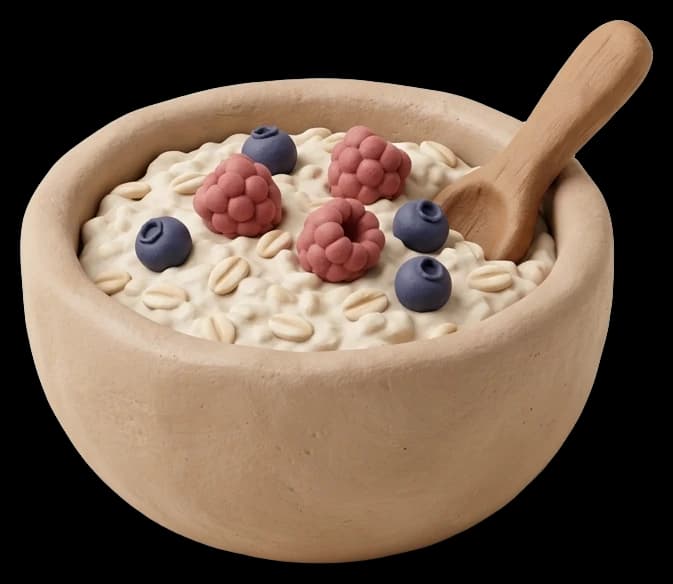
Flavored instant oatmeal packets (sugar, maltodextrin, artificial flavors)
Plain steel-cut oats with cinnamon, walnuts, and fresh berries
Instant oatmeal packets can contain 12+ grams of added sugar and maltodextrin, a refined starch that spikes blood sugar. Plain oats with real toppings deliver fiber and polyphenols without the inflammatory additives.
Commercial acai bowl from a chain (fruit juice base, granola with seed oils)
Homemade acai blend: frozen acai, half a banana, spinach, topped with raw hemp seeds and coconut flakes
Restaurant acai bowls often use apple or grape juice concentrate as the base, essentially liquid sugar, and top with granola fried in canola oil. Making it at home keeps the antioxidant benefits intact.
Store-bought egg muffins with sodium phosphate and modified food starch
Egg cups baked at home with spinach, bell peppers, and turmeric
Batch-cooking egg cups on Sunday takes 25 minutes and gives you five mornings of grab-and-go breakfasts. Turmeric adds curcumin, and the vegetables provide vitamin C that helps with its absorption.
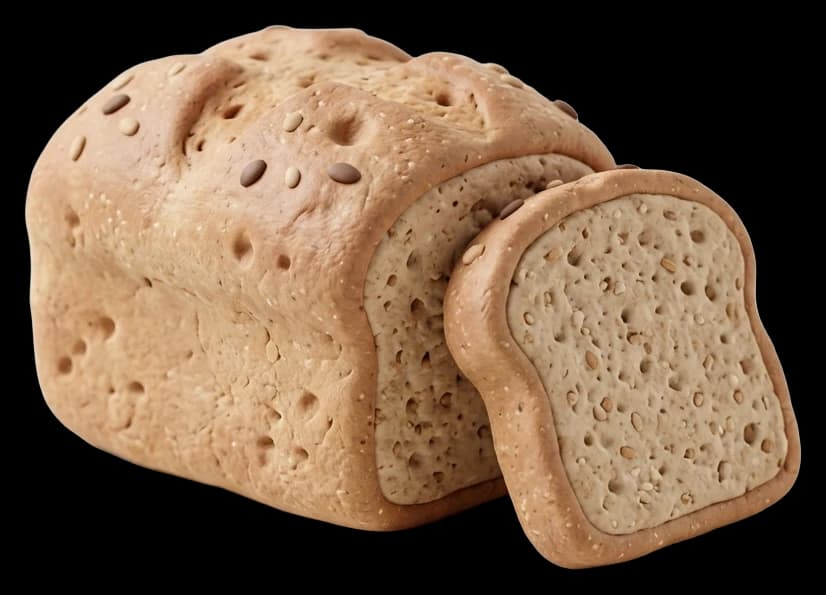
Whole wheat toast from bread with 20+ ingredients
Sprouted grain bread like Ezekiel (typically 6-8 whole-food ingredients)
Many whole wheat breads contain high fructose corn syrup, dough conditioners like DATEM, and azodicarbonamide. Sprouted breads use actual germinated grains, which increases nutrient bioavailability and keeps the ingredient list clean.

Vanilla Greek yogurt with modified corn starch and sucralose
Plain full-fat Greek yogurt with a drizzle of raw honey and ground ginger
Flavored yogurts can contain more sugar per serving than ice cream, plus thickeners and artificial sweeteners. Plain yogurt provides probiotics that support gut barrier integrity, a key factor in managing systemic inflammation.
Frequently askedquestions
Everything you need to know about scanning your food with Berry Pure.
What is the single best anti-inflammatory breakfast food?
If you could pick only one, wild blueberries are hard to beat. They have one of the highest antioxidant concentrations of any common fruit, are rich in anthocyanins that cross the blood-brain barrier, and pair effortlessly with oatmeal, yogurt, or smoothies. But variety matters, rotating between several anti-inflammatory foods gives you a broader range of protective compounds.
Are eggs inflammatory or anti-inflammatory?
Whole eggs are mildly anti-inflammatory for most people. They contain choline, which supports cell membrane integrity, and selenium, which plays a role in regulating immune response. Pasture-raised eggs also have a better omega-3 to omega-6 ratio than conventional eggs. The cooking method matters more than the egg itself, scrambling in butter or olive oil is preferable to frying in vegetable oil.
Is coffee anti-inflammatory?
Black coffee is actually one of the largest sources of polyphenols in the Western diet, and research consistently associates moderate coffee consumption (2-4 cups daily) with lower inflammatory markers. The problem starts when you add flavored creamers, sweetened syrups, or whipped toppings loaded with hydrogenated oils and corn syrup. Keep it simple, black, or with real milk and a touch of cinnamon.
Can I eat bread for an anti-inflammatory breakfast?
Yes, but the type of bread matters enormously. Sprouted grain breads, true sourdough made with long fermentation, and 100% whole grain breads with short ingredient lists are fine choices. Avoid breads with high fructose corn syrup, dough conditioners, or soybean oil, these are common in mass-produced loaves even when the package says 'whole wheat.'
What breakfast drinks are anti-inflammatory?
Green tea, matcha, black coffee, and golden milk (turmeric with black pepper and coconut milk) all have documented anti-inflammatory effects. Tart cherry juice in small amounts is also promising for inflammation. Avoid fruit juice, sweetened lattes, and bottled smoothies, they deliver sugar without the fiber that whole fruit provides.
How quickly will changing my breakfast reduce inflammation?
Many people notice improved energy and less morning bloating within the first week of switching to anti-inflammatory breakfasts. Measurable changes in blood markers like CRP and IL-6 typically take four to eight weeks of consistent dietary change. The morning meal is a great starting point because it's the most habit-driven meal, once you lock in a clean routine, it tends to stick.



See what’s really
in your food
Scan your first label in seconds and start making cleaner choices across your whole kitchen.
Free to download. Subscription required for Premium.
Berry Pure Premium is a monthly or annual subscription. Payment is charged to your Apple ID at confirmation of purchase and automatically renews unless cancelled at least 24 hours before the end of the current period. Manage or cancel anytime in your App Store account settings.