



 Label check
The Complete Anti Inflammatory Foods List: What to Eat and What to Scan
A comprehensive reference of foods that fight inflammation across every meal, plus the label-reading strategies that keep ultra-processed imposters off your plate.
Free to download on iPhone. Subscription required for Premium.
Building Your Anti Inflammatory Foods List from the Ground Up
Having a reliable anti inflammatory foods list, the backbone of any anti-inflammatory diet, changes the way you shop. Instead of wandering the aisles hoping that a product's marketing tells the truth, you walk in with a mental map of the ingredients that genuinely reduce inflammation, and the ones that quietly promote it.
The science here is well-established. Foods rich in omega-3 fatty acids (salmon, sardines, walnuts, flaxseed), polyphenols (berries, dark leafy greens, extra virgin olive oil), and soluble fiber (oats, lentils, sweet potatoes) have been shown across hundreds of studies to lower markers like C-reactive protein and interleukin-6. On the other side, refined sugars, industrial seed oils high in omega-6, and synthetic additives like artificial colors and emulsifiers are consistently associated with increased inflammatory markers in both human and animal studies.
The tricky part is that many packaged foods marketed as "healthy" or "natural" still contain these pro-inflammatory ingredients. A frozen salmon fillet is great, but a frozen salmon burger with soybean oil, modified corn starch, and caramel color is a different story entirely. That gap between what's on the front of the box and what's actually inside is exactly where label scanning becomes essential.
 How it works
How to Verify Any Food Against Your Anti-Inflammatory List
 1
1Know your anti-inflammatory anchors
Build your shopping list around proven anti-inflammatory categories: fatty fish, leafy greens, cruciferous vegetables, berries, nuts and seeds, legumes, whole grains, herbs and spices (especially turmeric, ginger, and rosemary), and healthy fats like olive oil and avocado.
 2
2Scan packaged versions before buying
When you pick up a packaged version of an anti-inflammatory food, canned fish, frozen vegetables with sauce, nut butters, or grain products, open BerryPure and scan the label. The app instantly flags additives like refined oils, added sugars, and synthetic preservatives that undermine the food's natural benefits.
 3
3Compare purity scores within a category
Not all canned salmon is equal. Not all olive oils are pure. Scan two or three options in the same category and let the purity score guide your pick. A score of 80 or higher generally means the product sticks close to its whole-food form.
- 4
Build a vetted favorites library
Save your highest-scoring products in BerryPure so you can restock without re-scanning every trip. Over time, your anti-inflammatory foods list becomes a personalized, label-verified shopping guide.

 Cleaner swaps
Cleaner Versions of Common Anti-Inflammatory Foods

Flavored canned tuna with soybean oil and pyrophosphate
Wild-caught tuna packed in water or extra virgin olive oil
Soybean oil is high in omega-6 fats that can offset the omega-3 benefits you're eating tuna for in the first place. Water-packed or EVOO-packed varieties preserve the anti-inflammatory profile.
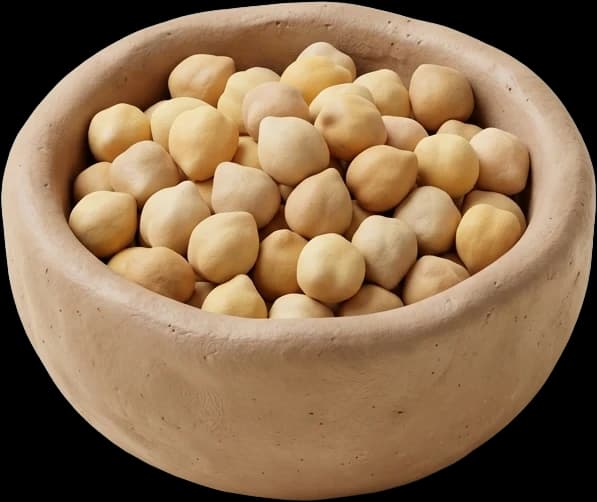
Store-bought hummus with canola oil and potassium sorbate
Hummus made with tahini and olive oil (or homemade: chickpeas, tahini, lemon, garlic)
Traditional hummus is built on chickpeas, tahini, and olive oil, all anti-inflammatory staples. Adding canola oil and preservatives dilutes those benefits unnecessarily.
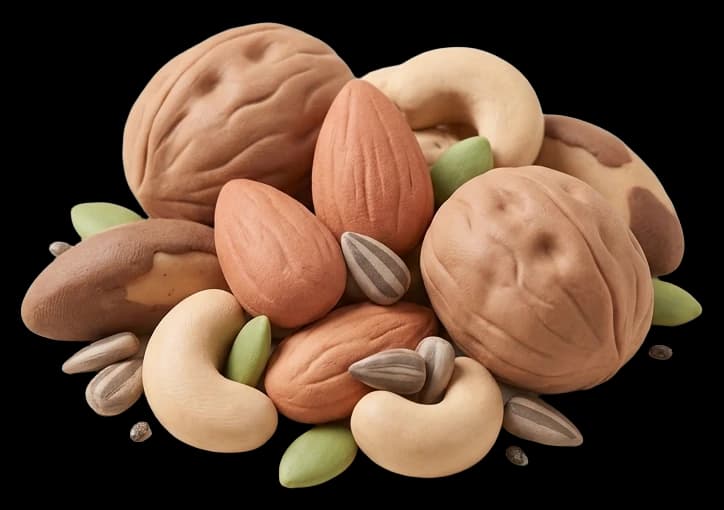
Mixed nuts roasted in vegetable oil with maltodextrin seasoning
Dry-roasted or raw nuts with just sea salt
Nuts are one of the most potent anti-inflammatory snacks available, but roasting them in vegetable oil and coating them in maltodextrin introduces the exact ingredients you are trying to avoid.
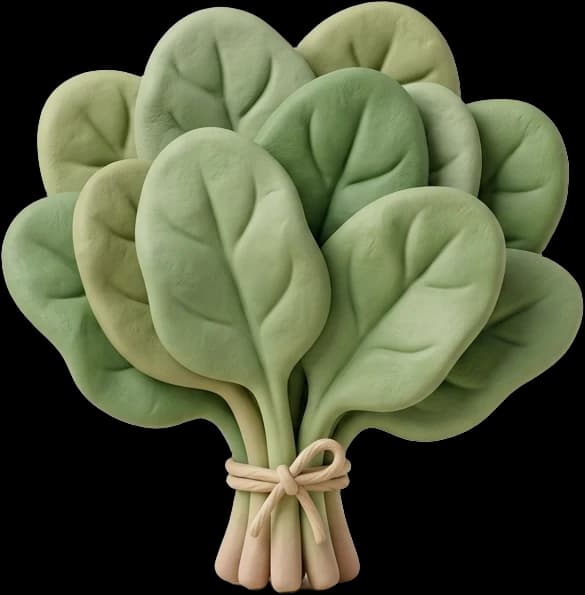
Pre-made smoothie bowls with fruit juice concentrate and natural flavors
Frozen wild blueberries, frozen acai, banana, and a handful of spinach blended at home
Fruit juice concentrate is essentially sugar stripped of its fiber. Real frozen fruit retains the polyphenols and fiber that give berries their anti-inflammatory reputation.

Bottled turmeric latte with sugar and guar gum
Golden milk made with real turmeric, black pepper, coconut milk, and a drizzle of honey
Curcumin in turmeric needs piperine from black pepper to be absorbed effectively. Most bottled versions skip the pepper, add sugar, and rely on thickeners instead of real coconut fat.
Frequently askedquestions
Everything you need to know about scanning your food with Berry Pure.
What are the top 10 anti-inflammatory foods?
Based on consistent research, a strong top 10 includes: wild salmon, blueberries, extra virgin olive oil, leafy greens like spinach and kale, walnuts, turmeric, ginger, broccoli, sweet potatoes, and green tea. These foods provide a combination of omega-3s, polyphenols, carotenoids, and fiber that target multiple inflammatory pathways.
Are all fruits and vegetables anti-inflammatory?
Most whole fruits and vegetables have some anti-inflammatory properties, but the degree varies. Deeply colored produce, dark berries, leafy greens, beets, red cabbage, tends to have the highest concentrations of polyphenols and anthocyanins. Starchy vegetables like white potatoes are not inflammatory per se, but they are less potent than their more colorful counterparts.
Can I eat grains on an anti-inflammatory diet?
Whole, intact grains like oats, quinoa, brown rice, and barley are generally considered anti-inflammatory because of their fiber and phytonutrient content. Refined grains, white flour, white rice, have been stripped of these protective compounds and can spike blood sugar, which promotes inflammation. Always check labels on grain products, as many 'whole grain' items still contain refined flour as the primary ingredient.
How do I know if a packaged food is really anti-inflammatory?
Ignore front-of-package claims and read the ingredient list. A genuinely anti-inflammatory product will have a short list of recognizable whole-food ingredients, no added sugars or refined oils, and no synthetic additives. Scanning with BerryPure makes this fast, the purity score reflects how close the product stays to its whole-food origins.
Does cooking method affect anti-inflammatory properties?
Yes. Steaming, sauteing in olive oil, and low-temperature baking generally preserve anti-inflammatory compounds well. Deep frying in seed oils or charring meat at high heat can create pro-inflammatory byproducts like advanced glycation end products (AGEs) and acrylamide. The food itself matters, but preparation matters too.
How is this list different from an anti-inflammatory diet?
An anti-inflammatory diet is a complete eating pattern, it includes meal planning, portion guidance, and foods to avoid. This list is a focused reference of specific foods with documented anti-inflammatory properties across every food category: proteins, produce, grains, fats, spices, and beverages. Use the list as the building blocks for your broader dietary approach.



See what’s really
in your food
Scan your first label in seconds and start making cleaner choices across your whole kitchen.
Free to download. Subscription required for Premium.
Berry Pure Premium is a monthly or annual subscription. Payment is charged to your Apple ID at confirmation of purchase and automatically renews unless cancelled at least 24 hours before the end of the current period. Manage or cancel anytime in your App Store account settings.