


Ultra Processed Food Scanner

Is Sourdough Bread Ultra Processed? It Depends on Which One You Buy

Real sourdough is one of the cleanest breads you can eat. But many supermarket versions are sourdough in name only. Here is how to tell the difference.

Scan Your Bread Label

Not All Sourdough Is Created Equal

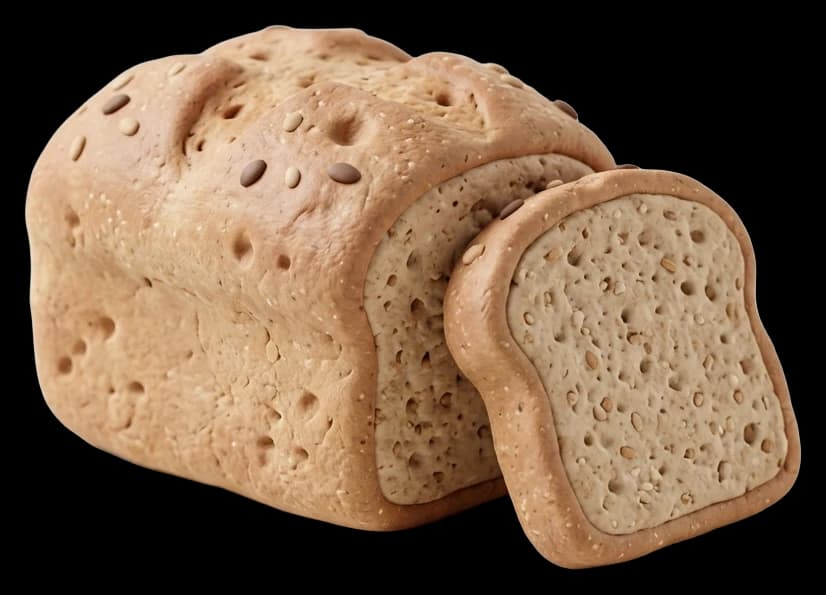
Sourdough has earned a reputation as the "healthy bread" — and when made traditionally, it deserves it. Authentic sourdough requires just flour, water, salt, and a live starter culture. The slow fermentation process breaks down gluten, produces beneficial organic acids, and lowers the glycemic index compared to conventional bread. By any classification system, traditional sourdough is minimally processed.

The problem is that the word "sourdough" is not regulated. Any manufacturer can slap it on a label regardless of how the bread was actually made. Walk through any supermarket bread aisle and you will find loaves labeled "sourdough" that contain calcium propionate (a preservative), dough conditioners like DATEM and sodium stearoyl lactylate, added sugar, and soybean oil. These products use a dash of sourdough flavoring or dried sourdough powder to justify the name while relying on commercial yeast and industrial additives for the actual leavening.

The gap between artisan sourdough and its supermarket impersonator is enormous. One is a four-ingredient bread with a centuries-old process. The other is an ultra-processed product wearing a sourdough costume. The only way to tell them apart is to flip the package over and read what is inside.

Three Steps to Find Genuinely Clean Sourdough

1

Flip and Scan the Label

Grab the sourdough you normally buy and scan it with BerryPure. Genuine sourdough should have 4-6 ingredients at most: flour, water, salt, and starter culture. If the list runs longer, the app will flag exactly which additives are present.

2

Watch for Fake Sourdough Red Flags

The app highlights telltale ultra-processed ingredients like calcium propionate, DATEM, mono- and diglycerides, and soybean oil. If you see commercial yeast (regular yeast) alongside sourdough culture, the fermentation was likely shortened and supplemented.

3

Compare Brands on the Same Shelf

Scan two or three sourdough options side by side. Purity scores will vary dramatically — often a 40-point spread between the cleanest and the most processed. The difference is immediately visible, and the better option is usually just an arm's reach away.

Better Bread Choices for Your Next Shopping Trip

Mass-produced "sourdough" with 15+ ingredients

Bakery sourdough with flour, water, salt, and culture only

Many grocery stores now carry bakery-section sourdough with short ingredient lists. These loaves are made with actual fermentation rather than flavoring additives.

Sourdough bread containing soybean oil and sugar

Sprouted grain bread

Sprouted grain breads like those from the freezer section often have cleaner ingredient profiles than shelf-stable sourdough imposters, with the added benefit of increased nutrient bioavailability.

Soft supermarket sourdough (often contains DATEM)

Homemade sourdough using a simple starter

Maintaining a sourdough starter takes about five minutes a day. Once established, you can bake a loaf weekly with just flour, water, and salt — the ultimate four-ingredient bread.

Pre-sliced sourdough sandwich bread with preservatives

Whole loaf sourdough that you slice at home

Pre-sliced bread requires preservatives like calcium propionate to prevent mold along the exposed surfaces. Whole loaves last 3-5 days at room temperature without any additives.

Frequently Asked Questions

Everything you need to know about ultra-processed food and sugar detox.

Is real sourdough bread ultra-processed?

No. Traditionally made sourdough bread — containing just flour, water, salt, and a live starter culture — falls under NOVA Group 3 (processed food) at most. The fermentation is a natural biological process, not an industrial one. The distinction matters because it determines whether you are eating a bread with genuine nutritional benefits or a processed product with a sourdough label.

Why do some sourdough breads have so many ingredients?

Speed and shelf life. Traditional sourdough fermentation takes 12-24 hours, which is expensive at industrial scale. Manufacturers shortcut this by using commercial yeast for fast rising, then adding sourdough flavoring or dried culture for taste. Preservatives, dough conditioners, and added oils extend shelf life far beyond what natural sourdough achieves.

What ingredients should I avoid in sourdough bread?

Red flags include calcium propionate (preservative), DATEM and sodium stearoyl lactylate (dough conditioners), soybean or canola oil, added sugars, and mono- and diglycerides (emulsifiers). If commercial yeast appears alongside sourdough culture, the fermentation was likely abbreviated.

Is sourdough better for digestion than regular bread?

Research suggests yes, for many people. The long fermentation process partially breaks down gluten and phytic acid, which can make the bread easier to digest and its minerals more bioavailable. Some people with mild gluten sensitivity report tolerating real sourdough better than commercial bread, though it is not safe for those with celiac disease.

Does sourdough bread spike blood sugar less?

Studies show that traditionally fermented sourdough has a lower glycemic index than bread made with commercial yeast. The organic acids produced during fermentation slow down starch digestion. However, this benefit applies to genuinely fermented sourdough — not to commercial bread that merely contains sourdough flavoring.

Where can I find real sourdough at the grocery store?

Check the bakery section first, especially if your store bakes in-house. Farmer's markets and local bakeries are also reliable sources. For packaged options, look for loaves with five or fewer ingredients and no preservatives. The shelf life is a clue too — real sourdough goes stale in 4-5 days, while ultra-processed versions can last weeks.

You deserve to know what's in your food.

Ultra-processed food is linked to obesity, diabetes, and brain fog. Whether you just want to scan labels or you're ready to cut it out completely, BerryPure has you covered.

Explore More Food Scans

is nutella ultra processed

nutella label scan + swaps

sugar detox week 1

60-day plan day-by-day guide

what are seed oils

seed oils explained + what to scan for

what is clean eating

clean eating guide + label scanning basics

anti inflammatory diet

anti-inflammatory foods + additives to avoid

how to sugar detox

step-by-step sugar detox with label scanning

artificial sweeteners bad for you

artificial sweetener risks + healthier swaps

seed oils bad for you

why seed oils are harmful + what to look for on labels

artificial sweeteners list

complete list of artificial sweeteners to scan for

clean eating meal plan

weekly clean eating plan + label scanning tips

whole foods diet plan

whole foods diet plan + avoiding processed ingredients

what is ultra processed food

UPF explained + how to identify it on labels

why are seed oils bad

seed oil health risks + better cooking oil alternatives

list of seed oils

every seed oil to watch for on ingredient labels

clean eating foods

approved clean eating foods + what to scan

emulsifiers in food

common emulsifiers to detect + healthier alternatives

improve gut health

gut health through cleaner food choices

protein powder without artificial sweeteners

clean protein powder picks + label check

non seed oils

healthy cooking oils that aren't seed oils

ultra processed food examples

common UPF examples + healthier swaps

ultra processed food list

comprehensive ultra-processed food list to avoid

seed oils to avoid

seed oils on labels to avoid + safer alternatives

probiotics for gut health

probiotic foods + avoiding gut-damaging additives

processed vs ultra processed food

key differences + how to tell them apart on labels

natural food additives

natural vs artificial additives + what labels reveal

what is considered ultra processed food

UPF classification guide + label scanning tips

blood sugar detox

blood sugar reset through cleaner eating

foods for gut health

gut-friendly foods + additives that harm gut health

common food additives

most common food additives + what they do

drinks without artificial sweeteners

clean drink options + what to scan for

how to start eating clean

beginner clean eating guide + scanning basics

clean eating breakfast

clean breakfast ideas + ingredients to avoid

no sugar detox

zero sugar detox challenge + tracking progress

red food dye ban

food dye ban explained + scanning for dyes