



 Label check
Unprocessed Foods Diet: How to Actually Eat This Way
Not theory. A day-to-day system for shopping, cooking, and eating from whole ingredients without spending your life in the kitchen.
Free to download on iPhone. Subscription required for Premium.
A Week of Eating Unprocessed, Mapped Out
Most people who attempt an unprocessed foods diet fail for a logistical reason, not a willpower one: they remove the packaged food before building the system that replaces it. By Wednesday there is nothing quick to eat, and the frozen pizza returns. The fix is to treat this as an operations problem. You need a default breakfast, a repeatable lunch, a two-hour Sunday routine, and a snack drawer that requires zero decisions.
Start with breakfast, because it is the easiest meal to lock in. Rotate three defaults and stop thinking about it: eggs with fruit, overnight oats made from rolled oats, milk, and berries, or plain full-fat yogurt with walnuts and honey. Every option takes under five minutes of active effort. Lunch works best as assembly rather than cooking: a grain you batch-cooked, a protein you batch-cooked, raw or roasted vegetables, olive oil, lemon, salt. Change the spices and the combination feels new all week.
The engine of the whole approach is a Sunday block of roughly two hours. Roast a tray of chicken thighs and a tray of mixed vegetables while a pot of rice and a pot of lentils cook on the stove. Boil six eggs. Wash lettuce. That single session produces the components for four dinners and five lunches. Dinner on a weeknight becomes ten minutes: reheat components, add a pan-seared piece of fish or a fried egg, finish with butter or a quick yogurt sauce.
Shopping changes shape too. Your cart should be roughly 80% perimeter: produce, meat, fish, eggs, dairy. The inner aisles still matter, but you enter them with a specific list: dried beans, canned tomatoes, rice, oats, olive oil, frozen vegetables, nuts, spices. These pantry staples are where a strict reading of unprocessed gets impractical, and this is where the NOVA classification helps: minimally processed Group 1 foods like frozen peas and plain oats, and even simple Group 3 foods like canned sardines, belong in this diet. If you are unsure which basics qualify, our unprocessed foods list is the shopping companion to this guide.
Budget-wise, this way of eating skews cheaper than the packaged version if you let it. Dried lentils, an inexpensive source of protein and fiber, cost a fraction of protein bars per gram of protein. A whole chicken outperforms nuggets on price and yields stock as a bonus. Where costs climb is in premium substitutions: almond flour crackers and grass-fed jerky are still packaged products with packaged prices. Skip the health-food-aisle replacements entirely; the diet works because the food is simple, not because it is expensive.
Expect two friction points in the first month. Week one, meals may taste flat until your palate recalibrates away from engineered flavor; use more salt, acid, and fat than you think you should, since you are no longer eating the sodium embedded in packaged food, which supplies a significant share of dietary sodium. Week three, boredom hits; solve it with new spice routes (smoked paprika and cumin, ginger and soy, herbs and lemon) rather than new products. And when you do buy anything in a package, scan it. The products that quietly break this diet are the wholesome-looking ones, the granola, the wraps, the sauces, and a check against ingredients to avoid takes BerryPure two seconds.
 How it works
Your First Two Weeks, Step by Step
 1
1Run a pantry audit with BerryPure
Scan everything packaged in your kitchen and let the app sort it into clean, borderline, and ultra-processed. You are not throwing anything out yet, just building an honest map of your starting point.
 2
2Install the Sunday routine before removing anything
Do one two-hour batch-cooking session and eat from it for a week while your old food is still around. Once the system feeds you reliably, the packaged stuff loses by default rather than by discipline.
 3
3Replace groceries as they run out, scan as you rebuy
Each time a packaged item empties, scan candidate replacements at the store and pick the one with no flags. Within a month of normal shopping cycles, your kitchen turns over without a dramatic purge.

 Cleaner swaps
The Swaps That Keep This Diet Sustainable

Weeknight frozen entree
Batch-cooked rice, roasted chicken, and vegetables reheated in ten minutes
The frozen meal wins on effort only if you have nothing prepped. With Sunday components ready, the homemade plate is just as fast and you skip the modified starches and flavor enhancers.
Breakfast cereal and flavored creamer routine
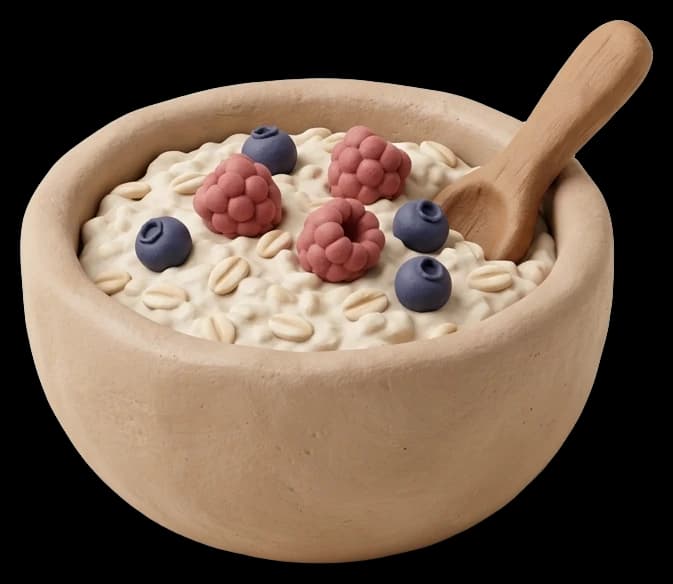
Overnight oats prepped in five jars on Sunday
Grab-and-go convenience is the real thing cereal sells. Jarred oats with milk, fruit, and cinnamon match that convenience with three whole ingredients.

Energy bars in the gym bag
A zip bag of dates, almonds, and dark chocolate pieces
Dates deliver fast carbohydrate, nuts add fat and protein, and nothing needs a binder or preservative. Costs about half as much per snack.

Bottled dressings and marinades
A jar of 3:1 olive oil and vinegar with mustard and garlic, shaken weekly
One master vinaigrette handles salads, roasted vegetables, and chicken marinades all week, replacing three or four bottles of stabilized sauce.
Takeout on the busiest night
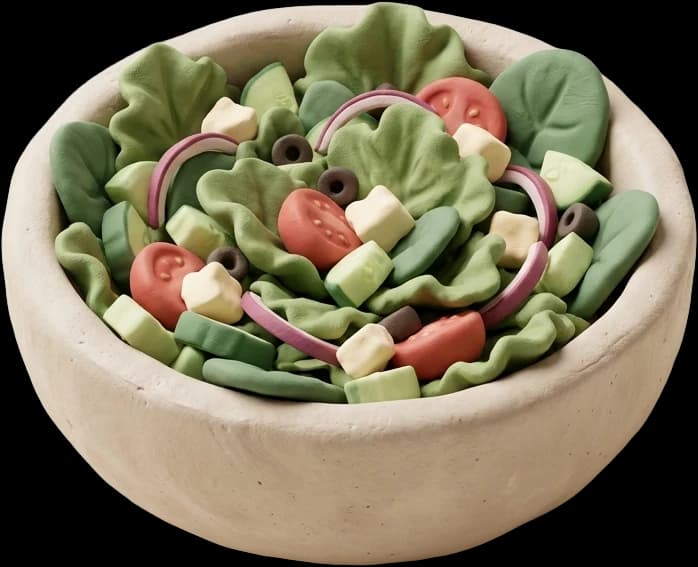
A standing omelet-and-salad night
Every sustainable whole-food diet needs a designated lazy meal. Eggs, cheese, and greens go from fridge to table in eight minutes, faster than delivery arrives.

Sweetened yogurt cups for dessert
Plain yogurt with frozen cherries warmed in a pan
Warm fruit against cold yogurt reads as dessert to your brain. You drop the modified corn starch and roughly 12 grams of added sugar per serving.
Frequently askedquestions
Everything you need to know about scanning your food with Berry Pure.
What can you eat on an unprocessed foods diet?
Vegetables, fruits, meat, poultry, fish, eggs, plain dairy, beans, lentils, whole grains like rice and oats, nuts, seeds, herbs, and spices. Simple culinary ingredients such as olive oil, butter, salt, and honey are used to cook them, and minimally processed staples like frozen vegetables and canned tomatoes are fully compatible.
How much time does this diet realistically take?
With batch cooking, plan on roughly two hours on Sunday plus 10-20 minutes per weeknight dinner. That is usually less total time than people expect, and often less than the accumulated waiting, ordering, and reheating of a convenience-food week.
Do I have to give up coffee, cheese, or bread?
No. Coffee is minimally processed, traditional cheese is a simple processed food, and bread made from flour, water, salt, and yeast fits comfortably. The diet targets industrial formulations, not every food that has ever been transformed by human hands.
Will I lose weight eating only unprocessed foods?
Many people do without counting anything. In a controlled NIH trial, participants eating minimally processed meals spontaneously consumed about 500 fewer calories per day than the same people on an ultra-processed diet. Whole foods tend to be more filling per calorie, though total intake still governs the outcome.
What should I do about eating out and social meals?
Aim for dishes built from recognizable components: grilled meat or fish, vegetables, potatoes, salads with oil and vinegar. Treat social meals as a planned exception rather than a failure. A diet that survives birthdays and restaurants is the one you will still be following next year.
Is this the same as clean eating or whole30?
It overlaps but is less restrictive. An unprocessed foods diet has one rule, eat food made from ingredients rather than formulations, and it does not ban grains, dairy, legumes, or sugar used in home cooking. Named programs add their own exclusions on top of that foundation.



See what’s really
in your food
Scan your first label in seconds and start making cleaner choices across your whole kitchen.
Free to download. Subscription required for Premium.
Berry Pure Premium is a monthly or annual subscription. Payment is charged to your Apple ID at confirmation of purchase and automatically renews unless cancelled at least 24 hours before the end of the current period. Manage or cancel anytime in your App Store account settings.