

 Label check
What Is High Fructose Corn Syrup and Why Is It in Everything?
High fructose corn syrup shows up in bread, ketchup, yogurt, and hundreds of products you would never expect. Here is what it actually is, how it is made, and how to spot it on any label.
Free to download on iPhone. Subscription required for Premium.
HFCS: The Industrial Sweetener in Your Everyday Foods
High fructose corn syrup is a liquid sweetener made from corn starch that has been enzymatically processed to convert some of its glucose into fructose. The two most common forms are HFCS-55 (used in soft drinks, containing 55% fructose and 45% glucose) and HFCS-42 (used in baked goods, condiments, and canned fruit, containing 42% fructose and 58% glucose), figures the FDA documents from the Code of Federal Regulations. It was introduced in the late 1960s and became the dominant sweetener in American food manufacturing by the mid-1980s because it is cheaper than cane sugar, easier to transport in liquid form, and extends shelf life.
The health debate around HFCS has been contentious. The corn industry argues it is metabolically identical to table sugar, a position the FDA partly echoes in noting HFCS and sucrose have similar glucose-to-fructose ratios, while independent researchers point out that the industrial processing, the liquid form (which makes overconsumption easier), and the sheer volume in which it appears in processed foods make it a distinct concern. What is not debatable is that HFCS is a hallmark ingredient of ultra-processed food. Its presence on a label almost always accompanies a long list of other additives, because the same products that use HFCS to cut costs also use artificial colors, preservatives, and emulsifiers for the same reason.
The most practical concern for anyone trying to eat cleaner is simply that HFCS is hiding in far more foods than most people realize. It is in salad dressings, whole wheat bread, cough syrup, protein bars, and spaghetti sauce. If you are not reading labels, you are almost certainly consuming it daily without knowing.
 How it works
How to Find and Eliminate HFCS From Your Diet
 1
1Scan Your Pantry and Fridge Staples
Open BerryPure and scan the ingredient labels of your most-used condiments, breads, sauces, and snacks. HFCS is most commonly found in ketchup, barbecue sauce, salad dressings, sandwich bread, flavored yogurt, soda, juice drinks, cereal, and granola bars.
 2
2Learn All the Names HFCS Goes By
On labels, HFCS may appear as high fructose corn syrup, HFCS, corn syrup (a related but different product), corn sugar, glucose-fructose syrup (common in European products), or isoglucose. BerryPure flags all of these variants automatically when scanning.
 3
3Replace the Biggest Sources First
Focus on the products you consume most frequently. Switching your daily bread, go-to condiment, and regular snack to HFCS-free versions eliminates the majority of your exposure. You do not need to overhaul everything overnight.

 Cleaner swaps
Swap Out HFCS With Cleaner Alternatives
Ketchup sweetened with HFCS (Heinz original, Hunt's)
Ketchup made with cane sugar or no added sweetener (Primal Kitchen, Annie's Organic)
Conventional ketchup lists HFCS as the third ingredient, contributing about 4 grams of added sugar per tablespoon. HFCS-free versions use tomato paste as the primary ingredient, resulting in a more concentrated tomato flavor with less sweetness.
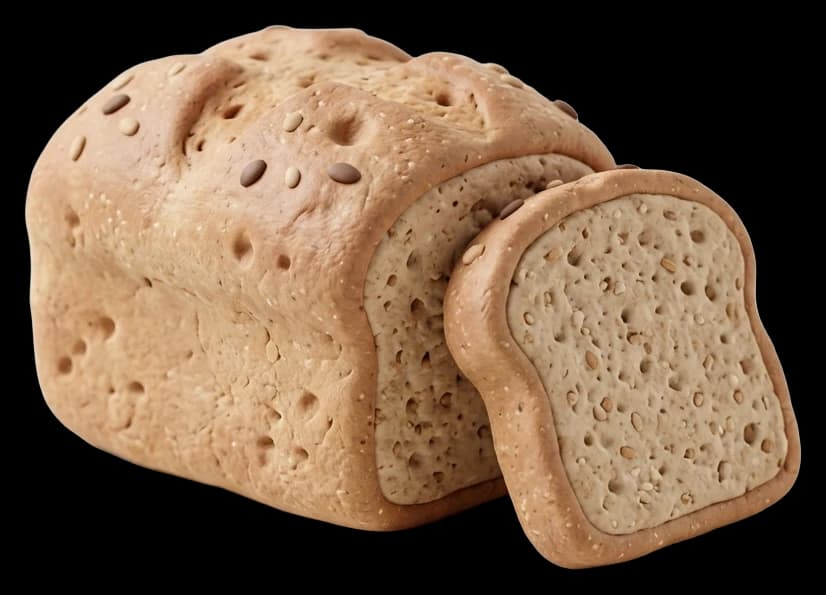
Commercial white or wheat sandwich bread with HFCS
Bakery sourdough or bread with a short ingredient list (flour, water, salt, yeast)
HFCS in bread serves as a cheap browning agent and preservative. Bread made without it has a shorter shelf life but a dramatically cleaner ingredient list, often four to six ingredients versus twenty or more.
Regular soda (35-45g HFCS per can)
Sparkling water with a squeeze of fresh citrus or muddled berries
A single can of soda delivers 9 to 11 teaspoons of HFCS-55 in liquid form, which the body absorbs rapidly. Sparkling water with real fruit gives you the fizz and flavor with zero added sugar.

Barbecue sauce with HFCS as the first or second ingredient
Primal Kitchen or homemade barbecue sauce (tomato paste, apple cider vinegar, smoked paprika, garlic, mustard powder)
Most mainstream barbecue sauces are essentially HFCS with smoky flavoring added. A homemade version built on tomato paste and vinegar lets you control the sweetness and skip the corn syrup entirely.

Fruit-flavored yogurt with HFCS or corn syrup
Plain whole-milk yogurt topped with fresh or frozen fruit
Flavored yogurts frequently use HFCS or modified corn starch to achieve a dessert-like texture and sweetness. Plain yogurt with real fruit provides natural sweetness, more protein, and active probiotic cultures without the industrial sweetener.
Frequently askedquestions
Everything you need to know about scanning your food with Berry Pure.
What exactly is high fructose corn syrup made from?
HFCS starts as corn starch, which is extracted from corn kernels. Enzymes (alpha-amylase and glucoamylase) break the starch into glucose. Then a third enzyme, glucose isomerase, converts a portion of the glucose into fructose. The result is a syrupy liquid that is sweeter and cheaper to produce than cane sugar. The entire process is industrial, it cannot be replicated in a home kitchen.
Is high fructose corn syrup worse than regular sugar?
The composition of HFCS-55 (55% fructose, 45% glucose) is close to sucrose (50% fructose, 50% glucose), so metabolically they are similar in small amounts. The practical concern is quantity and context: HFCS is added to an enormous range of processed foods at low cost, making it easy to consume far more total sugar than you would with table sugar alone. Its presence also reliably signals an ultra-processed product with other additives.
What foods commonly contain HFCS?
HFCS is found in soft drinks, fruit-flavored beverages, ketchup, barbecue sauce, salad dressings, commercial bread and buns, breakfast cereals, flavored yogurt, granola bars, canned fruit in syrup, ice cream, cookies, candy, sports drinks, and many condiments. It even appears in some unexpected products like cough syrup, applesauce, and canned soups.
How do I know if a product contains HFCS?
Check the ingredient list on the back of the package. It will be listed as high fructose corn syrup, HFCS, or sometimes glucose-fructose syrup. Do not rely on front-of-package claims like 'all natural', HFCS can legally appear in products with that label. Scanning with BerryPure flags it automatically alongside any other ultra-processed ingredients in the product.
Is corn syrup the same as high fructose corn syrup?
No. Regular corn syrup (like Karo brand) is mostly glucose and has not undergone the enzymatic conversion that creates the high fructose version. While corn syrup is still a refined sweetener, it has a different sugar composition than HFCS. On ingredient labels, they are listed separately. Both are signals of added sugar, but HFCS specifically indicates the more heavily processed variant.
Can I avoid HFCS completely?
It is very achievable with some label awareness. The simplest approach: cook with whole foods as much as possible, and when you buy packaged products, scan the label for HFCS and its aliases before purchasing. Many brands now offer HFCS-free versions of common products like bread, ketchup, and cereal, they are often on the same shelf as the conventional versions.

See what’s really
in your food
Scan your first label in seconds and start making cleaner choices across your whole kitchen.
Free to download. Subscription required for Premium.
Berry Pure Premium is a monthly or annual subscription. Payment is charged to your Apple ID at confirmation of purchase and automatically renews unless cancelled at least 24 hours before the end of the current period. Manage or cancel anytime in your App Store account settings.