


Day 1
 Label check
Sugar Withdrawal Timeline: What Research Shows
There is no established day-by-day schedule for symptoms after reducing sugar. Here is what human research can tell us, what remains uncertain, and how to compare added sugars on food labels.
Check Your Label for Sugar Sources
Free to download on iPhone. Subscription required for Premium.

At a glance
Sugar withdrawal timeline
Human research has not established a common day-by-day course. These stages show what remains uncertain.

Days 2-5
A fixed symptom peak has not been demonstrated

Days 6-7
There is no evidence-based day when symptoms should ease

Study period
Across two weeks of monitoring, participants reported cravings, low energy, body aches and low mood; the study did not isolate a typical week for these symptoms

Weeks 3-4
That study did not follow participants this long, so it cannot establish a recovery deadline
Experiences vary; this is not a clinical timetable.

There is no set day when symptoms peak or pass. Compare food labels for a practical next step.
What the research shows about timing
A two-week study followed 203 adults in New Zealand who were trying to stop consuming free sugars. Participants reported varied experiences, including cravings, low energy, body aches and low mood. Because the study did not assess symptoms before they changed their diets or follow people beyond two weeks, it cannot establish when symptoms begin, peak or end for most people. Read the human study.
An older review of intermittent, excessive sugar intake describes dependence-like behavior in rats. It does not establish a clinical human withdrawal timetable or show that a food-label scan changes symptoms. Read the animal-model review.
The study tracked free sugars, which are not the same as the Added Sugars value on a US label. WHO includes sugars naturally present in fruit juice in free sugars. On a US label, check Total Sugars as well as Added Sugars when comparing juice and other drinks. WHO defines free sugars; the FDA explains US sugar labels.
If your goal is to understand how much added sugar a packaged food contains, start with the serving size and the Added Sugars line on a US Nutrition Facts label. Total Sugars also includes sugars naturally present in foods such as milk and fruit. BerryPure can help you review a readable ingredient list and spot possible sugar sources; it cannot diagnose symptoms or certify a food as sugar-free.
 How it works
How BerryPure helps you read sugar-related label information
 1
1Scan a readable ingredient list
BerryPure can call out sugar-related ingredients in a food-label scan. Check the package yourself too, since a scan is not an exhaustive guarantee.
 2
2Compare the full label
On a US Nutrition Facts label, compare the serving size, Total Sugars and Added Sugars. The app purity score is an overall label interpretation, not a sugar-free certification.
 3
3Consider a comparable option
BerryPure may suggest a cleaner swap. Compare the two packages directly if added sugar matters to your choice; suggestions are not a treatment for symptoms.
- 4
Check new groceries as you go
Ingredients and nutrition values vary by product. Review each current package rather than assuming an earlier scan applies to another formulation.

 Cleaner swaps
Examples to compare on the label
Sweetened granola or flavored oatmeal
Plain rolled oats with fruit or nuts
Compare serving sizes and the Added Sugars line where it is available. Fruit contributes naturally occurring sugar, which is distinct from added sugar on US labels.
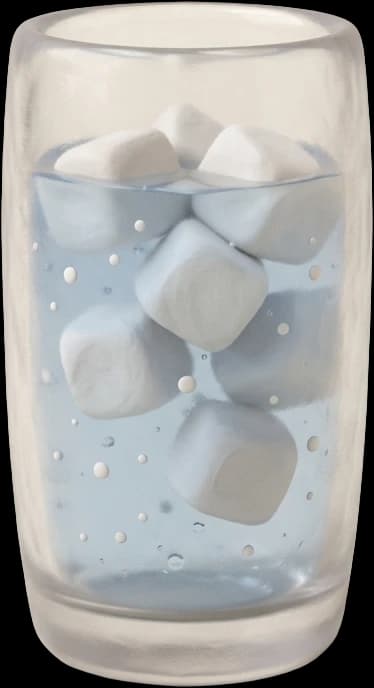
Fruit juice or sweetened iced tea
Water, sparkling water or unsweetened tea
Check the serving size and Total Sugars on each drink label. On US labels, the Added Sugars line helps you compare sweetened options.
Ketchup or BBQ sauce
A condiment you prefer with less added sugar
Sugar amounts vary across condiments. Read the serving size and Added Sugars value on each US label before comparing options.

Flavored yogurt cups
Plain yogurt with fruit if you prefer
A yogurt label can contain both naturally occurring and added sugars. The Added Sugars line helps distinguish them on US packages.
Pasta sauce with added sugar
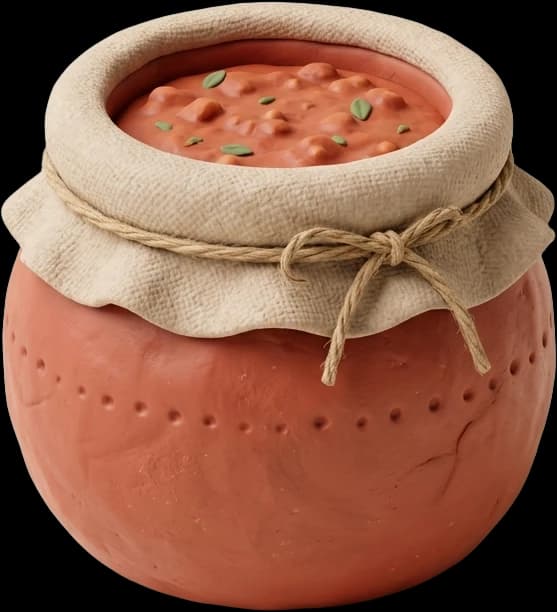
A pasta sauce with a label that fits your preference
Compare current ingredient lists and Added Sugars values rather than assuming every jar has the same formulation.
Soda or energy drink (caffeine plus sugar combination)
Unsweetened tea or water
Check a drink label for added sugars if that is your goal. Changing caffeine intake is a separate choice; a food label cannot predict symptoms.
Frequently askedquestions
Everything you need to know about scanning your food with Berry Pure.
What does the sugar withdrawal timeline look like day by day?
Day 1: Human evidence does not establish a typical first-day response. Days 2-5: A fixed symptom peak has not been demonstrated. Days 6-7: There is no evidence-based day when symptoms should ease. Study period: Across two weeks of monitoring, participants reported cravings, low energy, body aches and low mood; the study did not isolate a typical week for these symptoms. Weeks 3-4: That study did not follow participants this long, so it cannot establish a recovery deadline. Experiences vary; this is not a clinical timetable.
How long does sugar withdrawal last?
There is no established duration that applies to most people. A two-week study recorded varied self-reported experiences while adults tried to stop consuming free sugars, but it did not assess symptoms before the diet change or follow people longer. Persistent or concerning symptoms deserve individual clinical advice.
Is sugar withdrawal a real medical condition?
The phrase is often used for experiences reported after reducing sugar, but it does not define a single predictable medical course. A human two-week study recorded varied symptoms; an older review describes dependence-like behavior in rats. Animal findings cannot establish a human diagnosis or a day-by-day timetable.
Can hidden sugars in food extend the withdrawal period?
There is no evidence here that a small amount of added sugar prolongs a withdrawal period. For a practical food choice, check the package ingredient list and, on US Nutrition Facts labels, the Added Sugars grams and percent Daily Value per serving. A BerryPure scan can help review a readable ingredient list, but it is not a medical assessment.
What helps with sugar withdrawal headaches?
A food-label guide cannot determine the cause of a headache or recommend a treatment from sugar intake alone. If a headache is severe, persistent or concerning, seek advice from a qualified clinician.
Should I exercise during sugar withdrawal?
The cited sugar-reduction research does not establish that exercise treats cravings or identify days when activity should feel harder. Choose activity based on your own circumstances and seek clinical advice for concerning symptoms.
Does everyone experience sugar withdrawal?
No single intake threshold predicts symptoms for everyone. The FDA's 50-gram Daily Value for added sugars on a 2,000-calorie diet is a labelling reference, not a withdrawal cutoff.
Should I quit sugar cold turkey or taper off gradually?
The cited studies do not compare abruptly stopping with gradually reducing sugar, so they cannot show which approach has fewer symptoms or works faster. If your goal is to reduce added sugars, compare serving sizes and Added Sugars on current packages and choose a sustainable approach that suits you.


See what’s really
in your food
Scan your first label in seconds and start making cleaner choices across your whole kitchen.
Download on theApp Store
Free to download. Subscription required for Premium.
Berry Pure Premium is a monthly or annual subscription. Payment is charged to your Apple ID at confirmation of purchase and automatically renews unless cancelled at least 24 hours before the end of the current period. Manage or cancel anytime in your App Store account settings.
Explore morefood scans
Free toolUltra-Processed Food CheckerPaste any ingredient list, catch every NOVA-4 marker.Free toolAdded Sugar CheckerAll 56+ names for sugar, spotted instantly.Free toolE-Number DirectoryEvery additive code, decoded in plain English.is nutella ultra processednutella label scan + swapsis sourdough bread ultra processedsourdough label scan + ingredient checksugar detox week 160-day plan day-by-day guidewhat are seed oilsseed oils explained + what to scan forwhat is clean eatingclean eating guide + label scanning basicsanti inflammatory dietanti-inflammatory foods + additives to avoidhow to sugar detoxstep-by-step sugar detox with label scanningartificial sweeteners bad for youartificial sweetener risks + healthier swapsseed oils bad for youwhy seed oils are harmful + what to look for on labelsartificial sweeteners listcomplete list of artificial sweeteners to scan forclean eating meal planweekly clean eating plan + label scanning tipswhole foods diet planwhole foods diet plan + avoiding processed ingredientswhat is ultra processed foodUPF explained + how to identify it on labelslist of seed oilsevery seed oil to watch for on ingredient labelsclean eating foodsapproved clean eating foods + what to scanemulsifiers in foodcommon emulsifiers to detect + healthier alternativesimprove gut healthgut health through cleaner food choicesprotein powder without artificial sweetenersclean protein powder picks + label checknon seed oilshealthy cooking oils that aren't seed oilsultra processed food examplescommon UPF examples + healthier swapsultra processed food listcomprehensive ultra-processed food list to avoidseed oils to avoidseed oils on labels to avoid + safer alternativesprobiotics for gut healthprobiotic foods + avoiding gut-damaging additivesprocessed vs ultra processed foodkey differences + how to tell them apart on labelsnatural food additivesnatural vs artificial additives + what labels revealwhat is considered ultra processed foodUPF classification guide + label scanning tipsblood sugar detoxblood sugar reset through cleaner eatingfoods for gut healthgut-friendly foods + additives that harm gut healthcommon food additivesmost common food additives + what they dodrinks without artificial sweetenersclean drink options + what to scan forhow to start eating cleanbeginner clean eating guide + scanning basicsclean eating breakfastclean breakfast ideas + ingredients to avoidno sugar detoxzero sugar detox challenge + tracking progressred food dye banfood dye ban explained + scanning for dyeshow to quit sugarquit sugar guide + withdrawal tips + label scanningwhat are unprocessed foodsunprocessed foods explained + how to identify on labelsfoods that cause inflammationinflammatory foods to scan for + healthier swapswhat are preservatives in foodfood preservatives explained + what to scan forhow to break sugar addictionbreaking sugar addiction + clean eating transitionanti inflammatory breakfast ideasclean breakfast ideas + additives to avoidunprocessed foods listcomplete list of unprocessed whole foodssugar addiction symptomssigns of sugar addiction + what labels revealclean eating recipessimple clean eating recipes + ingredient scanningwhat is high fructose corn syrupHFCS explained + how to spot it on labelsbest diet for gut healthgut-healthy diet + avoiding processed ingredientsfoods with hidden sugarsneaky sugar sources + scanning label tricksis high fructose corn syrup bad for youHFCS health effects + label scanning tipshigh fructose corn syrup foodscommon foods with HFCS + healthier swapswhat happens when you quit sugarbody changes after quitting sugar + timelineinflammatory foods listlist of inflammatory foods + what to scan foranti inflammatory foods listanti-inflammatory food list + label scanning guideanti inflammatory breakfast foodsbreakfast foods that fight inflammationunprocessed foods dieteating only unprocessed foods + meal planningsugar vs high fructose corn syrupsugar vs HFCS comparison + what labels hidefoods that cause inflammation in jointsjoint inflammation triggers + food scanninganti inflammatory teaanti-inflammatory teas + UPF-free brand vettingbest anti inflammatory foodsranked anti-inflammatory foods with UPF awarenessanti inflammatory recipesanti-inflammatory recipes using whole-food swapsingredients to avoidultra-processed ingredients to avoid + label decodingprocessed food listcomprehensive list of processed and ultra-processed foodsanti inflammatory diet planstructured anti-inflammatory plan that excludes UPFswhat foods are not processedwhole and minimally-processed foods guidebest foods for inflammationcategorized foods that fight inflammationfoods that reduce inflammationscience-backed inflammation-reducing foodsanti inflammatory smoothieanti-inflammatory smoothie recipes without UPF additivesanti inflammatory saladanti-inflammatory salad ingredients + dressing swapsanti inflammatory drinksanti-inflammatory beverages + label red flagswhole foods meal plan7-day whole-foods meal plan with UPF swapsanti inflammatory dinneranti-inflammatory dinner ideas using whole foodsanti inflammatory lunchanti-inflammatory lunch swaps for processed lunch foodsis yogurt ultra processedyogurt label scan + brand-by-brand UPF analysisanti inflammatory snacksanti-inflammatory snack swaps for ultra-processed snacksprocessed meat healthprocessed meat health effects + cleaner protein swapsis cheerios ultra processedcheerios label scan + cleaner cereal swapsis peanut butter ultra processedpeanut butter spectrum (natural vs stabilized) + ingredient checkis oat milk ultra processedoat milk brand-by-brand UPF check + cleaner picksnova food classificationNOVA 1-4 groups explained + chart, hub for NOVA cluster (validated via GSC queries, not Trends)nova 4 foods listcomplete NOVA group 4 foods list by category (validated via GSC queries, not Trends)nova group 3 foodsNOVA group 3 processed foods list, vs group 4 (validated via GSC queries, not Trends)