


 Label check
Natural Food Additives: What They Are and What Labels Won't Tell You
The word "natural" on a label does not always mean what you think. Discover which natural food additives are truly clean and which ones blur the line.
Free to download on iPhone. Subscription required for Premium.
Not Every Natural Additive Is as Simple as It Sounds
Walk through any grocery aisle and you will see "natural flavors" listed on everything from sparkling water to granola bars. It is one of the most common ingredients in the American food supply, yet very few shoppers know what it actually means. Under FDA regulations, natural flavors can be derived from plant or animal sources, but the extraction process often involves solvents, preservatives, and carrier substances that never appear on the label.
Genuinely natural food additives do exist, and many have been used for centuries. Citric acid from lemons, pectin from fruit, annatto from seeds, these serve real purposes in preservation and texture without introducing synthetic chemistry. The challenge is distinguishing these from additives that wear a "natural" label while undergoing heavy industrial processing behind the scenes.
BerryPure helps you cut through the marketing. When you scan a product, the app flags each additive and tells you whether it is a straightforward, traditionally derived ingredient or one that has been industrially modified despite its natural-sounding name. No guesswork, no hours spent researching E-numbers.
 How it works
How BerryPure Decodes Additives on Any Product
 1
1Point your camera at the ingredient list
BerryPure reads the full ingredient panel and maps each additive to its database, which covers over 3,000 food additives including E-number equivalents and their common names.
 2
2See each additive categorized by origin and risk level
The app groups additives into categories, plant-derived, animal-derived, synthetic, and industrially modified. Each one receives a color-coded risk rating so you can quickly identify which are truly natural and which deserve a closer look.
 3
3Tap any additive for a plain-language explanation
No chemistry degree required. BerryPure explains what each additive does in the product, where it comes from, and whether there are any concerns raised in peer-reviewed research.

 Cleaner swaps
Swap Misleading "Natural" Products for Genuinely Clean Options
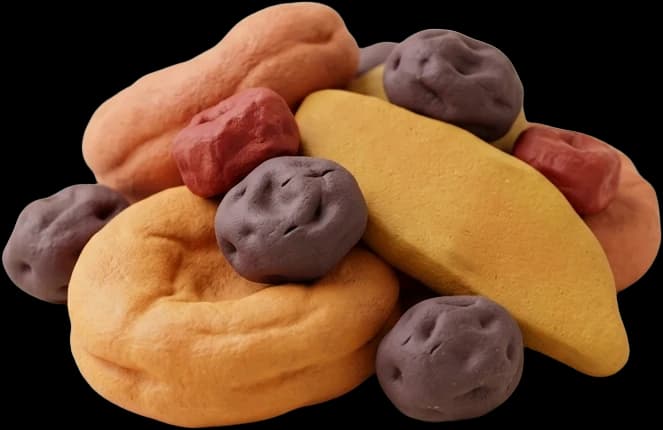
Granola bars with "natural flavors" and soy lecithin
Homemade trail mix with raw nuts, seeds, and dried fruit
Natural flavors in granola bars can contain dozens of hidden compounds. Trail mix made from whole ingredients gives you the same portable energy without any additives.
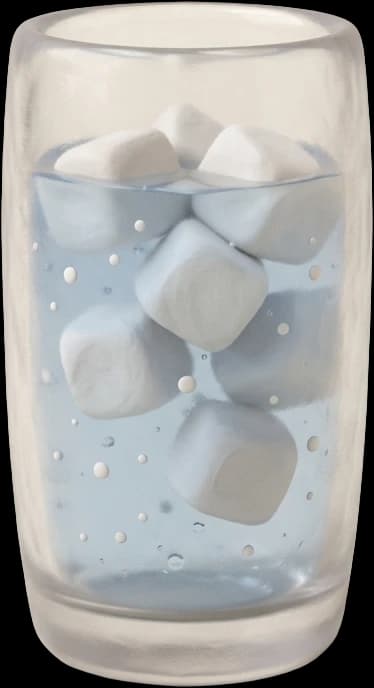
Sparkling water with natural flavors and potassium benzoate
Plain sparkling water infused with fresh citrus slices
Some flavored sparkling waters add preservatives alongside their natural flavors. Adding your own fruit to plain sparkling water keeps the fizz and flavor additive-free.
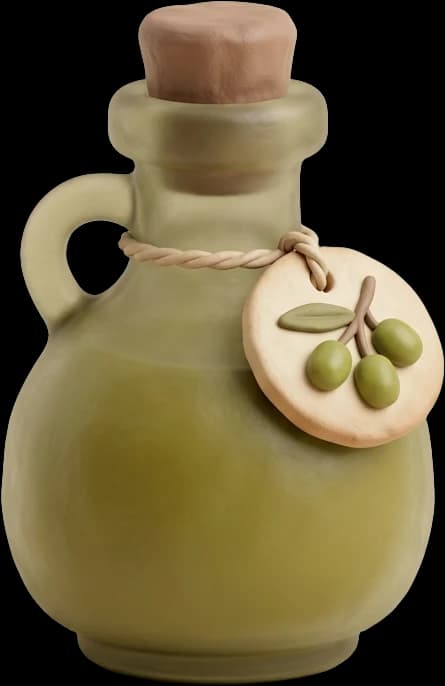
Salad dressing with natural flavors, xanthan gum, and caramel color
Olive oil, vinegar, mustard, and herbs whisked together
Many bottled dressings use natural flavors as a catch-all term while adding thickeners and colorants. A simple vinaigrette takes two minutes and contains only recognizable ingredients.

"All-natural" lunch meat with celery powder and cherry powder
Freshly sliced roasted chicken or turkey from a whole bird
Celery powder is used as a natural source of nitrates, functioning identically to synthetic sodium nitrite. Slicing your own roasted poultry avoids the issue entirely.
Natural fruit snacks with fruit juice concentrate and carnauba wax
Fresh fruit or unsweetened freeze-dried fruit
Fruit juice concentrate is essentially sugar stripped of fiber and nutrients. Fresh or freeze-dried fruit delivers the sweetness with intact vitamins and no wax coating.
Frequently askedquestions
Everything you need to know about scanning your food with Berry Pure.
What counts as a natural food additive?
A natural food additive is derived from plant, animal, or mineral sources rather than synthesized in a lab. Examples include pectin (from fruit), carrageenan (from seaweed), and beeswax. However, the level of processing these ingredients undergo varies enormously, so "natural" does not automatically mean unprocessed.
Are natural additives always safer than artificial ones?
Not necessarily. Some natural additives like carrageenan have faced scrutiny for potential gut health effects, while certain synthetic additives like ascorbic acid (vitamin C) are well-studied and considered safe. The origin of an additive matters less than how it behaves in the body and how heavily it has been processed.
What does 'natural flavors' actually mean on a label?
Under FDA rules, natural flavors must be derived from plant or animal matter, but the extraction and formulation process can involve dozens of chemical steps and carrier solvents. A single natural flavor formulation might contain over 100 individual compounds, yet only 'natural flavors' appears on the ingredient list.
How does BerryPure differentiate between truly natural and industrially modified additives?
BerryPure cross-references each additive against its database, which tracks not just the source material but the typical processing methods involved. Additives that start natural but undergo heavy industrial modification get flagged differently from those used in a straightforward, traditional form.
Should I avoid all products with additives?
That is not realistic or necessary. Many additives serve legitimate purposes like preventing spoilage or maintaining texture. The goal is to be informed about what you are eating. BerryPure helps you identify which additives are straightforward and which ones warrant choosing a cleaner alternative.
Is citric acid a natural additive?
Citric acid occurs naturally in citrus fruits, but the citric acid used in most food manufacturing is produced through industrial fermentation using Aspergillus niger mold. While it is generally recognized as safe by the FDA, it is worth knowing that the citric acid on a label is rarely squeezed from lemons.
See what’s really
in your food
Scan your first label in seconds and start making cleaner choices across your whole kitchen.
Free to download. Subscription required for Premium.
Berry Pure Premium is a monthly or annual subscription. Payment is charged to your Apple ID at confirmation of purchase and automatically renews unless cancelled at least 24 hours before the end of the current period. Manage or cancel anytime in your App Store account settings.