



 Label check
Clean Eating Breakfast Ideas That Taste Better Than the Boxed Stuff
Your morning meal sets the tone for the entire day. Here is how to build a breakfast free from ultra-processed fillers, without spending an hour in the kitchen.
Free to download on iPhone. Subscription required for Premium.
Why Breakfast Is the Easiest Meal to Clean Up
Breakfast is ground zero for ultra-processed ingredients, the food category a 2024 umbrella review links to higher risks of type 2 diabetes and heart disease. Think about the typical morning lineup: boxed cereal, flavored yogurt, frozen waffles, granola bars. These products lean heavily on refined sugars, artificial flavors, and preservatives to deliver convenience and a long shelf life. A single bowl of popular cereal can contain BHT, trisodium phosphate, and multiple forms of added sugar before you have even finished your coffee.
The good news is that a clean eating breakfast does not mean sacrificing speed or flavor. Some of the fastest morning meals, scrambled eggs, overnight oats, a banana with almond butter, are also the cleanest. The trick is knowing which store-bought shortcuts are genuinely simple and which are hiding a laundry list of additives behind health-sounding marketing.
Scanning your go-to breakfast products is the fastest way to see what you are actually eating each morning. You might be surprised to find that your "whole grain" toast has 20 ingredients, while the plain sourdough on the next shelf has just four.
 How it works
Build a Cleaner Breakfast Routine in 3 Steps
 1
1Scan Your Current Morning Lineup
Grab everything you typically reach for at breakfast, cereal, bread, spreads, juice, yogurt, and scan each ingredient label with BerryPure. Note which items have the lowest purity scores and what specific additives are flagged.
 2
2Identify the Worst Offenders
Focus on products with long ingredient lists and multiple flagged additives. Common breakfast culprits include flavored creamers (often loaded with dipotassium phosphate and carrageenan), granola bars (frequently containing palm oil and invert sugar), and instant oatmeal packets.
 3
3Swap One Item at a Time
Replace your lowest-scoring breakfast item this week. Next week, tackle the second lowest. Within a month, your entire morning routine will look dramatically different, and you will have built the habit gradually enough that it sticks.

 Cleaner swaps
Morning Swaps That Make a Real Difference
Sugary boxed cereal
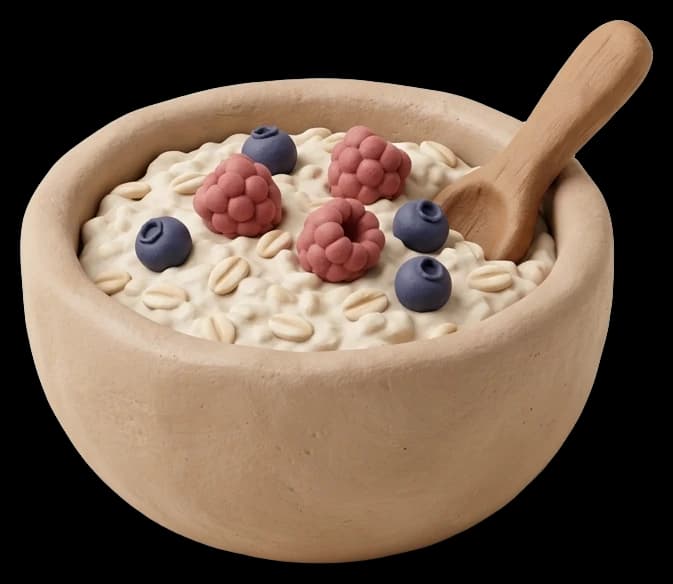
Steel-cut oats cooked with cinnamon and topped with walnuts
Most boxed cereals list sugar, corn syrup, or dextrose in the first three ingredients and include BHT as a preservative. Steel-cut oats have one ingredient.

Flavored coffee creamer
Whole milk or oat milk with a splash of real vanilla extract
Liquid creamers typically contain hydrogenated oils, corn syrup solids, and dipotassium phosphate, none of which belong in your morning cup.

Store-bought fruit smoothie
Homemade smoothie with frozen fruit, spinach, and plain yogurt
Bottled smoothies often use fruit juice concentrate (essentially sugar water) as the base and add natural flavors that are far from natural in origin.
Frozen breakfast sandwiches
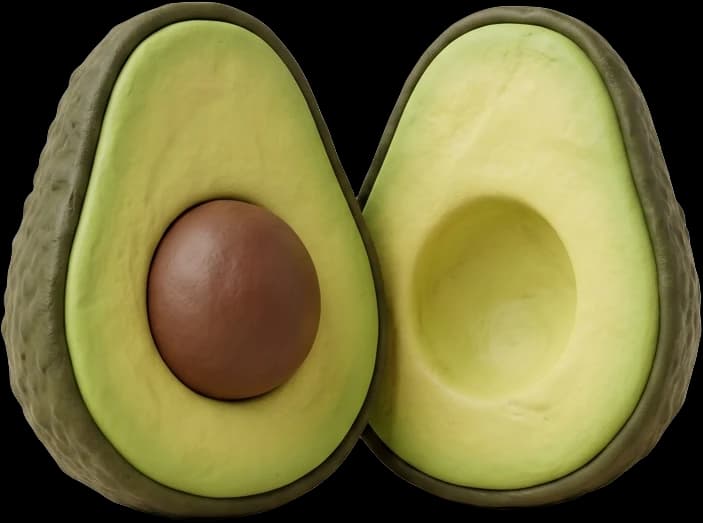
Eggs on whole grain toast with avocado
Frozen sandwiches rely on sodium phosphates, modified food starch, and artificial smoke flavoring to mimic freshly cooked taste and texture.

Packaged granola bars
Homemade trail mix with raw nuts, seeds, and dark chocolate chips
Even "healthy" granola bars frequently contain rice syrup, soy lecithin, and palm kernel oil alongside surprisingly high sugar counts.
Frequently askedquestions
Everything you need to know about scanning your food with Berry Pure.
What makes a breakfast ultra-processed versus just processed?
Regular processing includes things like pasteurizing milk or grinding wheat into flour. Ultra-processing goes further by adding industrial ingredients you would never use at home, emulsifiers, flavor enhancers, hydrogenated fats, and artificial sweeteners. If the ingredient list includes items you cannot buy in a grocery store as standalone products, the food is likely ultra-processed.
Are all store-bought breakfast items bad?
Not at all. Plain oats, eggs, whole grain bread with short ingredient lists, plain yogurt, and nut butters with just nuts and salt are all store-bought and perfectly clean. The key is checking the label, the number of ingredients and the type of ingredients matter more than where you bought it.
I only have 5 minutes in the morning. What should I eat?
Overnight oats prepared the night before, a banana with peanut butter, hard-boiled eggs made in a weekend batch, or plain Greek yogurt with berries all take under two minutes to assemble. Speed and clean eating are not mutually exclusive.
Is orange juice a clean breakfast drink?
Freshly squeezed orange juice is minimally processed, but most carton juices are made from concentrate, pasteurized at high temperatures, and have flavor packs added back to restore taste lost during processing. Eating a whole orange is almost always the better option since you also get the fiber.
How do I get my kids to eat a cleaner breakfast?
Start with what they already like and find cleaner versions. If they love cereal, try one with five or fewer recognizable ingredients. If they want pancakes, use a simple recipe of flour, eggs, milk, and baking powder instead of a boxed mix. Kids adapt faster than adults when changes are gradual.


See what’s really
in your food
Scan your first label in seconds and start making cleaner choices across your whole kitchen.
Free to download. Subscription required for Premium.
Berry Pure Premium is a monthly or annual subscription. Payment is charged to your Apple ID at confirmation of purchase and automatically renews unless cancelled at least 24 hours before the end of the current period. Manage or cancel anytime in your App Store account settings.