


 Label check
No Sugar Detox: Cut the Hidden Sweeteners You Did Not Know You Were Eating
Added sugar hides in 74% of packaged foods under dozens of different names. Here is how to find it all and take back control of your daily intake.
Free to download on iPhone. Subscription required for Premium.
The Problem Is Not the Sugar You Add, It Is the Sugar Already There
When most people hear "no sugar detox," they picture cutting out desserts and sweetened drinks. That part is straightforward. The real challenge is the sugar hiding in foods that do not taste sweet at all, pasta sauce, salad dressing, deli meat, bread, and even some brands of chicken broth. The food industry uses over 60 different names for added sugar, from dextrose and maltose to evaporated cane juice and barley malt extract.
This is why willpower alone rarely works for a sugar detox. You can skip the candy aisle entirely and still consume 40-50 grams of added sugar per day from sources you never suspected, close to the entire daily limit the WHO sets for free sugars and well above the American Heart Association's recommended ceiling of 6 teaspoons for women and 9 for men. A single tablespoon of store-bought ketchup contains about 4 grams of sugar. Your "healthy" granola can pack 12 grams per serving. That so-called whole wheat bread might list high fructose corn syrup as its third ingredient.
A successful no sugar detox needs a detection strategy, not just determination. Scanning every product you buy for the first week reveals exactly where your hidden sugar intake is coming from, and that data makes every decision afterward dramatically easier.
 How it works
How to Run a No Sugar Detox That Actually Works
 1
1Establish Your Sugar Baseline
Spend day one scanning everything you normally eat. BerryPure flags all forms of added sugar, not just the obvious ones. Most people discover 8-12 hidden sugar sources they were completely unaware of.
 2
2Eliminate the Biggest Offenders First
Sort your scanned items by sugar content. Replacing the top three sources will often cut your added sugar intake by 50% or more without changing your entire diet overnight.
 3
3Learn Sugar's Alternate Names
BerryPure highlights ingredients like dextrose, maltodextrin, rice syrup, fruit juice concentrate, and agave nectar, all forms of added sugar that labels use to appear cleaner than they are. Knowing these names builds lasting awareness.
- 4
Monitor Your Weekly Progress
Use the app to track how your overall purity scores improve as you replace high-sugar items. Seeing your progress quantified keeps motivation high through the tougher second and third weeks.

 Cleaner swaps
Sugar Swaps That Do Not Leave You Missing Sweetness

Flavored yogurt (15-20g sugar per cup)
Plain whole-milk yogurt with fresh raspberries
Flavored yogurts use a combination of cane sugar and fruit juice concentrate. Whole berries provide natural sweetness along with fiber that slows sugar absorption.

Bottled pasta sauce
Crushed San Marzano tomatoes with garlic, basil, and olive oil
Many popular pasta sauces contain 8-12 grams of added sugar per half-cup serving to balance acidity, often listed as corn syrup or dextrose.

Store-bought barbecue sauce
Mustard-based or vinegar-based marinade
Barbecue sauces are among the highest-sugar condiments, with some brands listing high fructose corn syrup as the very first ingredient.
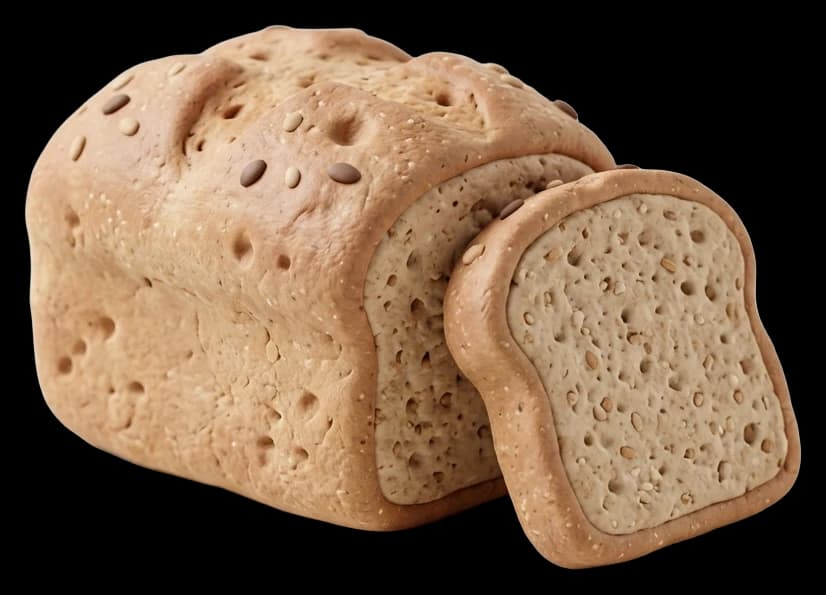
Commercial bread with added sugars
Bakery bread made with flour, water, salt, and yeast only
Mass-produced bread uses sugar and high fructose corn syrup to speed fermentation and extend shelf life. Traditional bread does not need either.

Sports drinks and vitamin water
Water with a squeeze of lemon or lime and a pinch of sea salt
A single 20-ounce sports drink can contain 34 grams of sugar, nearly the entire daily recommended limit, plus artificial colors.
Frequently askedquestions
Everything you need to know about scanning your food with Berry Pure.
How long should a no sugar detox last?
Most nutritionists recommend at least 21 to 30 days to reset your palate and break the habit cycle. The first 5-7 days are usually the hardest as your body adjusts. After two weeks, many people report that previously appealing sweet foods taste overpoweringly sugary.
Should I also cut out fruit during a sugar detox?
Whole fruit is generally fine to keep. The fiber in whole fruit slows down sugar absorption significantly compared to fruit juice or dried fruit. Most sugar detox programs distinguish between intrinsic sugars bound in whole foods and free or added sugars extracted and concentrated in processed products.
What are the most common hidden sugar names on labels?
Beyond the obvious ones like sugar and corn syrup, watch for dextrose, maltose, sucrose, barley malt, rice syrup, agave nectar, evaporated cane juice, fruit juice concentrate, turbinado, and coconut sugar. BerryPure flags all of these automatically during a scan.
Will I experience withdrawal symptoms?
Some people experience headaches, irritability, or fatigue during the first few days, especially if their baseline sugar intake was high. These symptoms typically resolve within 3-5 days. Staying hydrated and eating enough protein and healthy fats helps significantly.
Are artificial sweeteners okay during a no sugar detox?
That depends on your goals. If the aim is to reset your taste preferences, artificial sweeteners can maintain your craving for sweetness and work against you. If the goal is purely reducing sugar intake, sugar-free alternatives are technically compliant, though many contain ultra-processed additives of their own.
How do I handle sugar cravings during the detox?
Protein-rich snacks like nuts, cheese, or hard-boiled eggs help stabilize blood sugar and reduce cravings. Bitter flavors like dark chocolate (85% or higher) or herbal tea can also help. The cravings typically peak around days 3-5 and then diminish noticeably.


See what’s really
in your food
Scan your first label in seconds and start making cleaner choices across your whole kitchen.
Free to download. Subscription required for Premium.
Berry Pure Premium is a monthly or annual subscription. Payment is charged to your Apple ID at confirmation of purchase and automatically renews unless cancelled at least 24 hours before the end of the current period. Manage or cancel anytime in your App Store account settings.