



 Label check
What Are Unprocessed Foods? NOVA Group 1, Defined
The formal definition, the surprising foods that qualify, the gray zones that trip people up, and how to verify any product.
Free to download on iPhone. Subscription required for Premium.
The Definition, and Why It Is Broader Than You Think
Unprocessed foods are the edible parts of plants, animals, and fungi taken from nature and eaten without alteration: a peach off the tree, an egg from the carton, a fillet of fresh cod, a handful of blueberries. In the NOVA framework that nutrition science now uses as its standard vocabulary, these sit in Group 1, and the group has a second, equally important half: minimally processed foods, which have been changed only in ways that remove nothing essential and add nothing at all.
That second half is what makes the definition genuinely useful for shopping rather than just philosophically tidy. Drying, crushing, grinding, roasting, boiling, pasteurizing, refrigerating, freezing, vacuum-packing, and non-alcoholic fermentation all keep a food inside Group 1, methods that do not substantially change the nutritional content of the food, provided no salt, sugar, oil, or other substance is introduced. The purpose of these operations is preservation and convenience, extending life and making food storable, safe, or easier to prepare, without changing what the food fundamentally is.
The roster of qualifying foods is therefore much longer than raw produce. Rolled oats, dried lentils and chickpeas, brown and white rice, plain frozen spinach, unsweetened frozen mango, raw and unsalted roasted nuts, 100% peanut butter ground from nuts alone, plain milk and plain yogurt with live cultures, dried herbs, ground spices, plain coffee and tea, and dried pasta made from durum wheat and water. None of these would strike most shoppers as unprocessed, yet all belong to Group 1 because the transformation involved no added substances.
The boundary becomes visible when you look at what sits just outside it. Add salt to nuts and they move to Group 3. Add sugar to frozen fruit, same move. Milk becomes cheese through salting and aging: Group 3. White flour is an interesting edge: milling wheat keeps flour in Group 1, but flour functions mostly as an ingredient for further processing. And the moment a formulation includes substances with no domestic equivalent, an emulsifier, an isolate, a synthetic dye, it jumps categories entirely, a distinction unpacked in our NOVA classification guide.
A few classic gray-zone questions have clean answers under this definition. Is pasteurized milk unprocessed? Yes, minimally processed; heat treatment adds nothing. Are frozen vegetables as good as fresh? Nutritionally they are often just as good and sometimes better, since flash-freezing hours after harvest outpaces fresh produce that spent a week in transit. Is white rice disqualified for being milled? No; milling removes bran but introduces nothing, so it stays Group 1, though the whole-grain version retains more fiber. Is orange juice unprocessed? Freshly squeezed juice qualifies; reconstituted juice from concentrate does not.
Why does any of this matter beyond taxonomy? Because Group 1 foods share a structural property that no nutrient label captures: their food matrix is intact. Fiber, water, protein, and micronutrients arrive packaged together the way digestion evolved to handle them, which is a large part of why diets anchored in Group 1 consistently correlate with better satiety and metabolic health, an effect demonstrated directly in a controlled NIH feeding trial. For a ready-made shopping version of this category, see the unprocessed foods list, and for the roundup of foods that escape processing altogether, what foods are not processed covers the strictest tier. When packaging makes the call ambiguous, a BerryPure scan settles it: if anything was added, the label knows, and now so do you.
 How it works
How to Confirm a Food Is Truly Group 1
 1
1Apply the nothing-added test
Read the ingredient line. A Group 1 food lists exactly one thing, itself: oats, green peas, almonds. Any second ingredient beyond water means the food has left the unprocessed category.
 2
2Scan the ambiguous packages
Frozen fruit blends, nut butters, and dried goods are where additions sneak in: sugar in the mango, palm oil in the peanut butter, sulfites in the apricots. BerryPure reads the label and flags anything beyond the food itself.
 3
3Let the classification build your instincts
Every scan shows the NOVA group and the reason for it. After a few shopping trips you will predict classifications before scanning, which is the point: the app trains the skill, then verifies it.

 Cleaner swaps
Back to Group 1: Trade the Additions Away
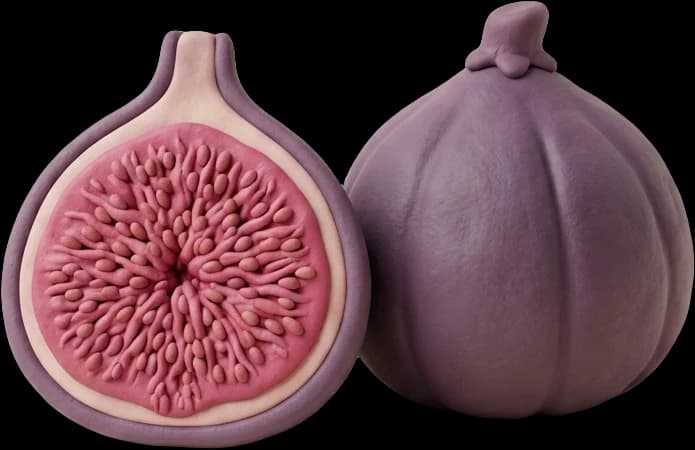
Sweetened dried cranberries (cranberries, sugar, sunflower oil)
Raisins or dried figs with a single-ingredient label
Cranberries are too tart to dry without sweetening, so nearly all are sugar-infused. Raisins and figs dry sweet on their own and remain genuinely minimally processed.

Peanut butter with hydrogenated vegetable oil and sugar
100% peanut butter, ingredient line: peanuts
Grinding nuts into paste is minimal processing; the hydrogenated oil exists only to stop natural separation. A quick stir of the pure version achieves the same result.

Frozen berry medley in syrup
Plain unsweetened frozen berries
Both bags sit in the same freezer case. One is Group 1 fruit picked at peak ripeness; the other carries several teaspoons of added sugar per serving.
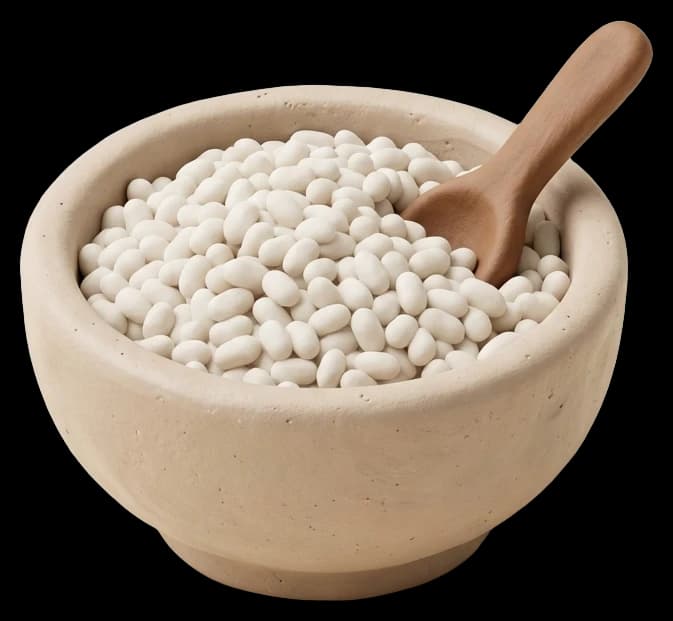
Seasoned microwave rice pouches with oil and flavoring
Plain rice cooked in batches and frozen in portions
Home-frozen rice microwaves in the same three minutes as a pouch. You keep the convenience and drop the added oils and flavor systems entirely.
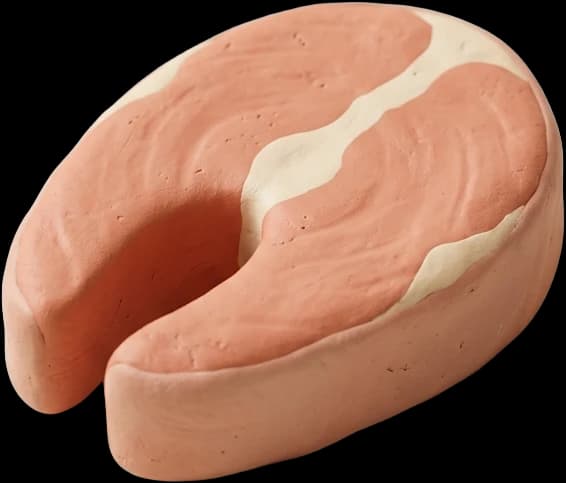
Vanilla almond milk with cane sugar and gellan gum
Plain milk, or an almond milk whose label reads almonds, water, salt
Most commercial plant milks are dilute emulsions stabilized with gums. Milk is a single-ingredient Group 1 food, and a few almond brands come close.
Fruit snacks made with juice concentrate and pectin
An actual piece of fruit, or unsweetened freeze-dried fruit
Made with real fruit on the pouch usually means concentrate, a refined sugar source. Freeze-dried strawberries are one ingredient with the crunch kids want.
Frequently askedquestions
Everything you need to know about scanning your food with Berry Pure.
What are unprocessed foods in simple terms?
Foods eaten essentially as they come from nature: fruits, vegetables, eggs, fresh meat and fish, and foods altered only by safe-keeping steps like freezing, drying, grinding, or pasteurizing with nothing added. In the NOVA system they make up Group 1, which also carries the label minimally processed.
What are 10 examples of unprocessed foods?
Apples, spinach, eggs, fresh salmon, dried black beans, rolled oats, brown rice, plain frozen peas, raw walnuts, and plain milk. Note that several come dried, frozen, or packaged; what qualifies them is that nothing was added, not that they avoided all handling.
Does cooking make a food processed?
Not in the classification sense. NOVA categories describe how food arrives to you, so a roasted chicken you cook at home is a prepared Group 1 food. Home cooking with basic ingredients is exactly the pattern the framework treats as the healthy baseline.
Is plain yogurt really unprocessed?
Plain yogurt made from milk and live cultures counts as minimally processed under NOVA because fermentation adds no external substances. Once sugar, thickeners, flavorings, or fruit preparations enter the recipe, it moves into processed or ultra-processed territory depending on the additives.
Are eggs, milk, and meat unprocessed even though they are packaged?
Yes. Packaging, refrigeration, and vacuum-sealing are preservation methods, not processing in the nutritional sense. A carton, bottle, or shrink wrap changes nothing about the food inside; the classification turns entirely on whether substances were added to it.
Should everything I eat be unprocessed?
No, and NOVA does not ask that. Culinary ingredients like olive oil and salt, plus simple processed foods like cheese and canned beans, belong in a healthy pattern. The practical goal is making Group 1 foods the base of most meals, not achieving a purity score of 100%.

See what’s really
in your food
Scan your first label in seconds and start making cleaner choices across your whole kitchen.
Free to download. Subscription required for Premium.
Berry Pure Premium is a monthly or annual subscription. Payment is charged to your Apple ID at confirmation of purchase and automatically renews unless cancelled at least 24 hours before the end of the current period. Manage or cancel anytime in your App Store account settings.