



 Label check
The Best Foods for Inflammation, Sorted by Type
Joint inflammation, gut inflammation, and skin inflammation respond to different foods. Here's what to eat for each, and what to scan to avoid making it worse.
Free to download on iPhone. Subscription required for Premium.
Different Inflammations, Different Foods
Most articles treat inflammation as a single thing. It isn't. Joint inflammation in someone with osteoarthritis has different drivers than the gut inflammation that comes from a flare of IBS or IBD. Skin inflammation in eczema or rosacea responds to different inputs than systemic cardiovascular inflammation measured by CRP. The umbrella idea, chronic low-grade inflammation is bad, is real, but the foods that help most depend on where the inflammation is showing up.
This page sorts the best foods into four practical categories: joint, gut, skin, and cardiovascular or systemic. There is overlap. Omega-3s help in all four, fermented foods support the gut but also affect skin, and polyphenols touch every system. But knowing which subset to prioritize for your specific situation makes the grocery list more useful than a generic top-10.
The other half of the equation is removing what's driving inflammation in the first place. That's where BerryPure earns its keep, scanning packaged foods to flag the refined seed oils, added sugars, emulsifiers, and processed meats that consistently show up in research as inflammation-driving. Adding spinach won't help much if your diet is still 60% ultra-processed. The cleanest results come from a full anti-inflammatory diet approach, doing both at once: add the right foods, subtract the wrong ones.
 How it works
How BerryPure Helps You Avoid Inflammation Drivers
 1
1Scan to Spot Refined Seed Oils
Soybean, corn, cottonseed, and high-omega-6 sunflower oils are the most common inflammatory ingredients hiding in salad dressings, crackers, sauces, and roasted nuts. BerryPure highlights them on the label and shows the NOVA classification so you know when a packaged food has crossed into ultra-processed territory.
 2
2Flag Hidden Added Sugars
Added sugar drives systemic inflammation when consumed in excess, and it's in things you wouldn't expect, flavored yogurt, marinara sauce, granola, plant milks, even some bread. The app surfaces all the sneaky names (cane syrup, evaporated juice, dextrose, brown rice syrup) so they don't slide past you.
 3
3Identify Emulsifiers Linked to Gut Inflammation
Emerging research suggests certain emulsifiers, carboxymethylcellulose, polysorbate-80, may disrupt the gut barrier and feed low-grade inflammation in some people. BerryPure flags these on packaged foods so you can choose versions that skip them entirely.

 Cleaner swaps
Inflammation-Driving Patterns and the Anti-Inflammatory Replacements

Joint inflammation: vegetable oil salad dressing on a daily salad
Extra virgin olive oil and lemon with a pinch of salt
EVOO's oleocanthal acts on the same COX pathway targeted by NSAIDs. Refined seed oils used in commercial dressings push the omega-6 to omega-3 ratio in the wrong direction for joint pain.

Gut inflammation: fruit-on-the-bottom yogurt with stabilizers and added sugar
Plain whole-milk Greek yogurt or kefir topped with fresh berries
The original combines emulsifiers, added sugar, and minimal live cultures. The swap delivers high-count probiotics, fiber from real berries, and no inflammatory additives, a much better signal for gut barrier health.
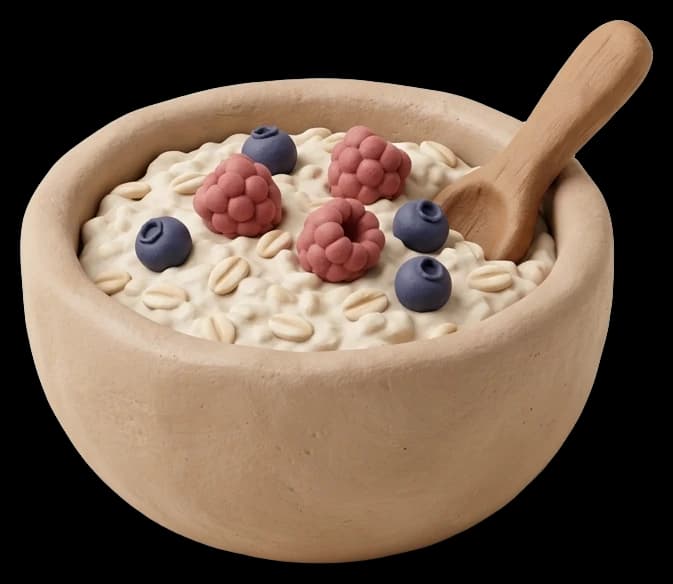
Skin inflammation: refined-grain breakfast pastry with seed-oil filling
Berry-walnut overnight oats with a sprinkle of chia
Diets high in refined grains and seed oils correlate with worse acne and rosacea outcomes. Berries supply vitamin C for collagen and skin repair, walnuts and chia provide omega-3s, and oats deliver beta-glucan fiber.
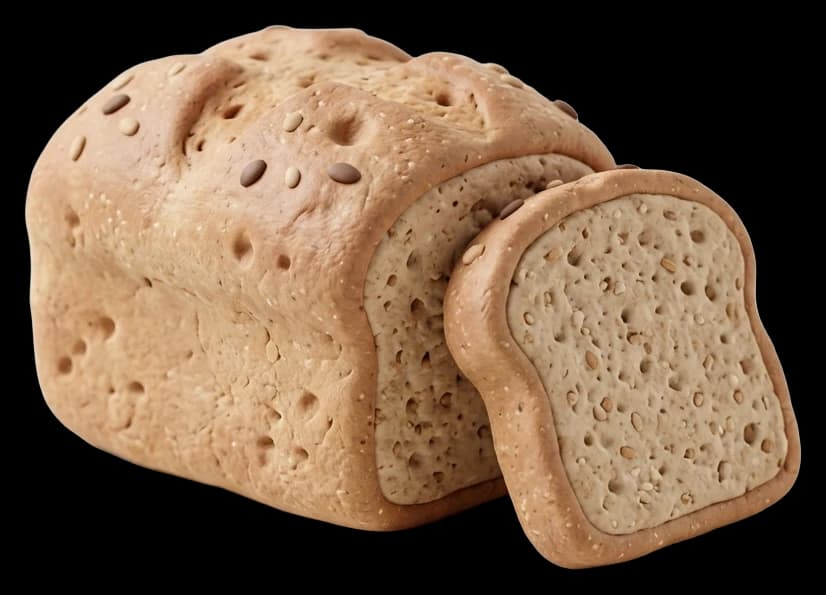
Cardiovascular inflammation: processed deli turkey on white bread for lunch
Tinned sardines on whole grain sourdough with avocado and tomato
Processed meats are consistently linked to elevated inflammatory markers in human cohorts. Sardines deliver EPA and DHA, avocado adds monounsaturated fat and potassium, and tomato contributes lycopene, a clean systemic anti-inflammatory swap.
Frequently askedquestions
Everything you need to know about scanning your food with Berry Pure.
What are the best foods for joint inflammation?
For joints, prioritize fatty fish (salmon, sardines, mackerel) for EPA and DHA omega-3s, tart cherries for anthocyanins which have specific research in osteoarthritis, turmeric or curcumin (with black pepper for absorption), ginger for its gingerol compounds, and EVOO for oleocanthal. Several small trials show measurable reductions in joint pain markers when these foods are eaten consistently.
What are the best foods for gut inflammation?
For the gut, focus on fermented foods like kimchi, sauerkraut, kefir, and live-culture yogurt for probiotics, prebiotic fiber from oats, legumes, leeks, garlic, and onions, bone broth for glycine and gelatin, ginger for soothing the GI tract, and a wide variety of plant foods. Diversity matters in the gut more than any single hero food, aim for thirty different plant species per week.
What are the best foods for skin inflammation?
Skin responds to omega-3s (fatty fish, walnuts, chia), vitamin C foods (berries, citrus, peppers, broccoli) for collagen synthesis, green tea for EGCG which has both anti-inflammatory and photoprotective effects, zinc-rich foods like pumpkin seeds and oysters, and reduced refined sugar, high glycemic diets are consistently linked to worse acne. Hydration matters too.
What are the best foods for cardiovascular inflammation?
For systemic and cardiovascular inflammation, the Mediterranean pattern wins almost every trial: fatty fish twice a week, EVOO as the main cooking fat, berries and leafy greens daily, nuts as snacks, legumes regularly, and minimal red and processed meats. CRP, IL-6, and TNF-alpha all tend to drop on this pattern within months.
Are there foods that make inflammation worse across all categories?
Yes. Refined seed oils high in omega-6, added sugars and sugar-sweetened beverages, processed meats containing nitrates, refined grains, and ultra-processed snack foods consistently push inflammatory markers up regardless of which body system you're focused on. Subtracting these often produces faster results than adding superfoods on top of a UPF-heavy baseline.
How long until I notice less inflammation from changing my diet?
Some people report less joint stiffness or better digestion within a couple of weeks. Measurable changes in blood markers like CRP usually take six to twelve weeks of consistent eating. Skin improvements often take a full skin-cycle of about a month before they're visible. Patience and consistency matter more than intensity, small permanent changes beat short heroic overhauls.



See what’s really
in your food
Scan your first label in seconds and start making cleaner choices across your whole kitchen.
Free to download. Subscription required for Premium.
Berry Pure Premium is a monthly or annual subscription. Payment is charged to your Apple ID at confirmation of purchase and automatically renews unless cancelled at least 24 hours before the end of the current period. Manage or cancel anytime in your App Store account settings.