


 Label check
Anti-Inflammatory Drinks: A Full Guide to What Works (and What's Hiding UPFs)
From tart cherry juice to golden milk, the right beverages can help calm chronic inflammation. The wrong ones, sodas, sports drinks, sweetened iced teas, quietly fuel it. Here's the full landscape.
Free to download on iPhone. Subscription required for Premium.
Why Drinks Are the Highest-Leverage Anti-Inflammatory Swap
If you look at how the average American consumes ultra-processed foods, beverages are at the very top of the list. Sodas, energy drinks, sweetened coffee creamers, bottled iced teas, sports drinks, and "vitamin water" account for an enormous share of daily UPF calories, and almost none of that volume is something you would associate with the word "food." That makes drinks the single highest-leverage place to start if you want to shift toward an anti-inflammatory diet.
The science behind anti-inflammatory beverages is fairly settled: polyphenols in tea, anthocyanins in tart cherry juice, curcumin in turmeric, dietary nitrates in beet juice, and the simple absence of inflammatory triggers like high-fructose corn syrup all show measurable effects on inflammatory markers like CRP. The catch is that the bottled versions of these drinks are often quietly ultra-processed. A "green tea" off the shelf might contain HFCS, citric acid, and "natural flavors." A "smoothie" might be 90% apple juice concentrate. The bottle says one thing; the ingredient list says another.
This guide walks through the main categories of anti-inflammatory drinks, the specific UPF traps to watch for in each, and the simplest swaps to make. We have separate deep dives for anti-inflammatory tea and anti-inflammatory smoothies: those formats deserve their own attention. For everything else, including coffee, juice, kombucha, and water, read on.
 How it works
How to Scan a Bottled Drink in 10 Seconds
 1
1Look for HFCS and Hidden Sugars First
Point BerryPure at the label and the app flags high-fructose corn syrup, cane sugar, fruit juice concentrate, and the dozens of other hidden sugar names that show up in beverages. A drink with sugar in the top three ingredients is almost always a UPF carrier.
 2
2Check for Artificial Colors and 'Natural Flavors'
Sports drinks and "vitamin" waters frequently contain Red 40, Yellow 5, Yellow 6, and Blue 1: synthetic dyes with no nutritional purpose. The vague phrase "natural flavor" almost always indicates an industrially produced flavor extract. BerryPure highlights these the moment they appear.
 3
3Watch for Citric Acid + Preservative Combos
Citric acid alone is benign, but when it shows up alongside potassium sorbate, sodium benzoate, polyethylene glycol (in some sports drinks), or phosphoric acid, you are looking at a heavily formulated beverage rather than a real drink. Aim for products with five or fewer recognizable ingredients.

 Cleaner swaps
Swap Inflammatory Drinks for Anti-Inflammatory Ones
Coca-Cola or other sodas (carbonated water, HFCS, caramel color, phosphoric acid, natural flavors, caffeine)
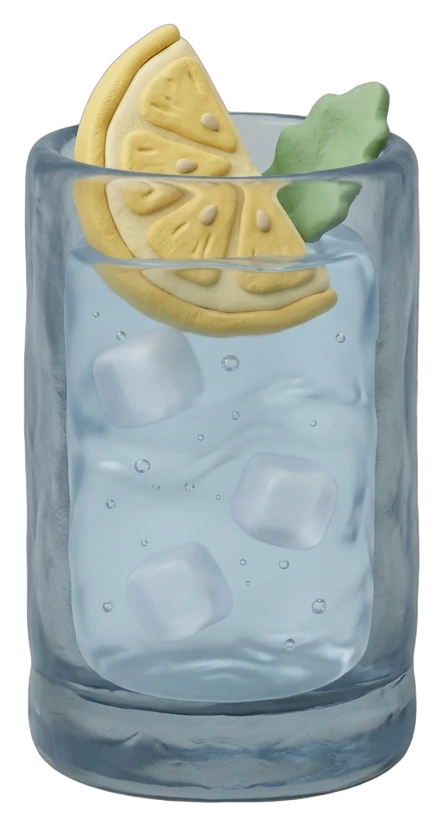
Sparkling water with a squeeze of fresh lemon or lime
Sodas deliver around 39 grams of HFCS per 12 oz can, already over the daily added sugar recommendation. Sparkling water with citrus gives you the carbonation and brightness with zero sugar and a small dose of vitamin C.
Gatorade or other sports drinks (water, sugar, dextrose, citric acid, salt, Red 40 or other dyes, modified food starch)
Coconut water with a pinch of sea salt
For most workouts under 90 minutes, you do not need a sports drink at all. When you do need electrolytes, coconut water provides natural potassium and magnesium without artificial dyes, and a small pinch of sea salt covers the sodium.
Coffee with flavored creamer (sugar, partially hydrogenated oil, sodium caseinate, mono- and diglycerides, natural flavors)
Black coffee with a dash of cinnamon and a splash of unsweetened almond or oat milk
Black coffee is genuinely anti-inflammatory thanks to chlorogenic acids and polyphenols. Most flavored creamers cancel that out with HFCS, hydrogenated oils, and emulsifiers. Cinnamon adds warmth and its own anti-inflammatory compounds.
Bottled sweetened iced tea (Snapple, Pure Leaf flavored, Lipton bottled: water, HFCS or sugar, citric acid, natural flavors, caramel color)
Cold-brewed unsweetened green tea with lemon
Green tea is one of the most-studied anti-inflammatory beverages thanks to EGCG. Cold-brewing single-ingredient green tea bags overnight in a pitcher takes 30 seconds of effort and gives you all the polyphenols with none of the bottled-tea sugar load.
Frequently askedquestions
Everything you need to know about scanning your food with Berry Pure.
What's the most powerful anti-inflammatory drink?
There's no single winner, but tart cherry juice consistently performs well in clinical research for reducing markers like CRP and easing exercise-related inflammation, thanks to its dense anthocyanin content. Green tea is the most-studied beverage overall. Beet juice is excellent for vascular inflammation. The honest answer is that consistency across several anti-inflammatory drinks beats hunting for one magic option.
Is coffee anti-inflammatory or pro-inflammatory?
Black coffee is anti-inflammatory for most people. Coffee beans contain chlorogenic acids, polyphenols, and other bioactive compounds that have been linked in observational studies to lower inflammation and lower risk of type 2 diabetes. The problem is what people add: flavored syrups, sweetened creamers, and sugar can flip a healthy beverage into a UPF carrier. Drink it black, with whole milk, or with a splash of unsweetened plant milk.
Is kombucha actually anti-inflammatory?
Kombucha can be: fermented teas contain probiotics and polyphenols from the tea base. The catch is that many commercial kombuchas are surprisingly high in added sugar to balance the vinegar tartness, and some flavored versions contain "natural flavors" and fruit juice concentrates that push them toward UPF territory. Look for kombuchas with under 5 grams of sugar per serving and minimal added flavorings.
What about 'vitamin water' and electrolyte drinks?
Most are heavily ultra-processed. Vitamin Water typically lists crystalline fructose or cane sugar near the top, plus citric acid, natural flavors, and synthetic vitamins. Many electrolyte powders contain artificial sweeteners like sucralose and ace-K (see our guide to artificial sweeteners). If you want electrolytes, plain coconut water plus a pinch of salt is cleaner and cheaper.
Is fruit juice anti-inflammatory?
It depends on the juice and the dose. Tart cherry, pomegranate, and concord grape juices have the strongest research for anti-inflammatory effects because of their dense polyphenol content. But fruit juice in general is calorie-dense and sugar-dense compared to whole fruit: even 100% juice can spike blood sugar quickly. Treat anti-inflammatory juices as a small functional dose (4–8 oz), not a beverage to drink by the glassful.
What drinks should I cut first to lower inflammation?
Start with the obvious ones: sodas (HFCS), energy drinks (sugar plus high caffeine plus artificial colors), sweetened iced teas, sports drinks during non-workout times, and flavored coffee creamers. These five categories drive a huge share of UPF intake for the average American adult. Replacing them with water, sparkling water, unsweetened tea, or black coffee will lower your inflammatory load more than any superfood addition.

See what’s really
in your food
Scan your first label in seconds and start making cleaner choices across your whole kitchen.
Free to download. Subscription required for Premium.
Berry Pure Premium is a monthly or annual subscription. Payment is charged to your Apple ID at confirmation of purchase and automatically renews unless cancelled at least 24 hours before the end of the current period. Manage or cancel anytime in your App Store account settings.