



 Label check
Unprocessed Foods List
Start with plain fruit and vegetables, beans, grains, nuts, eggs, milk, and fresh meat or fish. Frozen, dried and pasteurized versions can count too. Check additions on the pack.
Free to download on iPhone. Subscription required for Premium.
A useful Group 1 grocery list
NOVA Group 1 includes unprocessed and minimally processed foods. Washing, cutting, drying, milling, freezing and pasteurizing can leave a food in this group when nothing is added. The FAO definition includes fresh and frozen produce, pulses, meat, eggs, grains, milk and plain yogurt. This is a shopping reference, not every food that exists. For the classification itself, see what unprocessed foods means and our NOVA explainer.
Produce: apples, berries, citrus, bananas, leafy greens, carrots, broccoli, tomatoes, potatoes and other plain fruit and vegetables. Fresh is not the only option: plain frozen vegetables or berries and dried fruit with no added sugar are useful Group 1 forms. Check a package for syrup, sauce or other additions.
Beans and grains: dried lentils, chickpeas and beans; plain oats, brown or white rice, barley, quinoa and whole-grain flour. Milling a grain does not by itself remove it from Group 1. A packet of oats with sugar or flavours is a different product. Beans canned with salt also cross a NOVA boundary, though that does not make them forbidden food.
Nuts, seeds and proteins: plain peanuts, almonds, walnuts, pumpkin or sunflower seeds; eggs; fresh or plain frozen fish, poultry and meat. Check seasoned, breaded, smoked or cured versions separately. Plain milk and plain yogurt made from milk and cultures also belong on this list; look at the actual yogurt ingredients rather than its front label.
The boundary worth remembering: oils, butter, sugar and salt are NOVA Group 2 culinary ingredients, even when each has one ingredient. Bread made from flour, water, yeast and salt is usually Group 3. The Brazilian Ministry of Health guide also places foods preserved with added salt or sugar in Group 3. So a short ingredient list is a clue, not a Group 1 guarantee. Use this list to find the plain version, not to judge whether a food is healthy from its group alone.
 How it works
Four checks at the shelf
 1
1Pick a plain base food
Choose a fruit, vegetable, pulse, grain, nut, seed, egg, plain dairy item or unseasoned meat or fish from the list. The fresh, dried or frozen form can all be useful.
 2
2Read additions, not package length
Look for added salt, sugar, oil, syrup, flavours or other ingredients. A one-ingredient bottle of oil is Group 2, while plain frozen peas can be Group 1.
 3
3Check close lookalikes
Compare plain oats with flavoured packets, plain yogurt with sweetened yogurt, and dry beans with salted canned beans. The food name alone does not settle the processing group.
- 4
Keep the result in perspective
NOVA describes processing, not the full nutritional value of a food. Use the ingredient list and Nutrition Facts for the decision you actually need. BerryPure can help inspect a packaged food label.

 Cleaner swaps
Same aisle, different ingredient lists

Frozen vegetables with sauce
Plain frozen vegetables
Freezing alone can fit Group 1. A sauce adds other ingredients, so check the actual pack.
Flavoured instant oatmeal
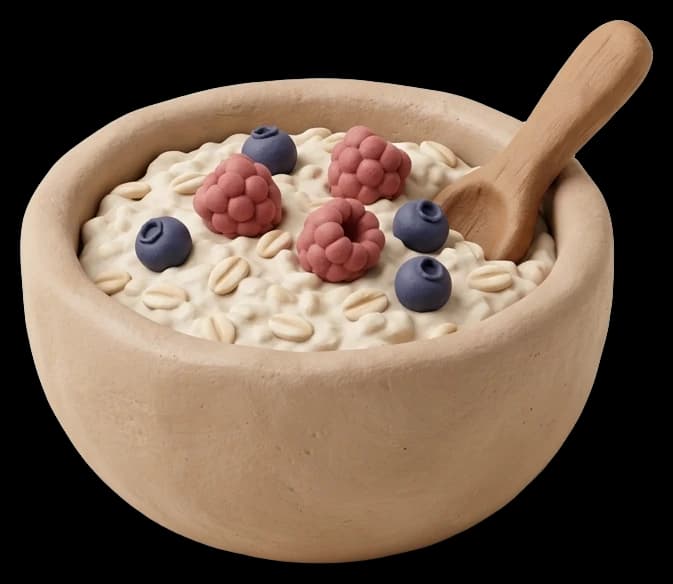
Plain rolled or steel-cut oats
Drying and rolling oats can still fit Group 1. Sweetener and flavour additions change the packaged food.
Honey-roasted or salted nuts
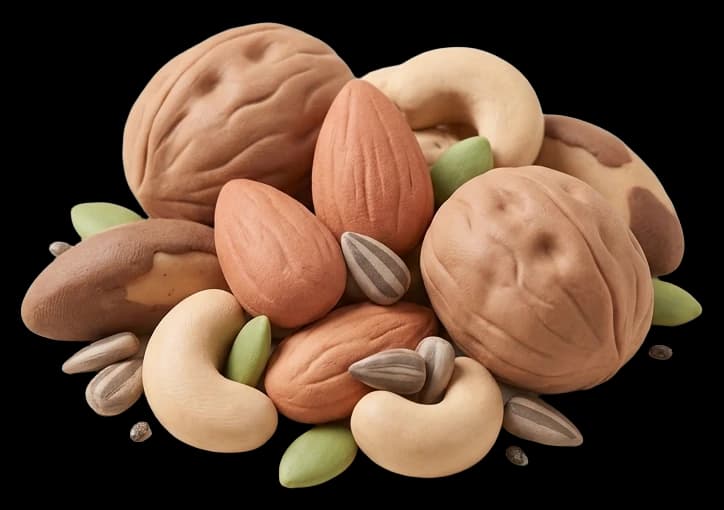
Plain nuts or seeds
Plain nuts fit Group 1; salt, sugar or oil additions shift the product away from the plain food. Choose by taste and the label, not fear.
Fruit in syrup
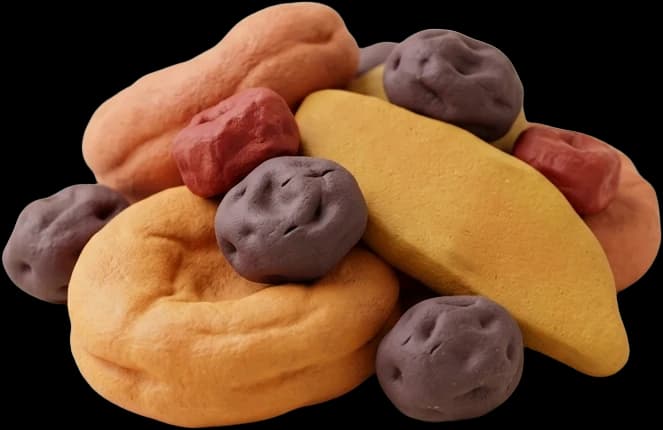
Fresh, frozen or unsweetened dried fruit
The fruit can be Group 1 in several forms. Syrup is an addition, so the canned product is not the same classification.
Frequently askedquestions
Everything you need to know about scanning your food with Berry Pure.
What foods are on an unprocessed foods list?
Examples include plain fruit and vegetables, dried beans and lentils, oats and rice, nuts and seeds, eggs, milk, plain yogurt, and fresh meat or fish. NOVA Group 1 also includes minimally processed forms such as plain frozen produce and pasteurized milk.
Are frozen vegetables unprocessed?
Plain frozen vegetables can be NOVA Group 1. Freezing is minimal processing. Check the pack for sauce, salt or other added ingredients rather than assuming every frozen vegetable product is the same.
Are canned beans unprocessed?
Dried beans are Group 1. Beans canned with added salt are generally Group 3 under the Brazilian dietary guide. A no-salt can with just beans and water needs its own ingredient check; canning alone does not tell the whole story.
Is plain yogurt unprocessed?
Plain yogurt made from milk and cultures is minimally processed in the NOVA scheme. Sweetened or flavoured yogurt has additions, so read the ingredients before assigning a group.
Does one ingredient mean unprocessed?
No. Oil, butter, sugar and salt can each have one ingredient but belong to NOVA Group 2. Group 1 depends on the food and the purpose of processing, not a fixed ingredient count.
Is bread an unprocessed food?
Bread made from flour, water, yeast and salt is a processed food in NOVA Group 3, despite its short ingredient list. A packaged bread with industrial ingredients may be Group 4. Classification is not a complete nutrition verdict.

See what’s really
in your food
Scan your first label in seconds and start making cleaner choices across your whole kitchen.
Free to download. Subscription required for Premium.
Berry Pure Premium is a monthly or annual subscription. Payment is charged to your Apple ID at confirmation of purchase and automatically renews unless cancelled at least 24 hours before the end of the current period. Manage or cancel anytime in your App Store account settings.