


 Label check
Anti Inflammatory Breakfast Ideas: 6 Recipes With Real Quantities
Six written-out breakfast recipes, from a one-pan shakshuka to a five-minute kefir smoothie, built around the fats, fibers, and spices the inflammation research keeps pointing to.
Free to download on iPhone. Subscription required for Premium.
Six Anti-Inflammatory Breakfast Recipes Worth Repeating
Breakfast advice usually stops at 'eat berries and oats.' These six recipes go further: actual quantities, actual methods, and a spread of formats so there is an option for lazy Sundays, frantic Tuesdays, and everything between. Each one leans on ingredients that recur throughout an anti-inflammatory diet: fatty fish alternatives, seeds, olive oil, fermented dairy, deeply colored produce, and spices with studied active compounds.
Recipe one, weekend shakshuka: soften half a diced onion and a red bell pepper in 2 tablespoons of olive oil, add 2 minced garlic cloves, a teaspoon of smoked paprika, and half a teaspoon of cumin, pour in a can of crushed tomatoes, simmer 10 minutes, then crack in four eggs, cover, and cook until the whites set. Finish with parsley and feta. Lycopene in tomatoes becomes more bioavailable when cooked in oil, which makes this dish more than the sum of its parts. Recipe two, kefir mango smoothie: blend a cup of plain kefir with a cup of frozen mango, a thumb of fresh ginger, a tablespoon of ground flaxseed, and a squeeze of lime. Kefir's live cultures connect breakfast to the microbiome side of inflammation, a link our foods for gut health guide unpacks.
Recipe three, sweet potato breakfast hash: cube one sweet potato and pan-fry in olive oil until browned, add a sliced scallion and two big handfuls of chopped kale until wilted, then top with two fried eggs and a shake of hot sauce. It reheats well, so cook the potato base for three days at once. Recipe four, buckwheat porridge with cherries: simmer half a cup of buckwheat groats in a cup of milk of your choice for 12 minutes, then top with thawed frozen dark cherries, toasted almonds, and cinnamon. Buckwheat is a rutin-rich pseudo-grain that breaks the wheat-at-every-meal pattern, and tart cherries carry some of the best-studied anthocyanins in the produce aisle.
Recipe five, matcha chia pudding: whisk a teaspoon of matcha into a cup of unsweetened soy or dairy milk, stir in 3 tablespoons of chia seeds and a teaspoon of maple syrup, refrigerate overnight, and top with sliced kiwi. Chia brings ALA omega-3s and about 10 grams of fiber; matcha brings EGCG, the green tea catechin studied for its effects on inflammatory signaling. Recipe six, savory ricotta toast: spread whole-milk ricotta on grilled sourdough, pile on sliced tomatoes and basil, and finish with olive oil, black pepper, and a pinch of salt. Ninety seconds of work, and every ingredient would be at home in a Mediterranean kitchen.
What unites the six is as much about absences as presences. None contains refined flour as its base, none leans on added sugar beyond a teaspoon, and none requires a packaged product with an ingredient paragraph. The packaged items they do use, kefir, ricotta, chia, buckwheat, canned tomatoes, sourdough, are all foods where a clean version exists but is not guaranteed, and a quick label scan tells you which jar or bag you are actually holding.
Rotate by energy level: shakshuka and hash when there is time to stand at a stove, porridge and toast on standard mornings, smoothie and chia pudding when there is not a minute to spare. Two prepped options in the fridge is usually the difference between eating one of these and grabbing whatever the break room offers.
 How it works
Keep the Recipe Inputs Honest
 1
1Scan the Dairy and Fermented Ingredients
Kefir, ricotta, and yogurt range from two-ingredient foods to sweetened, gummed, and flavored products in near-identical bottles. BerryPure flags added sugars, stabilizers, and sweeteners so the fermented part of breakfast keeps its live-culture point.
 2
2Check the Canned and Bagged Bases
Crushed tomatoes sometimes carry added sugar and citric acid blends, chia and buckwheat are occasionally sold in blends with sweeteners, and sourdough at supermarkets is often standard bread with sourdough flavoring. A scan sorts the real versions from the imitations in seconds.
 3
3Compare Your Shortcut Products Against the Recipes
If you rely on a boxed smoothie mix, a flavored porridge cup, or a frozen breakfast bowl, scan it and compare its score with the from-scratch version's ingredients. Keeping one honest shortcut is fine; the scan just makes sure you know which shortcuts cost you.

 Cleaner swaps
Morning Swaps, Processed Default to Real Recipe

Drive-thru breakfast sandwich
Sweet potato hash with kale and two fried eggs, base prepped ahead
Fast-food breakfast sandwiches combine refined muffins, processed cheese, and cured meat with nitrites. The hash reheats in five minutes and swaps that stack for beta-carotene, vitamin K greens, and intact-protein eggs.

Toaster pastries or breakfast biscuits
Matcha chia pudding with kiwi, made the night before
Toaster pastries pair refined flour with corn syrup, palm oil, and dyes like Red 40. The chia pudding matches the zero-morning-effort convenience while delivering fiber, ALA omega-3s, and green tea catechins.

Bottled breakfast smoothie or protein shake
Kefir blended with frozen mango, ginger, and ground flaxseed
Bottled smoothies frequently run past 40 grams of sugar with gums and natural flavors, and shelf-stable shakes add corn maltodextrin and emulsifiers. The home blend takes three minutes and keeps the live cultures bottling would kill.
Blueberry muffin from the coffee shop
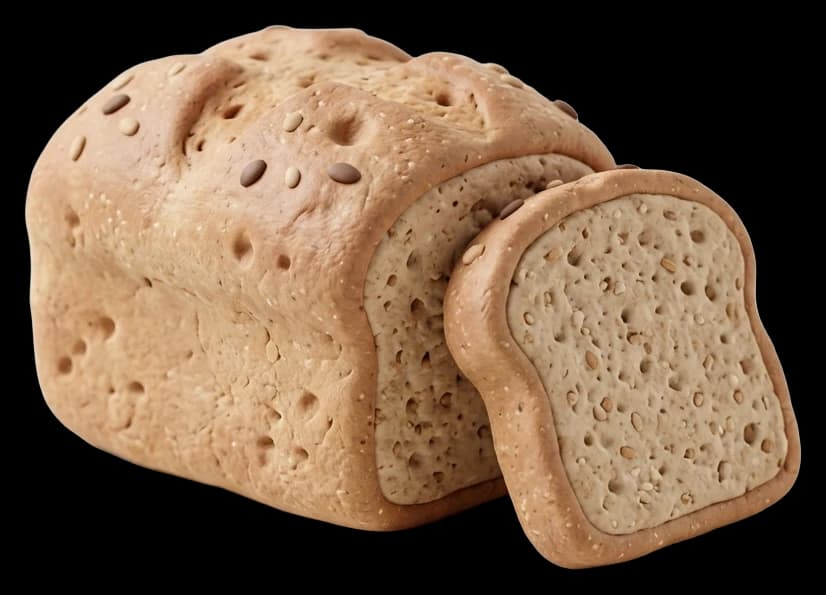
Ricotta toast on sourdough with tomatoes, basil, and olive oil
A commercial muffin is structurally cupcake: refined flour, seed oil, and 30-plus grams of sugar. The toast delivers protein from ricotta and fat from olive oil, so the mid-morning crash never arrives.
Flavored microwave porridge cups
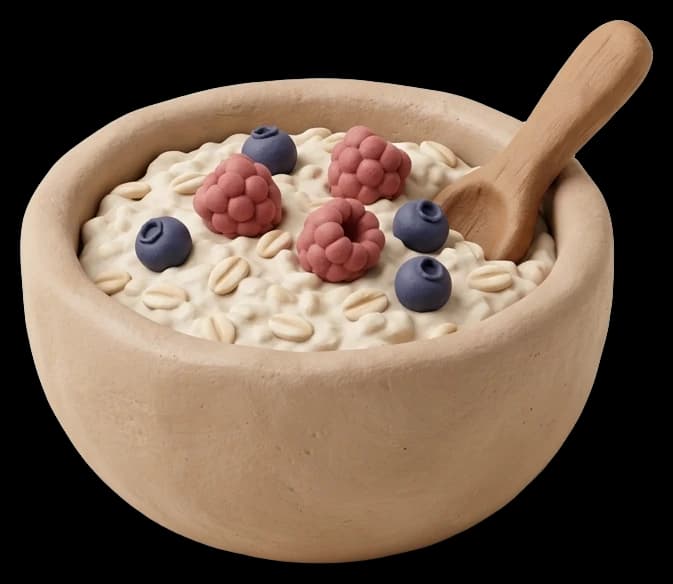
Buckwheat porridge with dark cherries, almonds, and cinnamon
Flavor-cup porridges add sugar, flavorings, and thickeners to a grain that needs none of them. Buckwheat cooks in 12 minutes, brings rutin and magnesium, and the cherries supply anthocyanins instead of syrup.

Breakfast skipped, then vending machine by 10 a.m.
Shakshuka on weekends, with leftovers reheated over toast on Monday
The skipped-breakfast-to-snack pipeline usually ends in refined starch and sugar at maximum hunger. One weekend pan of eggs in spiced tomato sauce covers two additional weekday mornings with real food.
Frequently askedquestions
Everything you need to know about scanning your food with Berry Pure.
Which of these anti-inflammatory breakfast ideas is fastest on a weekday?
The matcha chia pudding wins because the work happened last night: grab, top with kiwi, and eat. The kefir smoothie takes about three minutes including blender rinse, and the ricotta toast about two if the bread is sliced. Keeping two of the three stocked covers even the worst mornings.
Are savory breakfasts better than sweet ones for inflammation?
Neither direction wins by itself; the ingredient quality decides. A sweet breakfast built on whole fruit, chia, and kefir behaves very differently from one built on syrup and refined flour, and a savory one of cured meats can be worse than either. The practical edge of savory recipes like shakshuka and hash is that they make vegetables and olive oil easy to include before noon.
Can I meal prep these breakfast recipes for the whole week?
Mostly yes, in layers. Chia pudding holds four days in jars, the sweet potato hash base holds three, buckwheat cooks in batch and reheats with a splash of milk, and shakshuka sauce can be made ahead with eggs added fresh. Only the smoothie and the toast are best made day-of, and both take under five minutes.
What should I drink with an anti-inflammatory breakfast?
Water, green tea, or unsweetened coffee all fit; the matcha in the chia pudding already covers the tea angle if you prefer. The main pitfall is drinkable sugar alongside otherwise good food: juice, sweetened plant milks, and flavored lattes can add more sugar than the meal itself. Whatever you pour, the label deserves the same check as the plate.
Do these recipes work for kids?
Several translate directly. The buckwheat porridge with cherries and the kefir mango smoothie are naturally kid-friendly, ricotta toast works with the tomatoes swapped for sliced strawberries, and shakshuka can be served mild with the eggs on toast. Building the sweetness from fruit rather than syrups is the main habit worth setting early.
How many mornings a week do I need to eat this way to notice anything?
Consistency beats perfection: five mornings a week of whole-food breakfasts is a meaningful dietary shift, since breakfast is often the most processed meal of the day. Most people notice steadier late-morning energy within a week or two. Changes in measured inflammatory markers take longer and depend on the whole diet, not one meal.

See what’s really
in your food
Scan your first label in seconds and start making cleaner choices across your whole kitchen.
Free to download. Subscription required for Premium.
Berry Pure Premium is a monthly or annual subscription. Payment is charged to your Apple ID at confirmation of purchase and automatically renews unless cancelled at least 24 hours before the end of the current period. Manage or cancel anytime in your App Store account settings.