



 Label check
Foods That Reduce Inflammation, and the Mechanisms Behind Them
Why omega-3s, polyphenols, curcumin, antioxidants, and fermentable fiber actually work. The chemistry, the food sources, and how to keep them clean.
Free to download on iPhone. Subscription required for Premium.
How Food Actually Reduces Inflammation
Most lists of anti-inflammatory foods skip the part that's actually interesting: how they work. Inflammation is a tightly choreographed biochemical process, and certain food compounds plug directly into specific steps of that process. Omega-3 fatty acids get incorporated into cell membranes and become the substrate for resolvins and protectins, the molecules that actively shut inflammation down. Polyphenols suppress NF-kappa-B, the master switch that turns inflammatory genes on. Curcumin from turmeric blocks COX-2. Antioxidants neutralize the reactive oxygen species that trigger immune cascades. Fermentable fiber feeds gut bacteria that produce short-chain fatty acids like butyrate, which calm intestinal immune cells.
Understanding these mechanisms changes how you eat. It's not a magic-food list, it's a toolkit. If you want better resolution of inflammation after a workout, lean omega-3s. If your gut is reactive, lean fermentable fiber. If oxidative stress from environmental exposure is the issue, lean antioxidants. The compounds aren't interchangeable, and the real Mediterranean-style benefits of an anti-inflammatory diet come from layering all five mechanisms across the week.
There's a catch. These compounds are fragile. Omega-3s oxidize. Polyphenols degrade with heat and processing. Antioxidants are easily destroyed by industrial refining. A mechanism-focused approach to anti-inflammatory eating is partly about protecting the active compounds from being wrecked before they get to you. That's where BerryPure helps, verifying that a fish oil supplement includes tocopherol antioxidants to prevent oxidation, that a polyphenol source isn't bundled with sugar that cancels its effect.
 How it works
How to Verify the Active Compounds Survive Processing
 1
1Check Omega-3 Sources for Stabilizers
Fish oil and ground flax oxidize quickly once exposed to oxygen and light. Scan the label, quality omega-3 products list tocopherol, rosemary extract, or ascorbyl palmitate as antioxidant stabilizers. Without them, you may be consuming oxidized lipids that work against the goal.
 2
2Spot Polyphenol Sources Loaded with Sugar
A green tea bottled drink with 30 grams of added sugar undermines its own catechins, sugar's pro-inflammatory effect cancels the polyphenol benefit. Same with chocolate bars below 70% cocoa or fruit smoothies with juice concentrate. BerryPure flags the sugar load so you can choose versions that preserve the mechanism.
 3
3Avoid Refined Versions of Whole Plant Foods
Whole grains generate butyrate-producing fermentation in the colon. White flour does not, most of the fiber and bran has been stripped. Scan to confirm the bread or pasta you're buying actually lists whole grain as the first ingredient, not enriched wheat flour with a marketing label.

 Cleaner swaps
Mechanism-Specific Swaps That Activate the Right Pathway
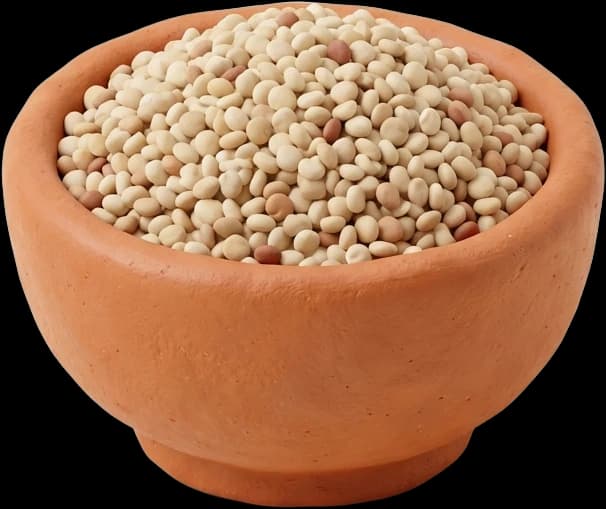
Refined white grain (white bread, white rice, regular pasta)
Whole grain (steel-cut oats, brown rice, whole wheat pasta, quinoa)
Fermentable fiber feeds gut bacteria that produce butyrate and other short-chain fatty acids, which actively reduce intestinal inflammation. Refined grains are stripped of the fermentable fraction, so the mechanism never activates.

Processed snack with refined seed oil
A handful of walnuts or chia pudding
Walnuts and chia are among the densest plant sources of alpha-linolenic acid, a precursor to EPA and DHA. The body uses these omega-3s to manufacture resolvins and protectins, molecules that actively resolve inflammation rather than just fail to cause it.

Sweetened bottled green tea
Loose-leaf or unsweetened brewed green tea
Catechins like EGCG suppress NF-kappa-B activation. Adding 25+ grams of sugar to bottled green tea introduces a counter-signal that elevates inflammation through different pathways. The unsweetened version preserves the polyphenol mechanism intact.
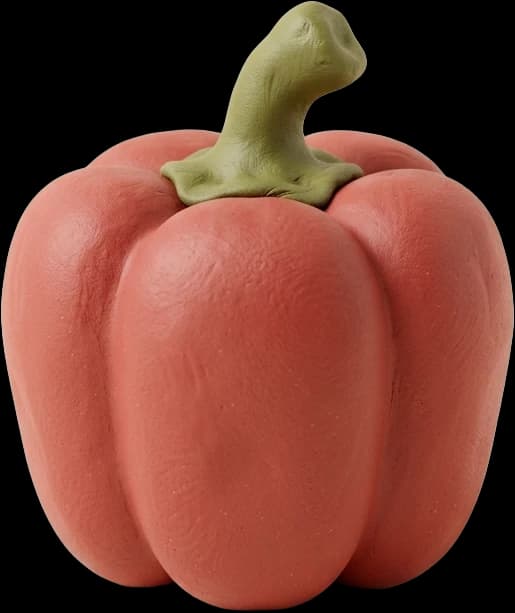
Plain turmeric capsule with no absorption enhancer
Turmeric used in cooking with black pepper and a fat
Curcumin, the bioactive compound in turmeric, has poor oral bioavailability on its own. Black pepper's piperine increases absorption by up to 2,000% in some studies, and dietary fat helps the fat-soluble curcumin enter circulation. Cooking it with these companions activates the COX-2-blocking mechanism.
Frequently askedquestions
Everything you need to know about scanning your food with Berry Pure.
How do omega-3s reduce inflammation?
EPA and DHA, the omega-3 fatty acids in fatty fish, get incorporated into cell membranes throughout the body. When inflammation needs to be resolved, the body uses these omega-3s as the substrate to produce resolvins, protectins, and maresins, specialized pro-resolving mediators that actively shut down inflammation. Omega-3s aren't passive bystanders; they're the raw material for the off-switch.
What are polyphenols and how do they fight inflammation?
Polyphenols are plant compounds found in berries, green tea, EVOO, dark chocolate, and many vegetables. They work primarily by suppressing NF-kappa-B, a transcription factor that, when activated, turns on dozens of inflammatory genes. By keeping NF-kappa-B quieter, polyphenols reduce the upstream signal that drives chronic low-grade inflammation throughout the body.
Why is curcumin from turmeric so well studied?
Curcumin is the active compound that gives turmeric its yellow color, and it has anti-inflammatory effects through multiple pathways, COX-2 inhibition, NF-kappa-B suppression, and antioxidant activity. The challenge is bioavailability: curcumin is poorly absorbed alone. Combining it with black pepper, fat, and gentle heat dramatically improves how much your body actually uses.
What do antioxidants actually do?
Antioxidants like vitamin C, vitamin E, beta-carotene, and selenium neutralize reactive oxygen species, unstable molecules that, when they accumulate, trigger inflammatory cascades and damage tissue. By quenching these free radicals before they cause harm, antioxidant-rich foods reduce the oxidative load that fuels chronic inflammation.
How does fiber reduce inflammation?
Fermentable fiber from whole grains, legumes, vegetables, and fruit reaches the colon undigested, where gut bacteria ferment it into short-chain fatty acids, primarily butyrate, propionate, and acetate. Butyrate in particular is the preferred fuel for colon cells and has direct anti-inflammatory effects on intestinal immune cells. A diverse fiber intake supports a more diverse microbiome, which produces more SCFAs.
Can I just take supplements with these compounds?
Sometimes, but usually whole foods work better. Curcumin supplements with absorption enhancers can help in specific clinical contexts. Fish oil makes sense if you don't eat fish. But isolated polyphenols rarely outperform whole-food sources in trials, likely because foods deliver synergistic combinations of compounds that supplements don't replicate. The full anti-inflammatory pattern is more than the sum of any one capsule.


See what’s really
in your food
Scan your first label in seconds and start making cleaner choices across your whole kitchen.
Free to download. Subscription required for Premium.
Berry Pure Premium is a monthly or annual subscription. Payment is charged to your Apple ID at confirmation of purchase and automatically renews unless cancelled at least 24 hours before the end of the current period. Manage or cancel anytime in your App Store account settings.