



 Label check
Inflammatory Foods List: What to Scan for and What to Skip
Chronic inflammation is linked to heart disease, type 2 diabetes, and autoimmune conditions. Many of the foods that drive it are ultra-processed staples hiding in plain sight. Here is what to look for on the label.
Free to download on iPhone. Subscription required for Premium.
The Ingredients That Drive Inflammation, and How to Spot Them
Inflammation is your immune system's natural response to injury or infection, and in short bursts, it is essential for healing. Chronic low-grade inflammation is a different story. It simmers in the background for months or years, driven largely by diet, and has been linked by research in journals like The Lancet and Nature Medicine to cardiovascular disease, type 2 diabetes, certain cancers, Alzheimer's disease, and autoimmune disorders. Understanding which foods promote this chronic state, and cutting them as part of an anti-inflammatory diet, is one of the most impactful things you can do for long-term health.
An inflammatory foods list is not just about obvious junk food. Some of the worst offenders carry health halos, flavored yogurt with added sugar, whole wheat bread made with refined seed oils and preservatives, protein bars loaded with soy protein isolate and artificial sweeteners. The common thread is ultra-processing: when foods are broken down into industrial components and reassembled with additives, their effect on your body shifts from nourishing to inflammatory. A 2024 umbrella review in The BMJ found that higher ultra-processed food consumption was associated with 32 adverse health outcomes spanning cardiovascular, metabolic, and mental health. Higher intake has also been associated with elevated C-reactive protein (CRP), a systemic inflammation marker.
The specific ingredients to watch for fall into a few key categories: refined seed oils (soybean, corn, canola, sunflower), added sugars in all their forms, artificial trans fats (partially hydrogenated oils, still present in some products despite the FDA ban on new additions), artificial additives like certain emulsifiers (polysorbate 80, carboxymethylcellulose), and highly refined carbohydrates that spike blood sugar and trigger an inflammatory insulin response.
 How it works
How to Identify Inflammatory Ingredients With a Label Scan
 1
1Scan packaged foods for known inflammatory additives
BerryPure flags refined seed oils, added sugars, artificial colors, emulsifiers, and other ultra-processed ingredients associated with chronic inflammation. One scan gives you the full breakdown for any product.
 2
2Check the purity score to assess overall inflammation risk
A product might contain only one inflammatory ingredient, or it might stack five together. The purity score reflects cumulative ingredient quality, giving you a quick read on whether a product is likely to promote or reduce inflammation.
 3
3Focus on the products you eat most frequently
A mildly inflammatory food you eat every day does more cumulative damage than an occasional treat. Scan your daily staples first, cooking oil, bread, condiments, snacks, beverages, and prioritize swapping the ones you consume most often.
- 4
Replace flagged items with whole-food alternatives
BerryPure suggests anti-inflammatory swaps for each flagged product. The goal is not perfection but shifting the ratio: more whole, minimally processed foods and fewer products with long, unrecognizable ingredient lists.

 Cleaner swaps
Swap Inflammatory Staples for Anti-Inflammatory Alternatives

Vegetable oil or soybean oil for cooking
Extra virgin olive oil, avocado oil, or coconut oil
Refined seed oils are high in omega-6 fatty acids, which can promote inflammation when consumed in excess relative to omega-3s. Extra virgin olive oil is rich in oleocanthal, a compound with anti-inflammatory effects comparable to low-dose ibuprofen.

White bread and refined flour products
Whole grain sourdough or 100% sprouted grain bread
Refined flour has been stripped of fiber and bran, leaving a product that spikes blood sugar rapidly. Chronic blood sugar spikes drive insulin resistance and inflammatory cascades. Whole grains and sourdough fermentation reduce the glycemic impact.
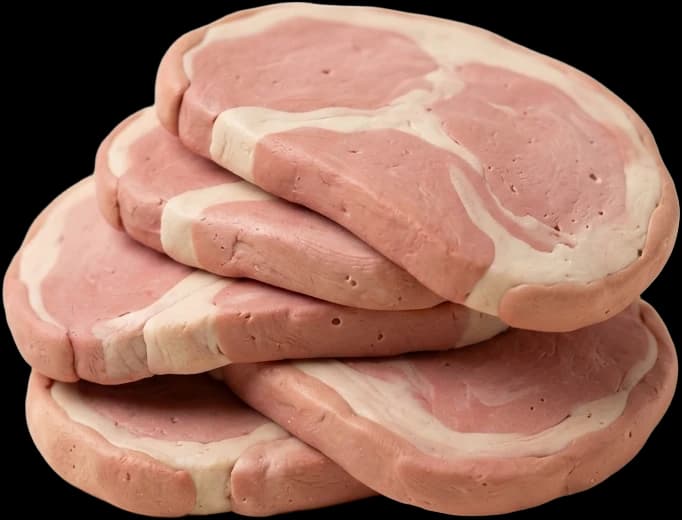
Processed deli meats with sodium nitrite and added sugars
Roasted turkey or chicken breast sliced at home, or nitrate-free deli meat
Processed meats preserved with sodium nitrite can form nitrosamines, which are inflammatory and classified as probable carcinogens by the World Health Organization. Fresh roasted meat or certified nitrate-free alternatives avoid this pathway.

Margarine or spreads with partially hydrogenated oils
Grass-fed butter or ghee
While the FDA has restricted new uses of partially hydrogenated oils, some older formulations still contain trace amounts of industrial trans fats. Grass-fed butter provides fat-soluble vitamins A, D, and K2 without inflammatory trans fats.

Sugary coffee drinks or energy drinks with artificial additives
Black coffee, green tea, or matcha with a splash of whole milk
Coffee and green tea are naturally rich in polyphenols with anti-inflammatory properties. Adding 30 grams of sugar and artificial flavoring negates those benefits. Drinking them plain or with minimal additions preserves the anti-inflammatory compounds.
Frequently askedquestions
Everything you need to know about scanning your food with Berry Pure.
What are the most inflammatory foods?
The most consistently inflammatory foods in the research literature are: sugar-sweetened beverages, processed meats (hot dogs, bacon, sausage, deli meats with nitrites), refined carbohydrates (white bread, pastries, many crackers), fried foods cooked in refined seed oils, margarine and foods with trans fats, and excessive alcohol. Ultra-processed foods in general, defined as industrial formulations of five or more ingredients including additives, are strongly associated with elevated inflammatory markers.
Which oils are inflammatory?
Refined seed oils high in omega-6 fatty acids are the most inflammatory when consumed in excess. These include soybean oil, corn oil, sunflower oil, safflower oil, and cottonseed oil. The issue is the omega-6 to omega-3 ratio: the typical Western diet has a ratio of 15:1 to 20:1, while a ratio closer to 2:1 or 4:1 is associated with reduced inflammation. Replacing these with olive oil, avocado oil, or coconut oil helps rebalance this ratio.
Does sugar cause inflammation?
Yes. Added sugar, particularly fructose in excess, triggers several inflammatory pathways. It increases production of advanced glycation end products (AGEs), stimulates the release of inflammatory cytokines, promotes insulin resistance, and feeds gut bacteria that produce inflammatory metabolites. A 2018 study in the American Journal of Clinical Nutrition found that consuming 40 grams of added sugar from a single soda increased inflammatory markers like CRP within hours.
Can food sensitivity cause inflammation?
Yes. Individual food sensitivities, distinct from allergies, can trigger low-grade immune responses that contribute to chronic inflammation. Common culprits include gluten (in people with non-celiac gluten sensitivity), dairy, eggs, and certain food additives. However, food sensitivities are highly individual. An elimination diet supervised by a healthcare provider is the most reliable way to identify personal triggers.
What is the connection between ultra-processed food and inflammation?
Ultra-processed foods are industrial formulations that typically contain refined oils, added sugars, emulsifiers, artificial colors, and preservatives, many of which individually promote inflammation. A landmark 2024 umbrella review in The BMJ found that higher ultra-processed food intake was consistently associated with elevated C-reactive protein, a key inflammation marker. The combination of these ingredients appears to be more inflammatory than any single additive alone.
How quickly does an anti-inflammatory diet reduce inflammation?
Measurable changes in inflammatory biomarkers like CRP and interleukin-6 can appear within two to four weeks of shifting to an anti-inflammatory diet. Symptomatic improvements, reduced joint stiffness, better digestion, improved energy, often follow a similar timeline. However, the degree of improvement depends on baseline inflammation levels, the extent of dietary change, and individual factors like genetics and sleep quality.



See what’s really
in your food
Scan your first label in seconds and start making cleaner choices across your whole kitchen.
Free to download. Subscription required for Premium.
Berry Pure Premium is a monthly or annual subscription. Payment is charged to your Apple ID at confirmation of purchase and automatically renews unless cancelled at least 24 hours before the end of the current period. Manage or cancel anytime in your App Store account settings.