


 Label check
Foods With Hidden Sugar: The Products and the 60+ Names It Hides Behind
Dried cranberries carry more sugar per serving than gummy bears. Your deli turkey contains dextrose. Here is the full map of where sugar hides and what it calls itself.
Free to download on iPhone. Subscription required for Premium.
Where Sugar Actually Hides, and Every Alias It Uses
Ask people where their added sugar comes from and they name desserts and soda. The grocery data says otherwise. Against the American Heart Association ceilings of 25 grams of added sugar per day for women and 36 for men, average consumption runs nearly triple, and a large share of the overage arrives in foods nobody files under "sweet": bread, cured meat, salad dressing, canned soup, and breakfast items wearing health halos.
The specifics are what make it real. A quarter cup of sweetened dried cranberries carries about 26 grams of sugar, more than a serving of gummy bears. Half a cup of canned baked beans holds 10 to 12 grams. Two tablespoons of barbecue sauce, roughly 9 grams. A tablespoon of ketchup, 4 grams. A single cup of flavored yogurt reaches 15 to 25 grams, and a "maple and brown sugar" instant oatmeal packet adds about 12 before you pour the milk. Sushi rice is seasoned with sugar during preparation. Deli turkey and ham list dextrose or honey in the cure. Canned tomato soup runs around 10 grams per serving. None of these items would ever get called dessert, yet a day built from them can pass 70 grams without one bite of candy.
Spotting these products requires knowing sugar's vocabulary, because it appears on ingredient lists under more than 60 names. The chemistry family ends in -ose: sucrose, dextrose, maltose, fructose, glucose, galactose. The syrup family includes corn syrup, high fructose corn syrup, rice syrup, tapioca syrup, golden syrup, malt syrup, and corn syrup solids. The health-halo family sounds virtuous but behaves identically in your bloodstream: agave nectar, coconut sugar, date syrup, honey, maple syrup, molasses, and fruit juice concentrate. Then come the obscure entries most shoppers have never decoded: barley malt, diastatic malt, evaporated cane juice, treacle, muscovado, panela, turbinado, demerara, and invert sugar. Maltodextrin technically escapes the sugar count entirely, yet raises glucose faster than sucrose does, which is why it features heavily in our blood sugar detox guide.
Manufacturers exploit this vocabulary through ingredient splitting. Ingredients must be listed by weight, so a granola bar sweetened with one sugar might have to list it first. Split the identical quantity across cane sugar, brown rice syrup, and honey, and each lands harmlessly mid-list, while the total remains unchanged. Serving-size games compound the trick: a dressing label declaring 3 grams per two-tablespoon serving looks innocent until you measure what a real salad wears, which is usually double or triple that. And "no added sugar" claims only promise nothing was added during processing; a product sweetened with concentrated fruit puree can still deliver a soda-level sugar load per bottle.
Two tools cut through all of it. The Added Sugars line, mandatory on US nutrition panels since 2020, separates added sweeteners from naturally occurring ones, and it counts fruit juice concentrates used as sweeteners, closing an old loophole. The ingredient list catches what the panel obscures, if you can recognize all 60-plus aliases at a glance. That recognition step is exactly what BerryPure automates: scan any label and every sweetener present gets flagged by name, no memorization required.
Once you can see the hidden load, the response is straightforward: swap the two or three worst offenders in your regular rotation and keep the rest of your diet untouched. That alone typically removes 20 to 40 grams a day. If you are ready to bring your whole baseline down systematically rather than product by product, our guide on how to quit sugar lays out the category-by-category order that makes the reduction stick.
 How it works
Auditing Your Groceries for Hidden Sugar
 1
1Scan your savory and 'healthy' items first
Skip the cookies; you already know about those. Scan the bread, dressings, deli meat, yogurt, bars, and sauces. BerryPure flags every one of the 60+ sweetener aliases, which is where the surprises live.
 2
2Catch the ingredient-splitting trick
A product listing three mid-list sweeteners can out-sugar one listing sugar first. The purity score aggregates every sweetener found, so split sugars cannot hide from the total the way they hide from a quick label glance.
 3
3Compare shelf neighbors before you buy
Scan two or three brands of the same product side by side. Categories like marinara, bread, and yogurt always contain at least one no-added-sugar option, and finding it once fixes every future shopping trip.

 Cleaner swaps
The Biggest Hidden-Sugar Offenders, Swapped
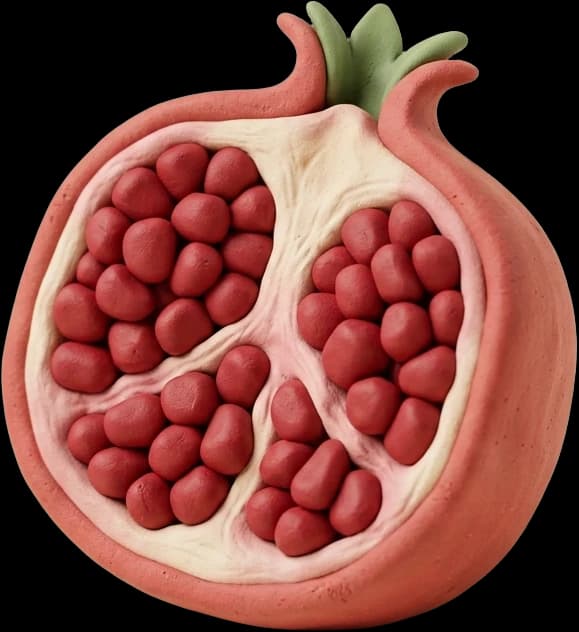
Sweetened dried cranberries in salads and trail mix (26g per quarter cup)
Fresh berries, halved grapes, or pomegranate seeds
Cranberries are too tart to dry without heavy sweetening, so most brands infuse them with sugar syrup first. Fresh fruit provides the same pop of sweetness and color with its fiber and water intact.

Barbecue sauce (about 9g sugar per 2 tablespoons)
A dry spice rub, or mustard mixed with hot sauce and smoked paprika
Many BBQ sauces list high fructose corn syrup or molasses first or second, and a typical serving at the table is far more than two tablespoons. A rub delivers the smoke-and-spice profile with zero grams.

Canned baked beans (10-12g sugar per half cup)
Plain canned navy or pinto beans simmered with tomato paste, smoked paprika, and a splash of vinegar
Traditional baked bean recipes lean on brown sugar and molasses, and commercial versions follow suit. Ten minutes of seasoning plain beans recreates the savory depth while cutting the sugar to almost nothing.

Flavored yogurt cups (15-25g sugar each)
Plain Greek yogurt with fresh fruit stirred in
Fruit-on-the-bottom yogurts routinely place sugar or fruit juice concentrate second on the ingredient list. Stirring real fruit into plain yogurt reclaims control of the sweetness and adds protein per spoonful.

Honey-glazed or maple deli meats
Plain roasted turkey or chicken sliced at the counter
Glazed and cured deli meats include dextrose, honey, or brown sugar in the cure solution. Plain roasted cuts deliver the same sandwich with an ingredient list of meat, water, and salt.

Granola and breakfast bars (8-16g sugar per bar)
Hard-boiled eggs with fruit, or plain nuts and cheese
Bars are the poster child of ingredient splitting, commonly combining cane sugar, brown rice syrup, and honey in one recipe. Whole-food combinations cover the same grab-and-go slot with protein that actually sustains you.
Frequently askedquestions
Everything you need to know about scanning your food with Berry Pure.
What foods have the most hidden sugar?
The consistent leaders are flavored yogurt at up to 25 grams per cup, bottled smoothies at 25 to 45 grams, sweetened dried fruit at around 26 grams per quarter cup, granola and breakfast bars at 8 to 16 grams, barbecue sauce and ketchup, canned baked beans and tomato soup, instant flavored oatmeal, and glazed deli meats. Bread and salad dressing add smaller amounts that accumulate across a full day.
How many names does sugar go by on ingredient labels?
More than 60. They cluster into families: -ose chemistry names like dextrose and maltose, syrups like rice syrup and corn syrup solids, healthy-sounding options like agave, coconut sugar, and fruit juice concentrate, and obscure terms like barley malt, muscovado, panela, and invert sugar. Recognizing the families is more practical than memorizing every individual name.
Why is there sugar in deli meat and bread?
In cured meats, dextrose and honey balance salt, feed curing bacteria, and assist browning. In bread, sugar feeds the yeast and softens the crumb, though many industrial bakeries add well beyond what fermentation requires. In both cases the amounts per serving are small, but these are foods eaten daily, so the weekly total becomes significant.
Does 'no added sugar' on a label mean the product is low in sugar?
No. The claim only certifies that no sweetener was added during processing. A juice or smoothie made from concentrated fruit can still contain 30-plus grams of sugar per bottle, and dried fruit products remain concentrated sugar sources by nature. Always check the total sugars line and the ingredient list rather than trusting the front of the package.
Is fruit juice concentrate counted as added sugar?
Yes, when it is used as a sweetener. Under current FDA labeling rules, juice concentrates added to sweeten a product must be counted in the Added Sugars line on the nutrition panel. This closed a long-standing loophole where products sweetened with grape or apple concentrate marketed themselves as having no added sugar.
What is the fastest way to check a product for hidden sugar?
Read the Added Sugars line on the nutrition panel first, then scan the ingredient list for sweetener aliases. Since few shoppers can recognize all 60-plus names on sight, scanning the label with BerryPure does the identification automatically, flagging each sweetener by name and factoring every one of them into the product's purity score.

See what’s really
in your food
Scan your first label in seconds and start making cleaner choices across your whole kitchen.
Free to download. Subscription required for Premium.
Berry Pure Premium is a monthly or annual subscription. Payment is charged to your Apple ID at confirmation of purchase and automatically renews unless cancelled at least 24 hours before the end of the current period. Manage or cancel anytime in your App Store account settings.