



 Label check
How to Start Eating Clean: A 4-Week On-Ramp for Beginners
Forget the overnight pantry purge. This four-week plan changes one layer of your diet per week, so by week five clean eating runs on habit instead of willpower.
Free to download on iPhone. Subscription required for Premium.
The 4-Week Plan for Starting Clean Eating
Most people who fail at clean eating fail the same way: they attempt a total kitchen overhaul in one dramatic weekend, eat perfectly for nine days, then collapse back into old habits the first stressful week. The approach that sticks is slower and far less impressive looking. Change one layer of your diet per week for four weeks, and let each layer become automatic before adding the next. Before week one, it helps to have a working definition of the goal, which our what is clean eating guide covers: mostly whole foods, minimal industrial additives, no forbidden-food lists.
Week one is observation only. Change nothing. Instead, scan the label of everything you eat for seven days and let the scores accumulate. This week matters because your problem areas are almost certainly not where you think. Some people discover their dinners are fine but their coffee creamer, breakfast bar, and afternoon snack contribute a dozen additives a day. Others find one condiment shows up in everything. You cannot fix a diet you have not measured, and a week of passive scanning produces a precise map for the next three weeks.
Week two, fix breakfast. It is the most repetitive meal of the day, which makes it the cheapest habit to rewire: change one breakfast and you have changed seven. Pick two clean defaults you genuinely like, for example eggs with buttered sourdough on slow mornings and plain yogurt with fruit, nuts, and honey on rushed ones. Buy those ingredients and stop deciding. The goal this week is not variety, it is making the clean choice the zero-thought choice.
Week three, fix the pantry backbone: bread, cooking oil, condiments, and snacks, the items that touch many meals at once. Replace each product as it runs out with a version that passes a scan, starting with whatever your week-one data flagged most often. Upgrading a bread you eat twice a day outperforms upgrading a hot sauce you use twice a month, so spend your effort where the frequency is. Keep two or three clean snacks visible on the counter, because the snack you can see is the snack you eat.
Week four, fix dinner by adopting a template instead of recipes: one protein, two vegetables, one starch, cooked simply with olive oil, salt, and whatever spices you like. Chicken, roasted broccoli and carrots, rice. Salmon, green beans and peppers, potatoes. A template survives busy nights the way a recipe collection never does, because there is nothing to look up. Cook double portions twice this week so leftovers cover two lunches, which quietly cleans up a fifth meal without extra work.
After the four weeks, resist the urge to keep tightening. Roughly 80 percent clean covers nearly all of the benefit, since the ultra-processed foods you are displacing are the ones a tightly controlled NIH trial found drive people to eat about 500 extra calories a day, and the remaining 20 percent is where birthday cake, restaurant meals, and sanity live. Expect one or two off days per week and plan them rather than repenting them. When you are ready to go from on-ramp to routine, a structured clean eating meal plan gives the whole week a shape, but the four habits above are the engine that makes any plan hold.
 How it works
How BerryPure Runs Your First Four Weeks
 1
1Week One: Scan Without Judging
Scan the label of everything you eat from for seven days and let BerryPure build your baseline. The purity scores show exactly which meals and products carry your additive load, so weeks two through four target real problems instead of guesses.
 2
2Weeks Two and Three: Scan to Replace
As breakfast items and pantry staples run out, scan candidate replacements at the shelf and pick the highest score at your price. One clear comparison per product turns each replacement into a permanent upgrade rather than a decision you revisit weekly.
 3
3Week Four and Beyond: Watch the Trend
Your score history shows the diet-wide shift the individual swaps added up to. Most beginners see their average climb steadily across the month, and that visible trend is what carries the habit past the point where motivation fades.

 Cleaner swaps
The First Six Swaps Beginners Should Make

Flavored coffee creamer
Whole milk, real cream, or unsweetened oat milk with cinnamon
Creamers are typically water, sugar, and vegetable oil emulsified with dipotassium phosphate and polysorbate 60, consumed every single morning. Daily frequency makes this small swap one of the highest-impact starts.

Breakfast cereal with added colors and BHT
Rolled oats cooked with banana and peanut butter, or eggs
Mainstream cereals pair refined grains with multiple sugars and preservative antioxidants like BHT. Oats and eggs hold you until lunch, which also cuts the mid-morning snack that usually follows cereal.
Granola bars and cereal bars
A handful of nuts with a piece of fruit, or dates with peanut butter
Most bars are candy architecture: syrup binders, protein isolates, and palm oil. Nuts and fruit deliver the same portability with fiber and no ingredient list to audit.

Bottled ranch and creamy dressings
Plain Greek yogurt whisked with lemon, garlic powder, dill, and salt
Creamy bottled dressings lead with soybean oil and stabilize with EDTA and gums. The yogurt version takes ninety seconds, tastes brighter, and adds protein to the salad instead of oil.
Frozen pizza on busy nights
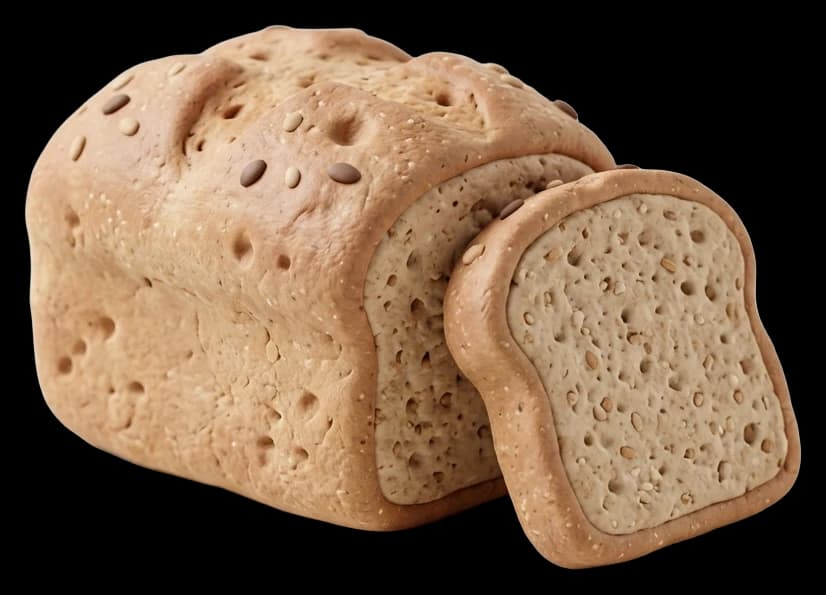
Sourdough flatbread topped with crushed tomatoes, block mozzarella, and olive oil
Frozen pizzas rely on dough conditioners, modified starches, and imitation cheese blends. The flatbread version bakes in 12 minutes, which is faster than most frozen pizzas' oven time.

Soda and sweetened iced tea
Sparkling water with lime, frozen berries, or a splash of juice
Liquid sugar is the single largest added-sugar source in most beginner diets, often 35 to 45 grams per can. Carbonation plus fruit keeps the ritual while removing nearly all of the sugar.
Frequently askedquestions
Everything you need to know about scanning your food with Berry Pure.
Where should a complete beginner start with clean eating?
Start by measuring, not changing. Spend one week scanning everything you currently eat so you know which products actually carry your additive and sugar load. Then fix breakfast first, because it repeats daily, followed by pantry staples and dinner. Sequencing beats intensity for long-term success.
Should I throw away all the processed food in my kitchen?
No. A dramatic purge wastes money and frames the change as punishment, which is exactly the mindset that triggers rebound. Eat down what you have, and replace each item with a cleaner version when it runs out. The replacement cycle naturally spreads the transition over a month or two.
How long does it take for clean eating to feel normal?
Most people report the effort dropping sharply around weeks three to five, once the new defaults stop requiring decisions. Taste adaptation follows a similar timeline: after a few weeks with less added sugar, heavily sweetened products start tasting overwhelming, which makes the habit largely self-maintaining.
Do I have to give up eating out while starting?
No, and trying to usually backfires. Restaurant meals are outside your label-reading control, so treat them as planned exceptions rather than failures. Order simply when you can, a protein with vegetables covers most menus, and focus your standards on the 18 or so meals a week you prepare yourself.
What results should I realistically expect in the first month?
Commonly reported changes include steadier energy between meals, less bloating, and fewer intense snack cravings, typically appearing in weeks two through four. Weight changes vary widely and are not guaranteed. The most reliable first-month result is mechanical: a kitchen where the default options are ones you chose deliberately.
Is it okay to start clean eating gradually instead of all at once?
Gradual is not just okay, it is the higher-percentage path. Research on habit formation consistently favors small repeated changes anchored to existing routines over large simultaneous ones. One layer per week gives each change time to become automatic before the next one draws on your attention.



See what’s really
in your food
Scan your first label in seconds and start making cleaner choices across your whole kitchen.
Free to download. Subscription required for Premium.
Berry Pure Premium is a monthly or annual subscription. Payment is charged to your Apple ID at confirmation of purchase and automatically renews unless cancelled at least 24 hours before the end of the current period. Manage or cancel anytime in your App Store account settings.