



 Label check
Foods for Gut Health: Feed Your Microbiome, Not the Additives
Your gut microbiome thrives on fiber, fermented foods, and diversity, and struggles with emulsifiers, artificial sweeteners, and ultra-processed ingredients. Learn which foods help and which additives to avoid.
Free to download on iPhone. Subscription required for Premium.
Your Gut Has Opinions About Ultra-Processed Ingredients
The human gut microbiome contains trillions of bacteria that influence everything from digestion and immune function to mood and sleep quality. Researchers at institutions like the Weizmann Institute and Stanford have demonstrated that what you eat directly reshapes your microbial community within days. Fiber feeds beneficial bacteria. Fermented foods introduce helpful new strains. But certain ultra-processed ingredients can do the opposite, disrupting the intestinal lining and starving the microbes you want to keep.
Emulsifiers are among the most studied gut disruptors. Polysorbate 80 and carboxymethylcellulose, found in ice cream, salad dressings, and non-dairy milks, have been shown in animal studies to thin the protective mucus layer of the gut and promote inflammation. Artificial sweeteners like sucralose and saccharin can alter microbial composition in ways that paradoxically worsen glucose tolerance. These are not fringe ingredients, they appear in thousands of everyday products.
Choosing foods for gut health means looking beyond the nutrition label and into the ingredient list. BerryPure scans for the specific additives linked to gut disruption so you can build a diet that supports your microbiome rather than working against it.
 How it works
How to Build a Gut-Friendly Kitchen With BerryPure
 1
1Scan your dairy, dressings, and packaged snacks first
These three categories are where emulsifiers and thickeners hide most often. BerryPure flags ingredients like polysorbate 80, carrageenan, and carboxymethylcellulose that research has linked to gut lining disruption.
 2
2Check your beverages for artificial sweeteners
Diet sodas, sugar-free drink mixes, and flavored waters often contain sucralose, aspartame, or acesulfame potassium. BerryPure identifies each sweetener and explains its potential impact on gut flora.
 3
3Build a swap list focused on whole and fermented options
For every flagged product, BerryPure suggests alternatives. The app prioritizes products with shorter ingredient lists and highlights fermented options like kefir, sauerkraut, and kimchi that actively support gut diversity.

 Cleaner swaps
Gut-Friendly Swaps for Common Gut Disruptors
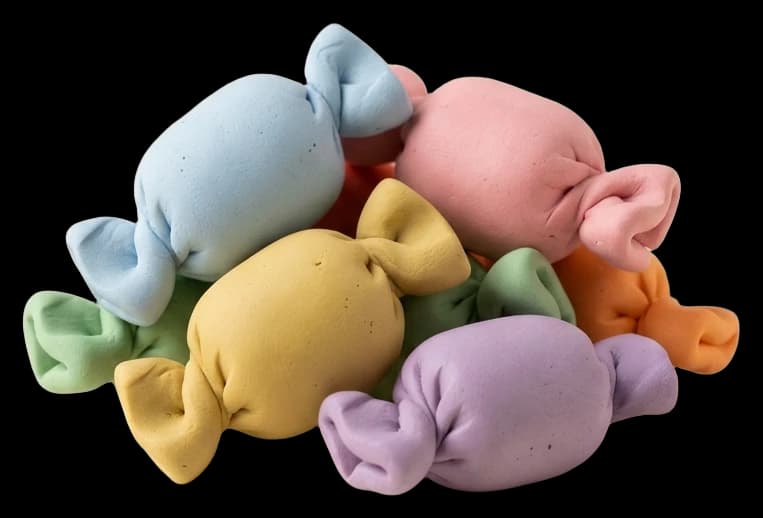
Commercial ice cream with polysorbate 80, guar gum, and carrageenan
Ice cream made with just cream, sugar, eggs, and vanilla, or frozen banana blended into soft-serve
Mass-produced ice cream relies on emulsifiers to maintain texture during shipping and storage. Small-batch brands or homemade versions skip these gut-disrupting additives while tasting significantly better.

Diet soda with aspartame and acesulfame potassium
Kombucha, water kefir, or sparkling water with a squeeze of lime
Artificial sweeteners in diet sodas have been associated with negative shifts in gut bacterial composition. Kombucha and water kefir provide fizz and flavor while introducing beneficial probiotic strains.
Shelf-stable almond milk with carrageenan and sunflower lecithin
Almond milk with a two- or three-ingredient list, or homemade using blended almonds and water
Carrageenan is one of the more studied emulsifiers for gut effects. Several brands now sell carrageenan-free almond milk, or you can make your own in a blender in about five minutes.

Pre-made coleslaw dressing with high-fructose corn syrup and modified food starch
Yogurt-based dressing made with plain yogurt, apple cider vinegar, and a pinch of celery seed
The yogurt base adds live cultures that benefit gut bacteria, while vinegar supports digestive acidity. You skip the corn syrup and starches that feed less desirable microbial strains.
Frequently askedquestions
Everything you need to know about scanning your food with Berry Pure.
What are the best foods for gut health?
Fermented foods top the list: yogurt with live cultures, kefir, sauerkraut, kimchi, miso, and tempeh all introduce beneficial bacteria. High-fiber foods like legumes, whole grains, vegetables, and fruit feed existing good bacteria through prebiotic fiber. Diversity matters most, eating a wide variety of plant foods has been shown to correlate with a more diverse and resilient microbiome.
Which food additives are worst for gut health?
Research has highlighted emulsifiers like polysorbate 80 and carboxymethylcellulose for their ability to disrupt the gut mucus layer in animal models. Artificial sweeteners including sucralose and saccharin have been linked to altered gut bacteria composition. Titanium dioxide, used as a whitening agent, and some forms of nanoparticle additives are also under investigation for intestinal effects.
Can BerryPure specifically flag gut-disrupting ingredients?
Yes. When you scan a product, BerryPure identifies all additives and provides context about their known effects. Ingredients that have been studied in connection with gut health disruption receive specific callouts so you can make informed decisions about whether to keep or swap that product.
How quickly does diet change affect gut bacteria?
Measurable shifts in gut bacterial composition have been observed within 24 to 48 hours of dietary change in controlled studies. However, building a more diverse and stable microbiome is a longer process, most researchers recommend maintaining dietary changes for several months to see lasting shifts in microbial balance.
Are probiotics supplements necessary if I eat fermented foods?
For most healthy people, regularly consuming a variety of fermented foods provides a broad spectrum of probiotic strains. Supplements can be useful in specific medical situations or after antibiotic courses, but they typically contain fewer strains than a diverse diet of fermented foods. Focus on food first, supplement if needed.
Does fiber from any source count for gut health?
Fiber from whole foods, vegetables, fruits, legumes, and grains, is most beneficial because it comes packaged with polyphenols and other compounds that support microbial diversity. Isolated fiber additives like inulin or chicory root fiber, commonly added to protein bars and cereals, can cause bloating and may not offer the same microbiome benefits as fiber from intact food sources.


See what’s really
in your food
Scan your first label in seconds and start making cleaner choices across your whole kitchen.
Free to download. Subscription required for Premium.
Berry Pure Premium is a monthly or annual subscription. Payment is charged to your Apple ID at confirmation of purchase and automatically renews unless cancelled at least 24 hours before the end of the current period. Manage or cancel anytime in your App Store account settings.