



 Label check
Best Diet for Gut Health: Mediterranean, Fermented, or Fiber-First?
Three eating patterns dominate the microbiome research. Here is how they compare, what the evidence says about each, and how to combine their strongest elements.
Free to download on iPhone. Subscription required for Premium.
Comparing the Three Leading Diets for Gut Health
Ask which diet is best for gut health and you get three serious contenders: the Mediterranean pattern, the fiber-diversity approach, and the fermented-foods approach. They are not rivals so much as overlapping strategies with different centers of gravity, and each has distinct evidence behind it. Comparing them directly makes it much easier to decide what your own plate should look like.
The Mediterranean diet has the deepest clinical record. In the NU-AGE trial, which followed over 600 older adults across five European countries for a year, closer adherence to a Mediterranean pattern shifted the microbiome toward bacteria associated with reduced frailty and lower inflammatory markers. Its gut-relevant machinery is straightforward: abundant vegetables, legumes, whole grains, and fish; extra virgin olive oil as the dominant fat, whose polyphenols reach the colon where bacteria metabolize them; and structurally little room for the additive-heavy products that define Western eating. Its weakness as advice is vagueness, since 'eat like a Mediterranean' specifies a direction more than a plate.
The fiber-diversity approach fixes that vagueness with a number: 30 different plants per week. The target comes from the American Gut Project, which analyzed microbiomes from over 10,000 people and found that plant variety predicted microbial diversity better than whether someone identified as vegetarian or omnivore. The counting unit is generous, since herbs, spices, nuts, seeds, coffee, and every distinct vegetable and grain all count. The logic is ecological: different bacterial species specialize in fermenting different fibers, so a diet of the same three plants feeds a narrow community, while thirty plants feed a broad and resilient one that produces more short-chain fatty acids such as butyrate, the compound colon cells use for fuel.
The fermented-foods approach has the most striking single trial. Stanford researchers in 2021 randomized adults to ten weeks of either high-fiber or high-fermented-food eating. The fermented group, working up to around six daily servings of yogurt, kefir, kimchi, sauerkraut, and kombucha, showed increased microbiome diversity and decreases in 19 inflammatory proteins. The high-fiber group, unexpectedly, did not show the same diversity gain in that window, suggesting fermented foods may act faster while fiber's benefits compound over longer periods. Which live-culture foods deliver the most is covered in our guide to foods for gut health.
So which wins? The honest reading of the evidence is that the best diet for gut health is a synthesis, because the three patterns strengthen each other: a Mediterranean base supplies the structure and the olive oil polyphenols, a weekly 30-plant count supplies measurable fiber diversity, and one or two daily fermented servings supply live cultures. In practice that means a plate built on vegetables, legumes, whole grains, olive oil, and fish, a running tally of new plants, and yogurt or kraut somewhere in the day.
The fourth pillar is subtraction, and it is the one all three patterns share implicitly. Emulsifiers such as polysorbate 80 and carboxymethylcellulose have been shown in experimental studies to degrade the intestinal mucus layer, and sucralose and saccharin can alter microbial composition in ways linked to impaired glucose handling. No amount of kimchi out-ferments a diet still carrying a daily load of these additives, which is why checking labels sits alongside food choices in our improve gut health roadmap. Scanning labels as you shop is the fastest way to run that subtraction without memorizing chemistry.
 How it works
How to Apply the Comparison to Your Own Diet
 1
1Scan Out the Additives All Three Diets Exclude
Use BerryPure on your current bread, dressings, ice cream, drinks, and snacks to find products containing polysorbate 80, carboxymethylcellulose, carrageenan, and artificial sweeteners. Removing the flagged items is the shared first step of every gut-healthy pattern.
 2
2Start a Weekly Plant Count
Tally distinct plants for one ordinary week, most people land between 10 and 15, then push toward 30 by adding herbs, seeds, and one new vegetable per shop. Variety, not volume, is the metric that tracked with microbial diversity in the research.
 3
3Add One Fermented Serving Daily, Then Build
Begin with the easiest slot: plain yogurt or kefir at breakfast, or a forkful of sauerkraut with dinner. The Stanford protocol ramped gradually to several servings, and scanning matters here too, since pasteurized or sweetened versions lose much of the point.

 Cleaner swaps
Swaps Drawn From the Winning Patterns

Butter or margarine as your default cooking fat
Extra virgin olive oil for sauteing, roasting, and dressings
EVOO's polyphenols largely escape absorption in the small intestine and arrive in the colon, where gut bacteria metabolize them into beneficial compounds. It is the signature fat of the pattern with the strongest microbiome trial record.

The same two vegetables on repeat every week
A rotating cast: add one unfamiliar vegetable, one herb, and one seed to each grocery trip
Each plant contributes different fiber structures that feed different bacterial specialists. Three new plants per week moves a typical diet from around 12 weekly plants to 30 within about six weeks.

Sweetened fruit-on-the-bottom yogurt
Plain kefir or plain yogurt with live active cultures and fresh fruit
Kefir typically carries a wider range of bacterial and yeast strains than standard yogurt. Sweetened versions add sugar and often starches and carrageenan, diluting the live-culture benefit the Stanford trial was built on.
White rice as the standing grain
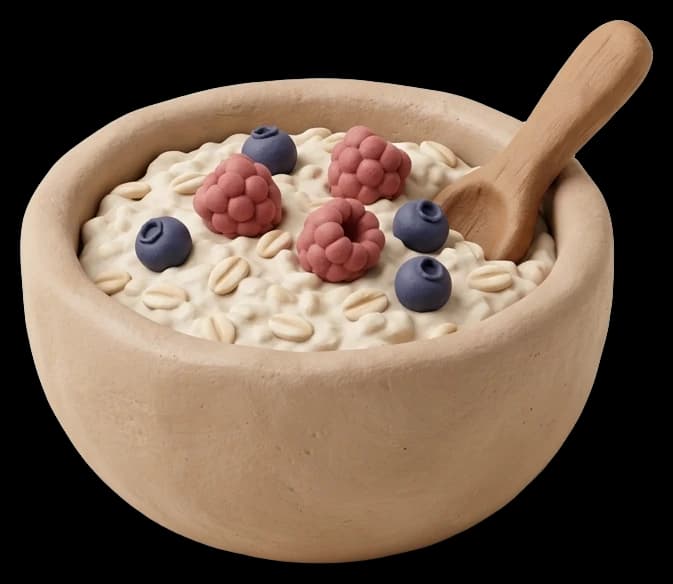
Barley, oats, or rice cooked and then chilled overnight
Barley and oats supply beta-glucan, a well-studied fermentable fiber. Chilling cooked rice or potatoes converts part of their starch to resistant starch, which behaves like fiber and feeds butyrate-producing bacteria.

Diet soda with sucralose or aspartame
Kombucha, water kefir, or sparkling water with citrus
Non-nutritive sweeteners have altered gut bacterial composition in both animal and human studies, with some participants showing worsened glucose responses. Kombucha keeps the cold fizzy ritual and contributes live cultures instead.
Pasteurized shelf-aisle sauerkraut
Raw refrigerated sauerkraut or kimchi listing vegetables and salt
Shelf-stable kraut is pasteurized after fermenting, which kills the live cultures, and many brands add vinegar and preservatives. The refrigerated case versions still contain the living bacteria that made fermented foods perform in trials.
Frequently askedquestions
Everything you need to know about scanning your food with Berry Pure.
Is the Mediterranean diet the best diet for gut health?
It has the strongest long-term clinical evidence, including the year-long NU-AGE trial linking adherence to favorable microbiome shifts and lower inflammation. But head-to-head, it is best treated as the base layer. Adding explicit fiber-diversity targets and daily fermented foods addresses the two levers the Mediterranean pattern leaves unspecified.
What does the 30 plants a week rule actually mean?
It means 30 different plant foods, not 30 servings. Every distinct vegetable, fruit, whole grain, legume, nut, seed, herb, and spice counts once for the week. The target comes from American Gut Project data showing people eating 30 or more weekly plant types had more diverse microbiomes than those eating 10 or fewer, regardless of diet label.
Are fermented foods better than fiber for the gut?
They appear to work faster on different mechanisms. In the 2021 Stanford trial, ten weeks of high fermented-food intake raised microbiome diversity and lowered 19 inflammatory markers, while the high-fiber arm showed subtler shifts in the same window. Fiber remains essential as the ongoing food supply for the bacteria fermented foods help establish, so the practical answer is both.
How long before a gut-friendly diet shows results?
Microbial composition begins shifting within days of a major dietary change, but the trials that showed meaningful outcomes ran longer: ten weeks for the Stanford fermented-foods study and a full year for NU-AGE. A reasonable expectation is subtle digestive changes within two to four weeks and compounding benefits with months of consistency.
Can a low-FODMAP diet be the best diet for gut health?
Low-FODMAP is a short-term diagnostic tool for IBS symptoms, not a long-term gut health strategy. It deliberately restricts many fermentable fibers, and extended use has been shown to reduce populations of beneficial bacteria like Bifidobacteria. It belongs under clinical guidance, with foods systematically reintroduced once triggers are identified.
Do ultra-processed foods really damage the microbiome?
Several ingredients characteristic of them have direct experimental evidence. Emulsifiers like polysorbate 80 and carboxymethylcellulose thinned the protective mucus layer and promoted inflammation in animal and lab models, and a human trial of carboxymethylcellulose reduced microbial diversity. Artificial sweeteners have altered gut bacteria in ways that impaired glucose tolerance in some participants. Diets high in these products also crowd out fiber, compounding the effect.



See what’s really
in your food
Scan your first label in seconds and start making cleaner choices across your whole kitchen.
Free to download. Subscription required for Premium.
Berry Pure Premium is a monthly or annual subscription. Payment is charged to your Apple ID at confirmation of purchase and automatically renews unless cancelled at least 24 hours before the end of the current period. Manage or cancel anytime in your App Store account settings.