
 Label check
Drinks Without Artificial Sweeteners
For a US soft drink, read the ingredients. Plain sparkling water has no sweetener; stevia or monk fruit may be another option. Sugar-sweetened drinks also qualify, but check Added Sugars separately.
Free to download on iPhone. Subscription required for Premium.
Choose the kind of sweetness you want
At the shelf, decide which of these you mean: no sweetener, a plant-derived high-intensity sweetener, or sugar instead of an artificial sweetener. They are different choices. On a US pack, the ingredient list tells you which sweetener is used; the Nutrition Facts panel tells you the Added Sugars grams per serving.
For this checklist, look for **aspartame, acesulfame potassium (ace-K), sucralose, saccharin, neotame and advantame** if you want to avoid the six sweeteners listed by the US FDA as food additives. The FDA also describes certain steviol glycosides and monk fruit extracts as plant- or fruit-based high-intensity sweeteners. A pack may use more than one sweetener, so read the whole list. See our artificial sweeteners names guide for more label terms.
Source: FDA, Aspartame and Other Sweeteners in Food, checked 6 October 2026. This is a preference checklist, not a safety ranking. Formulations and names vary by market; check the pack you are buying.
 How it works
A three-step soft-drink label check
 1
1Start with the ingredient list
If you want no added sweetener, choose a drink whose ingredients contain none. Plain water, plain sparkling water and unsweetened tea are simple starting points; check flavored versions separately.
 2
2Check the sweetener name
Avoiding the FDA's six artificial sweeteners? Look for aspartame, acesulfame potassium or ace-K, sucralose, saccharin, neotame and advantame. Steviol glycosides and monk fruit extract are different plant- or fruit-based options, not the same as an unsweetened drink.
 3
3Read Added Sugars separately
A drink sweetened with sugar, honey or syrup may have no artificial sweetener and still contain added sugar. Compare the Added Sugars grams per serving on the US Nutrition Facts panel if that matters to your choice.

 Cleaner swaps
Match the drink to your preference
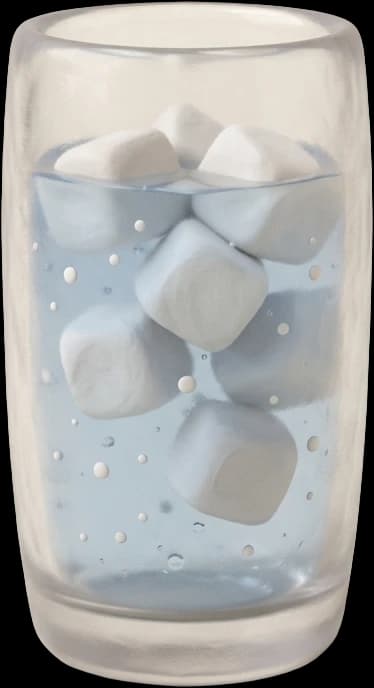
You want a fizzy drink with no sweetener
Plain sparkling water
Check that the ingredient list contains no sweetener. A fruit or flavor name on the front is not a substitute for that check.
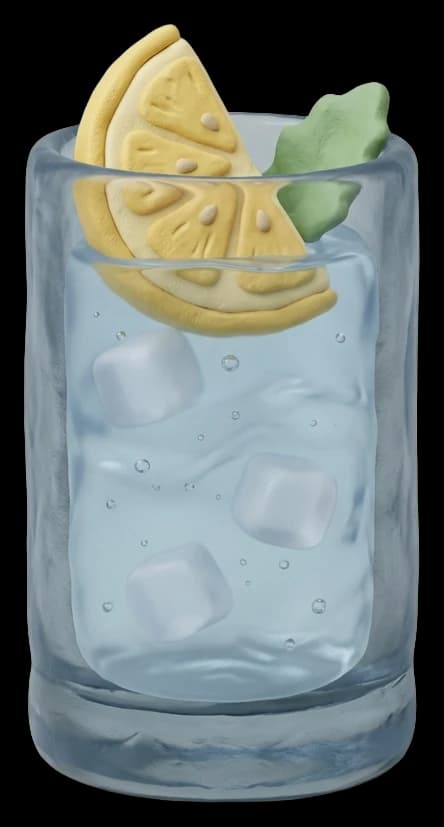
You want sweetness without the six FDA-listed artificial sweeteners
A drink listing steviol glycosides or monk fruit extract, if you like the taste
These are plant- or fruit-based high-intensity sweeteners in the FDA's US guidance. Check the rest of the ingredients for a blend.
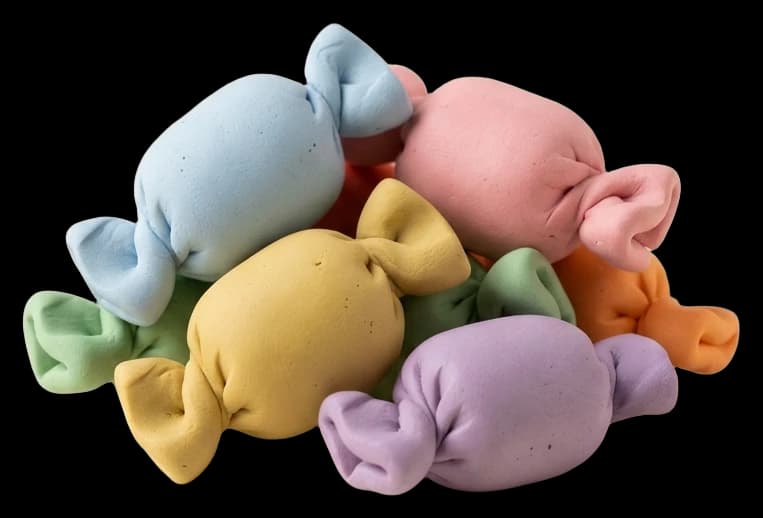
You want a sugar-sweetened soft drink instead
A drink whose list names sugar, honey or syrup and none of the six above
Avoiding artificial sweeteners does not make a drink sugar-free. Use Added Sugars on the pack to compare servings.
Frequently askedquestions
Everything you need to know about scanning your food with Berry Pure.
Are there soft drinks without artificial sweeteners?
Yes. Plain sparkling water is an unsweetened option. A sweetened drink may use sugar, certain steviol glycosides or monk fruit extract instead. Check the current ingredient list because formulations vary.
Is stevia the same as having no sweetener?
No. Certain steviol glycosides are plant-derived high-intensity sweeteners. If you want an unsweetened drink, look for no sweetener in the ingredient list.
Does zero sugar mean no artificial sweetener?
No. The FDA notes that sweeteners are used in drinks marketed as sugar-free or diet. Read the ingredient list for the sweetener name; the front label alone does not settle it.
Is a drink without artificial sweeteners automatically healthier?
No single sweetener label answers that question. A drink may contain added sugar, or no sweetener at all. Compare the ingredient list and the Added Sugars amount with your own needs rather than treating one label phrase as a health verdict.

See what’s really
in your food
Scan your first label in seconds and start making cleaner choices across your whole kitchen.
Free to download. Subscription required for Premium.
Berry Pure Premium is a monthly or annual subscription. Payment is charged to your Apple ID at confirmation of purchase and automatically renews unless cancelled at least 24 hours before the end of the current period. Manage or cancel anytime in your App Store account settings.