



 Label check
What Foods Are Not Processed? A Whole-Foods Grocery List
Single-ingredient foods, minimally processed staples, and the gray-area items in between. Here is what to actually put in the cart.
Free to download on iPhone. Subscription required for Premium.
Defining Unprocessed in a World of 30,000 SKUs
A typical American supermarket carries roughly 30,000 to 50,000 products. The vast majority are processed in some way, even a bag of carrots has been washed, sorted, and sometimes peeled. So what does unprocessed actually mean? Under the NOVA classification developed by nutrition researchers, foods fall into four groups. Group 1 is unprocessed or minimally processed: whole foods that have been cleaned, dried, ground, or frozen but otherwise unchanged. Group 2 is culinary ingredients like salt, sugar, butter, and oils used to prepare Group 1 foods. Group 3 is processed foods made by adding salt, sugar, or oil to Group 1 ingredients. Group 4 is ultra-processed, the category linked to higher risks of cardiometabolic disease, common mental disorders, and mortality in a 2024 umbrella review.
When most people ask what foods are not processed, they usually mean Groups 1 and 2, the building blocks of cooking. Fresh apples, raw almonds, plain rolled oats, eggs, whole chicken breasts, dried beans, olive oil, salt. These are the foods that have been part of human diets long before industrial food manufacturing existed.
The gray areas matter too. Frozen wild blueberries are Group 1. Plain canned chickpeas with just water and salt, an inexpensive source of protein and fiber, are Group 3 but minimally so. Plain Greek yogurt is Group 1 or borderline Group 3. Whole-grain sourdough from a local bakery is Group 3. None of these need to be avoided; they are practical staples that fit easily into a whole-foods diet.
 How it works
How to Verify a Food Is Truly Unprocessed
 1
1Look for One Ingredient on the Label
The fastest test for Group 1 status is the ingredient list. Plain rolled oats: rolled oats. Canned wild salmon: salmon, water, salt. If the ingredient list runs more than three lines, scan with BerryPure to identify which additives are present and what NOVA group the food belongs to.
 2
2Scan the Edges of the Store
Most Group 1 foods sit on the perimeter of the supermarket, produce, butcher, fish counter, dairy case, and bulk bins. The center aisles hold the packaged Group 4 items. Use BerryPure as you move from perimeter into aisles to keep your cart anchored in unprocessed territory.
 3
3Check Frozen and Canned for Hidden Additives
Frozen and canned can be Group 1 or Group 4 depending on what is added. Plain frozen broccoli is Group 1. Frozen broccoli in cheese sauce is Group 4. Scan to confirm. The freezer and canned aisles are not the enemy, many of their products are nutritional staples in disguise.

 Cleaner swaps
Whole-Food Building Blocks for Every Meal

Boxed cereal with 20 ingredients
Plain rolled oats, plain Greek yogurt with fresh fruit, or eggs
Each of these is a Group 1 food with one to three ingredients. Cooking time is comparable to making cereal, and you avoid the natural flavors, color additives, and added sugars that define Group 4 breakfast products.

Packaged deli meat for sandwiches
Roast a whole chicken or turkey breast on Sunday and slice for the week
A whole roasted bird is a single-ingredient food. The deli meat aisle is dominated by sodium nitrite, phosphates, dextrose, and natural flavors. Roasting at home takes 60 minutes of mostly hands-off time.

Bottled salad dressing with 15+ ingredients
Olive oil, vinegar or lemon juice, salt, and pepper whisked at the table
A vinaigrette is two to four Group 1 and Group 2 ingredients. Bottled dressings typically include soybean oil, modified starch, natural flavors, and stabilizers like xanthan gum or polysorbate 80.
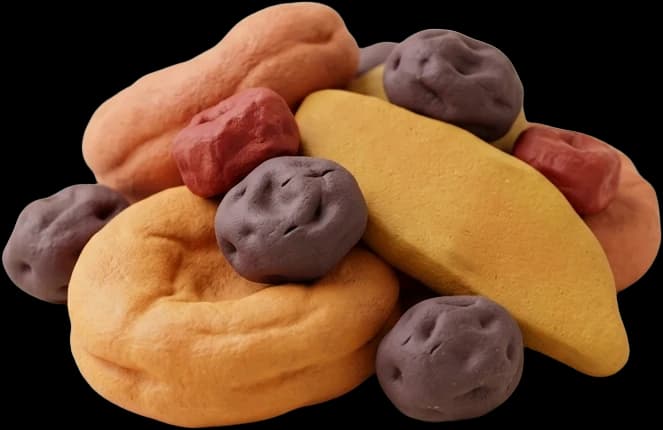
Granola bars and protein bars
Raw nuts, seeds, and dried fruit kept in a jar at your desk
A handful of almonds, walnuts, pumpkin seeds, and dates delivers the same protein-fat-carb mix as a bar without the seed oils, soy protein isolate, sugar alcohols, and emulsifiers found in most packaged bars.
Frequently askedquestions
Everything you need to know about scanning your food with Berry Pure.
What does unprocessed actually mean?
Unprocessed in everyday speech usually means NOVA Group 1: foods that exist in their natural state or have been cleaned, dried, ground, fermented, or frozen without chemical alteration. Examples include fresh produce, whole cuts of meat and fish, eggs, dried beans, plain milk, and plain rolled oats. Group 2 culinary ingredients like olive oil, butter, sugar, and salt are also commonly considered part of an unprocessed eating pattern when used to prepare Group 1 foods.
Are eggs processed?
Whole shell eggs are about as unprocessed as a food gets. They are Group 1, single-ingredient and minimally handled. Liquid egg products in cartons are a different story. Many add preservatives, citric acid, color, or natural flavors and qualify as Group 3 or Group 4 depending on the formula. If you scan the ingredient list and see only egg whites or whole eggs, you are still in Group 1 territory.
Is plain milk processed?
Pasteurized whole milk is technically processed because of the heat treatment, but nutrition researchers usually classify it as Group 1 because nothing has been added or removed besides pathogens. Skim and low-fat milk involve mechanical fat separation, which most still consider Group 1. Flavored milks (chocolate, strawberry) typically include carrageenan, natural flavors, and added sugar and cross into Group 4.
Are nuts and seeds unprocessed?
Raw and dry-roasted nuts and seeds with no added oil are Group 1. Shelled walnuts, almonds, pumpkin seeds, sunflower seeds, and chia seeds all qualify. The picture changes with flavored varieties, honey-roasted, smoked, or mixed snack varieties typically include sugar, soybean oil, MSG, or natural flavors and become Group 4. Nut butters with a single ingredient (just the nut) are still Group 1; flavored or stabilized nut butters cross into Group 3 or 4.
Are frozen fruits and vegetables considered unprocessed?
Yes, in nearly all cases. Plain frozen broccoli, cauliflower, peas, berries, and mango are Group 1 foods. The freezing process locks in nutrients shortly after harvest, and many studies show frozen produce retains as many or more vitamins than fresh produce that has traveled long distances. The exceptions are frozen vegetables in butter or cheese sauce, which add fats, salts, and stabilizers that move them into Group 3 or Group 4.
What about minimally processed foods like canned beans?
Plain canned beans with chickpeas, water, and salt are technically Group 3 because of the added salt, but they are minimally processed and considered a healthy staple by every major nutrition framework. The same applies to plain canned tomatoes, canned tuna packed in water, and plain frozen rice. These are not the foods linked to chronic disease in research. The ultra-processed concern centers on Group 4 products with industrial formulations.


See what’s really
in your food
Scan your first label in seconds and start making cleaner choices across your whole kitchen.
Free to download. Subscription required for Premium.
Berry Pure Premium is a monthly or annual subscription. Payment is charged to your Apple ID at confirmation of purchase and automatically renews unless cancelled at least 24 hours before the end of the current period. Manage or cancel anytime in your App Store account settings.