

 Label check
Artificial Sweeteners List
Six on the US FDA list: aspartame, Ace-K, sucralose, saccharin, neotame and advantame. UK packs may use E numbers; Australian packs may use numbers without E.
Free to download on iPhone. Subscription required for Premium.
A label-first sweetener checklist
US FDA food-additive list: acesulfame potassium (Ace-K, E950), aspartame (E951), saccharin (E954), sucralose (E955), neotame (E961) and advantame (E969). The FDA lists these six by name. The UK FSA code list matches these E numbers to names. The codes help identify them on UK and Australian packs; they are not a US approval system. On a US pack, look for the name in the ingredients.
Other Australia and New Zealand intense sweeteners: cyclamate (952), alitame (956) and aspartame-acesulfame salt (962) appear on the FSANZ list. The FDA says cyclamates are not allowed as sweeteners in US food. A number identifies an ingredient, but does not mean every use is permitted in every country or food.
Keep the categories separate: steviol glycosides (960), monk fruit extract (no number on the Australian list) and thaumatin (957) are not among the FDA six. Sugar alcohols, or polyols, are another group: sorbitol (420), mannitol (421), isomalt (953), maltitol (965), lactitol (966), xylitol (967) and erythritol (968). NSW Health lists these names and numbers. One product may contain several sweeteners.
Read the code in its market: UK FSA guidance says additives are listed by function followed by name or E number. FSANZ guidance describes an Australian class name followed by a name or number, such as sweetener (955). Food Standards Scotland also explains E-number identification on Scottish labels. A US list generally uses the ingredient name.
For health evidence, read our separate sweetener guide. To look up other codes, use common food additives.
 How it works
Three checks before you choose
 1
1Find the ingredient line
Read the full ingredient list on diet, zero-sugar or sugar-free products. A front-of-pack claim does not tell you which sweetener is inside.
 2
2Match the name or number
Use the six-name US list above for high-intensity food additives. Keep plant-derived sweeteners and polyols separate. For example, 955 is sucralose; 965 is maltitol, a polyol.
 3
3Compare the actual packs
Formulations and rules vary by market. Confirm the ingredients on the pack you are buying, then compare an unsweetened option if that fits your needs. BerryPure can help read ingredient names.

 Cleaner swaps
Simple shelf comparisons
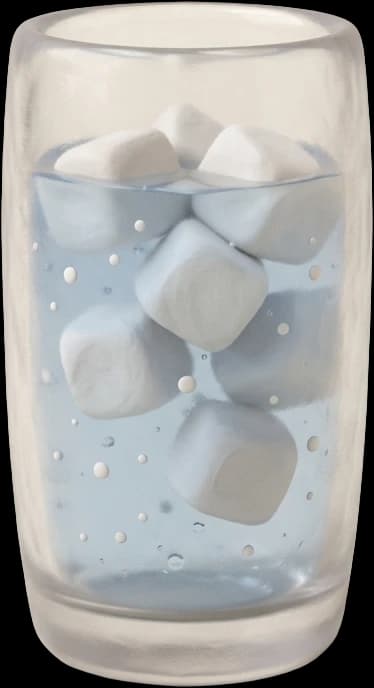
A drink listing aspartame (951) and Ace-K (950)
An unsweetened sparkling water
If you want no sweetener, verify that the alternative ingredient list has none. Do not rely on the word sparkling alone.

A gum listing maltitol (965) or sorbitol (420)
Another gum with a different sweetener
These are polyols, not members of the FDA six. Compare the actual ingredients rather than treating all sugar-free gum alike.
A flavoured powder listing sucralose (955)
An unflavoured powder with no listed sweetener
The ingredient list answers the question. A product name does not establish whether a sweetener is present.
Frequently askedquestions
Everything you need to know about scanning your food with Berry Pure.
What are the six artificial sweeteners on the US FDA list?
Aspartame, acesulfame potassium, sucralose, neotame, advantame and saccharin have US FDA food-additive listings. This is a US regulatory list, not every sweetener sold worldwide.
What do sweetener 950, 951 and 955 mean?
They identify acesulfame potassium, aspartame and sucralose. UK labels may show E950, E951 and E955. Australian labels may show the number without E. On a US pack, look for the name.
Which artificial sweetener should I avoid?
There is no sound one-size-fits-all ranking from the name alone. People with phenylketonuria (PKU) need to pay particular attention to aspartame because it contains phenylalanine. Seek personal medical advice for a specific health concern.
Are sugar alcohols artificial sweeteners?
They are a separate group called polyols. Examples include sorbitol (420), maltitol (965), xylitol (967) and erythritol (968). NSW Health notes that excess intake of polyols can have a laxative effect.
Is cyclamate on the US list?
No. FSANZ lists cyclamate as sweetener 952 in Australia and New Zealand, while the FDA says cyclamates are not allowed as sweeteners in US food.
Are stevia and monk fruit in the six?
No. The FDA discusses certain steviol glycosides and monk fruit extracts separately. On Australian labels, steviol glycosides may appear as sweetener (960); the FSANZ list gives monk fruit extract no additive number.
See what’s really
in your food
Scan your first label in seconds and start making cleaner choices across your whole kitchen.
Free to download. Subscription required for Premium.
Berry Pure Premium is a monthly or annual subscription. Payment is charged to your Apple ID at confirmation of purchase and automatically renews unless cancelled at least 24 hours before the end of the current period. Manage or cancel anytime in your App Store account settings.