


Soybean oil
- Where the oil comes from
- Soybean seed
- Label takeaway
- Seed oil
 Label check
Seed oils come from seeds such as soy, sunflower and canola. Find the named oil in the ingredients list, then judge the whole food separately.
Free to download on iPhone. Subscription required for Premium.
Seed oils are oils obtained from plant seeds. On US ingredient lists, look for names such as soybean oil, canola oil (from rapeseed), sunflower oil, safflower oil, cottonseed oil and corn oil. The USDA oil-crops documentation distinguishes these oilseed crops and vegetable oils. Olive oil comes from the olive fruit, not a seed.
The label tells you which oil the maker declares, not whether the entire food is ultra-processed. Under NOVA, the classification described by its researchers, ordinary cooking oils from seeds, nuts and fruits are Group 2 processed culinary ingredients. A packaged food containing oil can be Group 3 or Group 4 depending on its full formulation. Calling every seed oil itself Group 4 is incorrect.
If a US label says “vegetable oil,” read the parentheses or following list for the named oils. The FDA Food Labeling Guide gives “Vegetable Oil (contains one or more of the following: Corn Oil, Soybean Oil, or Safflower Oil)” as an example of an alternative-oil declaration. That wording names possibilities, not which oil is in the particular pack. Use the ingredient list on the package you are holding.
 How it works
 1
1Read the full ingredients list. Look for soybean, canola, sunflower, safflower, cottonseed or corn oil. Do not assume that every “vegetable oil” is the same oil.
 2
2A phrase such as “soybean and/or canola oil” names possible oils. It does not tell you which one this batch contains. Check the current pack when formulations matter to you.
 3
3One oil does not settle a NOVA group or a health verdict. Read the other ingredients and Nutrition Facts, then decide what matters for this purchase.
 Cleaner swaps

You want to know whether a package contains a seed oil
Read the named oils after “vegetable oil”
A named oil is more informative than front-of-pack claims. A blend can list alternatives, so the exact oil in a given pack may be unclear.
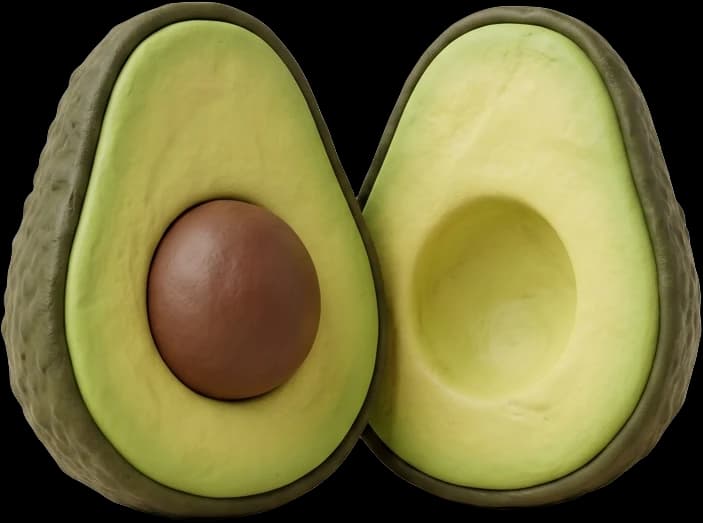
You want a fruit-derived cooking oil
Compare bottles labelled olive or avocado oil
Olive oil is obtained from olive fruit and typical avocado oil from avocado pulp. A fruit-derived oil is not automatically a better choice for every recipe or person.
You want to know whether a snack is ultra-processed
Check the whole ingredient list, not the oil alone
NOVA treats ordinary cooking oils as Group 2 culinary ingredients. The finished food needs its own classification.
Everything you need to know about scanning your food with Berry Pure.
Common label names include soybean, canola, sunflower, safflower, cottonseed and corn oil. These are seed-derived oils; “vegetable oil” is a broader label term, so read any named oils in the ingredients list.
No. Olive oil comes from the fleshy part of the olive fruit. It is a vegetable oil in the broad plant-oil sense, but not a seed oil.
Avocado oil is generally made from fruit pulp, not the seed. Check the package if it is a blend or if the source of the oil matters to you.
No. In NOVA, ordinary oils are Group 2 culinary ingredients. The full packaged food may fall in a different group depending on its formulation. An oil name alone cannot classify it.
The claim is not established by the oil name alone. A systematic review of randomized trials in healthy people found that higher dietary linoleic acid did not raise the inflammatory markers measured. That finding does not test every oil, use or health outcome. Look at the overall food rather than using one ingredient as a health verdict.
BerryPure can analyze a photo of an ingredient label and return ingredient findings and a purity score. Review the full result and the Nutrition Facts on the pack; do not treat an oil name alone as a verdict.
Scan your first label in seconds and start making cleaner choices across your whole kitchen.
Free to download. Subscription required for Premium.
Berry Pure Premium is a monthly or annual subscription. Payment is charged to your Apple ID at confirmation of purchase and automatically renews unless cancelled at least 24 hours before the end of the current period. Manage or cancel anytime in your App Store account settings.