



 Label check
Improve Gut Health by Cutting Ultra-Processed Ingredients
Your gut microbiome thrives on real food. BerryPure scans labels so you can spot the additives that disrupt digestion, before they reach your cart.
Free to download on iPhone. Subscription required for Premium.
Why Your Grocery List Matters More Than Supplements
Trying to improve gut health usually starts with a probiotic capsule or a fermented drink, but the biggest lever most people overlook is what they stop eating. Emulsifiers like polysorbate 80 and carboxymethylcellulose have been shown in peer-reviewed research to thin the protective mucus layer lining the intestine, making it easier for bacteria to trigger inflammation. Artificial sweeteners such as sucralose and saccharin can shift the balance of gut bacteria toward species associated with glucose intolerance. These ingredients hide in products that look perfectly healthy, flavored yogurts, protein bars, even some "whole grain" breads.
The good news is that cleaning up your diet does not require a nutrition degree. It requires reading labels carefully, and that is exactly what BerryPure automates. Point your phone camera at an ingredient list and the app highlights the additives linked to gut disruption within seconds. Over time, you build a personal history of scans that reveals patterns, maybe your go-to granola has more emulsifiers than you realized.
Small, consistent swaps add up. Replacing one ultra-processed snack per day with a whole-food alternative, since diets high in ultra-processed food track with higher rates of inflammatory bowel and other conditions, gives your intestinal lining a chance to repair and your microbiome time to rebalance. The sections below walk you through the specific steps, swaps, and answers to common questions about gut-friendly eating.
 How it works
How BerryPure Helps You Protect Your Gut
 1
1Scan the Ingredient Panel
Open BerryPure and aim your camera at any packaged food. The app reads the full ingredient list using on-device OCR, no typing required.
 2
2See Gut-Disrupting Additives Flagged
Emulsifiers, artificial sweeteners, and synthetic colorants known to affect the microbiome are highlighted in red, with brief explanations of why each one matters.
 3
3Check the Purity Score
Every product gets a score from 0 to 100. Products scoring above 80 are largely free of ultra-processed additives, making them safer picks for gut health.
- 4
Browse Suggested Swaps
When a product scores low, BerryPure recommends cleaner alternatives in the same category so you can improve gut health without overhauling your entire routine.

 Cleaner swaps
Gut-Friendly Swaps You Can Make Today
Flavored yogurt with carrageenan and sucralose
Plain full-fat yogurt with fresh berries
Eliminates two common gut irritants while adding fiber and polyphenols that feed beneficial bacteria.

Store-bought salad dressing with soybean oil and polysorbate 60
Olive oil, lemon juice, and Dijon mustard whisked together
Removes the emulsifier linked to mucus-layer thinning and replaces industrial seed oil with monounsaturated fat.
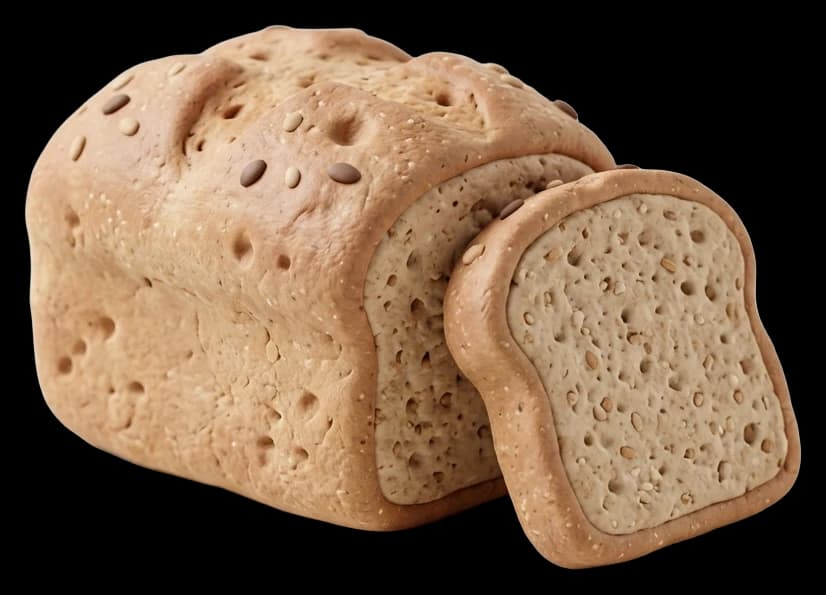
Mass-market white bread with dough conditioners (DATEM, mono- and diglycerides)
Sourdough bread from a local bakery (flour, water, salt, starter)
Sourdough fermentation breaks down some gluten and phytic acid, and the short ingredient list means zero emulsifiers.
Diet soda sweetened with aspartame or ace-K
Sparkling water with a splash of real fruit juice
Avoids artificial sweeteners that may alter gut bacteria composition while still giving you carbonation and flavor.
Processed cheese slices with sodium phosphate
Real aged cheddar or gouda sliced at the deli counter
Phosphate additives can irritate the gut lining; real cheese also provides beneficial bacteria cultures naturally.
Frequently askedquestions
Everything you need to know about scanning your food with Berry Pure.
How long does it take to improve gut health through diet changes?
Research published in the journal Nature found that measurable shifts in gut bacteria can occur within 24 to 48 hours of a dietary change. However, restoring a more diverse and stable microbiome typically takes several weeks of consistent cleaner eating. Most people notice differences in bloating and digestion within the first two weeks.
Which ultra-processed ingredients are worst for the gut?
Emulsifiers, especially polysorbate 80 and carboxymethylcellulose, have the strongest experimental evidence for disrupting the gut mucus barrier. Artificial sweeteners like sucralose and saccharin are also well-documented for altering microbial balance. Synthetic colorants such as titanium dioxide are under increasing scrutiny as well.
Can BerryPure tell me if a food contains prebiotics or probiotics?
BerryPure focuses on detecting harmful ultra-processed additives rather than cataloging beneficial compounds. That said, products that score high on the purity scale tend to be whole or minimally processed foods, which are naturally richer in prebiotic fiber and, in the case of fermented items, live cultures.
Is gluten bad for gut health?
For people with celiac disease, gluten causes direct intestinal damage. For the general population, the evidence is less clear. What BerryPure often reveals is that many gluten-containing products are ultra-processed, it is the dough conditioners, emulsifiers, and preservatives alongside the gluten that may be causing issues, not the wheat itself.
Do I need to take a probiotic supplement if I eat clean?
Not necessarily. A varied diet rich in fermented foods, yogurt, kefir, sauerkraut, kimchi, and high in fiber from vegetables, legumes, and whole grains can maintain a healthy microbiome for most people. Supplements may help during or after antibiotic use, but they are not a substitute for a clean, whole-food diet.


See what’s really
in your food
Scan your first label in seconds and start making cleaner choices across your whole kitchen.
Free to download. Subscription required for Premium.
Berry Pure Premium is a monthly or annual subscription. Payment is charged to your Apple ID at confirmation of purchase and automatically renews unless cancelled at least 24 hours before the end of the current period. Manage or cancel anytime in your App Store account settings.