



 Label check
Is Nutella ultra-processed? Yes, on the US label
The current US Nutella Classic ingredient list includes artificial vanillin and soy lecithin. Here is how to check the jar in your hand.
Free to download on iPhone. Subscription required for Premium.
What the current US Nutella label shows
Nutella's US product page, checked 6 October 2026, lists sugar, palm oil, hazelnuts, skim milk, cocoa, lecithin as an emulsifier, and vanillin as an artificial flavor. Sugar appears first, but the ingredient list alone does not give grams per serving. The same US page reports 21 g Total Sugars, including 19 g Added Sugars, per 2 Tbsp (37 g). Check your jar because products and markets can differ.
Under the NOVA classification, Group 4 is about the whole industrial formulation. Flavourings and emulsifiers are useful clues. In this US Nutella list, artificial vanillin and emulsifier lecithin support a Group 4 reading. Palm oil, sugar and milk powder are not, by themselves, proof that a food is ultra-processed. NOVA describes processing; it is not a safety rating.
 How it works
A three-step check for your jar
 1
1Match the product and market
This answer uses Nutella Classic sold in the US, checked 6 October 2026. Read the ingredients on your own jar first. Berry Pure can scan the label text, but the pack is the final reference.
 2
2Read the full ingredient list
Look for the artificial vanillin and lecithin listed as an emulsifier. Judge the formulation together; do not label the spread ultra-processed just because it contains palm oil or sugar.
 3
3Check Added Sugars per serving
The current US Nutrition Facts panel says 19 g Added Sugars per 2 Tbsp (37 g). Compare the same serving size when you look at another spread; ingredient order cannot tell you the grams.

 Cleaner swaps
Two ways to compare the shelf
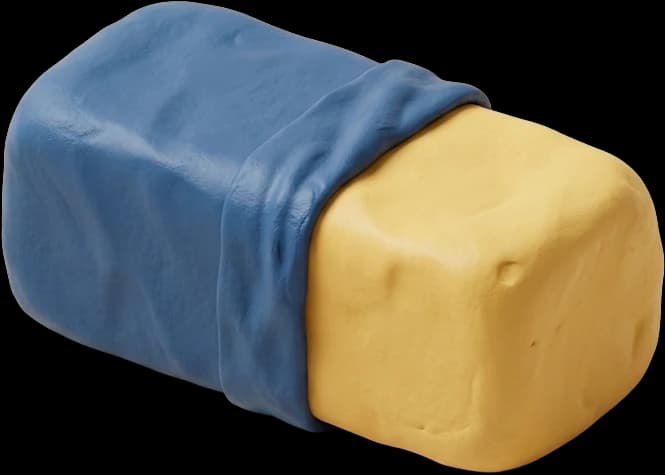
US Nutella Classic
Plain hazelnut butter
Look for hazelnuts as the only ingredient, or hazelnuts and salt. It is a different, unsweetened food, so compare taste and serving size on its own terms.
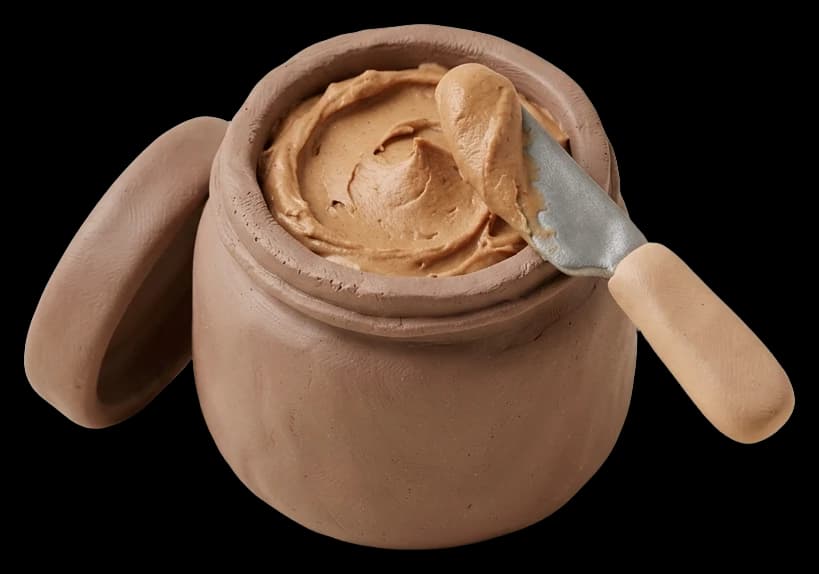
Chocolate-hazelnut spread with artificial flavour
A spread without added flavouring or emulsifier
Read the full ingredient list and Nutrition Facts side by side. A shorter list is not a guarantee of lower sugar, and formulations vary by product.
Frequently askedquestions
Everything you need to know about scanning your food with Berry Pure.
Why is US Nutella classed as ultra-processed?
The current US ingredient list includes artificial vanillin and lecithin as an emulsifier. NOVA authors identify flavourings and emulsifiers as practical Group 4 clues. The classification considers the whole formulation, not a single ingredient.
Does palm oil alone make Nutella ultra-processed?
No. Palm oil is an ingredient in the US spread, but an ordinary cooking oil alone does not decide the NOVA group. The added artificial flavour and emulsifier in the full formulation matter here.
How much added sugar is in US Nutella?
The current US Nutella Classic page lists 19 g Added Sugars in a 2 Tbsp (37 g) serving, within 21 g Total Sugars. Read the panel on your own jar for its serving and formulation.
Is the same ingredient list used in every country?
Do not assume so. This answer is based on the US product page checked 6 October 2026. Nutella also sells other products. Read the ingredient list and nutrition panel for the product and market you are buying.
Does ultra-processed mean unsafe?
No. NOVA is a classification of how a food is formulated and processed, not a verdict that one serving is unsafe. For a shopping decision, consider the ingredient list, the nutrition panel and how you plan to use the spread.

See what’s really
in your food
Scan your first label in seconds and start making cleaner choices across your whole kitchen.
Free to download. Subscription required for Premium.
Berry Pure Premium is a monthly or annual subscription. Payment is charged to your Apple ID at confirmation of purchase and automatically renews unless cancelled at least 24 hours before the end of the current period. Manage or cancel anytime in your App Store account settings.