

 Label check
Which cooking oils are not seed oils?
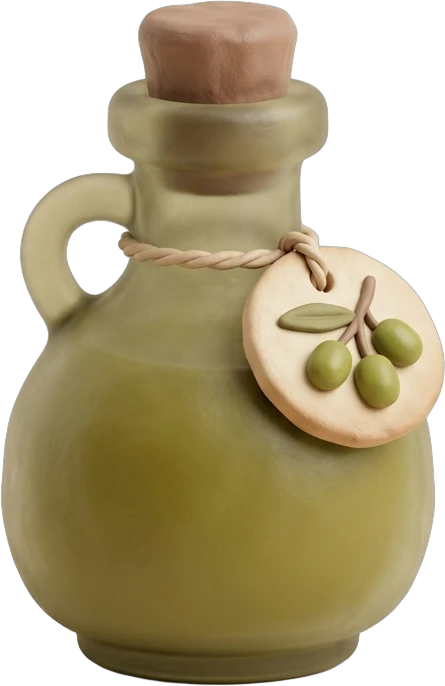
Olive and avocado oils come from fruit, not seeds. Palm oil comes from fruit flesh, but palm kernel oil comes from the seed. Check the exact ingredient list: non-seed does not automatically mean healthier.
Free to download on iPhone. Subscription required for Premium.
Oil origin and nutrition are different questions
If you want a cooking oil that is not pressed from a seed, olive oil and avocado oil are straightforward starting points. Virgin olive oil is obtained from olive fruit, and UC Davis describes virgin avocado oil as extracted from avocado fruit. Palm oil comes from oil-palm fruit flesh; palm kernel oil comes from the seed. Those two names are not interchangeable.
This is an origin list, not a ranking of health benefits. The American Heart Association recommends unsaturated liquid oils, including canola, corn, soybean and sunflower, in place of butter and tropical oils such as palm and coconut. There is no reason to call all seed oils harmful or to assume butter or tallow is the healthier swap. See how common seed oils appear on labels.
For a packaged food, read the full ingredient list. 'Made with olive oil' on the front does not rule out another oil in a blend. An explicit 'olive oil, sunflower oil' declaration names both. A 'contains one or more of' list names possibilities, not which oil is in your pack. If you are comparing nutrition, use the Saturated Fat line too; oil origin alone does not tell you that number.
Fruit oil or seed oil? Read the exact name
| Ingredient name | What it means on a label |
|---|---|
| Olive oil | From olive fruit. Extra virgin and refined grades differ in processing and flavor, not seed origin. |
| Avocado oil | From avocado fruit. A named oil on a blended-food label does not rule out other oils. |
| Palm oil | From oil-palm fruit flesh. It is not palm kernel oil; check Saturated Fat when comparing products. |
| Palm kernel oil | From the palm seed. Do not treat this as the same ingredient as palm oil. |
| Canola, soybean or sunflower oil | Seed-derived oils. Seed origin alone is not a safety verdict. |
 How it works
A practical oil-label check
 1
1Name your reason for switching
If the goal is oil origin, look for olive or avocado oil. If the goal is nutrition, compare Saturated Fat and the overall food instead of using a seed-free badge as a shortcut.
 2
2Read the oil declaration
A blend can contain fruit and seed oils together. Read the full US ingredient list, but treat a 'contains one or more of' oil list as uncertain: it may not identify which oil this package contains.
 3
3Choose for the dish
Extra virgin olive oil can be used for everyday cooking and dressings. Avocado oil may suit a milder flavor. Use the product directions and avoid heating any oil until it smokes.

 Cleaner swaps
Comparisons that keep the goal clear
You want an oil not sourced from seeds
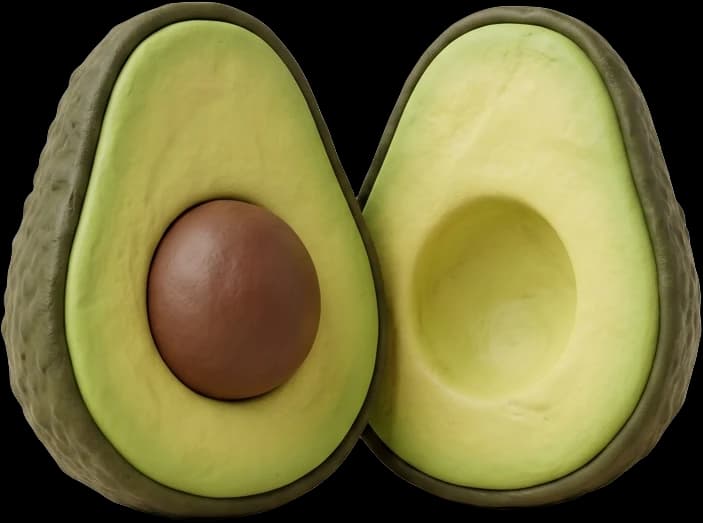
Compare single-ingredient olive and avocado oils
Their fruit origin is clear; check the actual package for a single oil rather than a blend.

You are choosing between palm and palm kernel oil
Read the full ingredient name
Palm oil is from fruit flesh, while palm kernel oil is from the seed. Both are distinct from olive or avocado oil.
You are replacing canola for health reasons
Compare unsaturated liquid oils, not a seed-free claim
The American Heart Association includes canola and olive among recommended cooking oils and advises limiting saturated fats.
Frequently askedquestions
Everything you need to know about scanning your food with Berry Pure.
Is olive oil a seed oil?
No. The International Olive Council defines virgin olive oil as oil obtained from olive fruit. Check the full label if a packaged food says it is made with olive oil; other oils may also be present.
Is avocado oil a seed oil?
No. UC Davis describes virgin avocado oil as extracted from avocado fruit. That does not prove every bottle is pure; check the ingredient statement and buy the product that fits your needs.
Is palm oil a seed oil?
Palm oil comes from the flesh of oil-palm fruit. Palm kernel oil comes from the seed. Palm oil is relatively high in saturated fat, so non-seed is not the same as a heart-health endorsement.
Are seed oils bad for you?
The American Heart Association recommends several unsaturated seed oils for cooking. This page identifies oil origin, not a safety verdict. If you are comparing two products for health, also read the Saturated Fat line and consider the whole food.
Does made with olive oil mean no seed oil?
No. A packaged food may use more than one oil. Read the full ingredient list, and treat a 'contains one or more of' oil list as possible ingredients rather than proof of which one is in this pack.


See what’s really
in your food
Scan your first label in seconds and start making cleaner choices across your whole kitchen.
Free to download. Subscription required for Premium.
Berry Pure Premium is a monthly or annual subscription. Payment is charged to your Apple ID at confirmation of purchase and automatically renews unless cancelled at least 24 hours before the end of the current period. Manage or cancel anytime in your App Store account settings.