



 Label check
Anti Inflammatory Diet: Scan Labels for Hidden Triggers
Following an anti inflammatory diet is easier when you can instantly spot the additives and ultra-processed ingredients that may be working against you.
Free to download on iPhone. Subscription required for Premium.
Why Your Anti-Inflammatory Diet Starts at the Label
An anti-inflammatory diet focuses on whole foods rich in antioxidants, healthy fats, and fiber -- think leafy greens, fatty fish, berries, nuts, and olive oil. A systematic review and meta-analysis of Mediterranean-style eating has linked this style of eating with reduced markers of chronic inflammation, particularly C-reactive protein, which plays a role in conditions from heart disease to joint pain.
But here is the part many people overlook: it is not just about adding the right foods. It is equally about removing the wrong ingredients. Ultra-processed additives like artificial colors, refined seed oils, high fructose corn syrup, and certain emulsifiers have been studied for their potential to promote inflammatory responses in the gut and throughout the body. In experimental studies published in Nature, common emulsifiers altered the gut microbiota and induced low-grade intestinal inflammation. A salad topped with a dressing full of soybean oil, artificial flavors, and sodium benzoate may undermine the very anti-inflammatory benefits you are chasing.
Scanning ingredient lists bridges this gap. Instead of relying on front-of-package marketing claims like "heart healthy" or "made with whole grains," you can see exactly which additives are present and decide for yourself whether a product fits your anti-inflammatory goals. Once you know what to avoid, our anti-inflammatory foods list and anti-inflammatory recipes cover what to stock and what to cook.
 How it works
How to Keep Inflammatory Additives Out of Your Cart
 1
1Scan the ingredient label
Open BerryPure at the grocery store and point your camera at the ingredient list of any product you are considering. The scan takes just a few seconds, even on long or hard-to-read labels.
 2
2Spot pro-inflammatory additives
The app flags ingredients associated with inflammatory responses -- refined seed oils, artificial colors like Red 40 and Yellow 6, high fructose corn syrup, and emulsifiers such as carrageenan and polysorbate 80.
 3
3Evaluate the overall purity score
Products get a score reflecting how many ultra-processed ingredients they contain. For an anti-inflammatory diet, aim for products scoring 70 or above to minimize exposure to synthetic additives.
- 4
Discover anti-inflammatory alternatives
BerryPure recommends replacement products with cleaner ingredient lists in the same category, making it simple to stick with your dietary goals without spending hours comparing labels manually.

 Cleaner swaps
Swaps That Support an Anti-Inflammatory Diet

Margarine made with refined seed oils
Grass-fed butter or ghee
Margarine often contains interesterified or partially hydrogenated oils. Grass-fed butter provides conjugated linoleic acid and butyrate, both of which have been studied for anti-inflammatory properties.

Sugary granola bars with corn syrup
Homemade trail mix (raw nuts, dark chocolate, dried tart cherries)
Tart cherries and raw nuts are rich in polyphenols and omega-3 fats, while corn syrup adds empty calories that may spike blood sugar and promote inflammation.

Processed deli meat with sodium nitrite
Fresh roasted turkey breast or canned wild salmon
Sodium nitrite in processed meats can form nitrosamines, which are associated with oxidative stress. Fresh protein or wild-caught fish provides omega-3s without the preservatives.
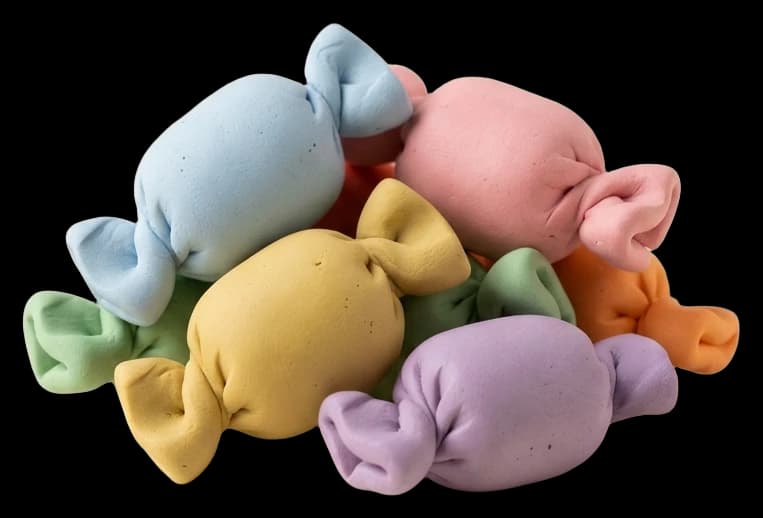
Regular pasta sauce with added sugar and soybean oil
Tomato sauce made with olive oil and no added sugar (Rao's, Muir Glen)
Many popular pasta sauces sneak in soybean oil and 8-10 grams of added sugar per serving. Brands using only tomatoes, olive oil, and herbs keep the ingredient list clean.

Artificially colored sports drinks
Coconut water or homemade electrolyte drink (water, lemon, salt, honey)
Synthetic dyes like Blue 1 and Yellow 6 offer zero nutritional value and have been flagged in some studies for potential inflammatory effects. Natural electrolyte sources skip these entirely.
Frequently askedquestions
Everything you need to know about scanning your food with Berry Pure.
What foods should I eat on an anti-inflammatory diet?
Focus on fatty fish like salmon and sardines, leafy greens, berries, nuts and seeds, extra virgin olive oil, whole grains, and spices like turmeric and ginger. These foods are rich in omega-3 fatty acids, antioxidants, and fiber that support your body's natural anti-inflammatory processes.
Which ultra-processed ingredients are most inflammatory?
The ones most frequently studied for pro-inflammatory effects include refined seed oils high in omega-6 fats, high fructose corn syrup, artificial trans fats (partially hydrogenated oils), artificial colors, and certain emulsifiers like carrageenan and polysorbate 80, which may disrupt the gut lining.
Can scanning labels really help with inflammation?
Yes. Much of the inflammatory load in the modern diet comes from additives hidden in everyday packaged foods. By scanning labels and choosing products with fewer ultra-processed ingredients, you reduce your cumulative exposure to compounds that may contribute to chronic low-grade inflammation.
Is an anti-inflammatory diet the same as a Mediterranean diet?
They overlap significantly. The Mediterranean diet emphasizes olive oil, fish, vegetables, legumes, and whole grains -- all anti-inflammatory staples. The main difference is framing: an anti-inflammatory diet specifically targets reducing inflammation, while the Mediterranean diet is a broader cultural eating pattern. Both discourage ultra-processed foods.
How long does it take to see results from an anti-inflammatory diet?
Individual results vary, but many people report improvements in energy, digestion, and joint comfort within two to four weeks of consistently reducing ultra-processed foods and increasing whole-food intake. Blood markers of inflammation like C-reactive protein may take longer to shift measurably.



See what’s really
in your food
Scan your first label in seconds and start making cleaner choices across your whole kitchen.
Free to download. Subscription required for Premium.
Berry Pure Premium is a monthly or annual subscription. Payment is charged to your Apple ID at confirmation of purchase and automatically renews unless cancelled at least 24 hours before the end of the current period. Manage or cancel anytime in your App Store account settings.