



 Label check
Blood Sugar Detox: Flatten Your Glucose Curve by Cutting Hidden Spikers
The ingredients wrecking your energy are not always sweet. Maltodextrin spikes glucose harder than table sugar, and it is sitting in your salad dressing right now.
Free to download on iPhone. Subscription required for Premium.
A Blood Sugar Detox Targets the Spike, Not the Carb
The 2 pm slump, the shakiness when a meal runs late, the hunger that returns 90 minutes after eating: these are the signatures of a glucose roller coaster. Each steep spike triggers a matching insulin surge, which often overshoots and drops blood glucose below where it started, producing what researchers call reactive hypoglycemia in miniature. Your brain reads that dip as an emergency and demands fast carbohydrate, and the cycle repeats. A blood sugar detox is a focused reset that removes the ingredients producing the steepest spikes, so the curve flattens and the emergency signals stop.
The useful lens here is glycemic response, not carbohydrate count. Pure glucose scores 100 on the glycemic index and table sugar around 65, but maltodextrin, a starch-derived thickener and filler, clocks in between 105 and 136, meaningfully worse than sugar itself. White bread sits near 75, higher than many candy bars. Meanwhile lentils land around 30 and most non-starchy vegetables barely register. This is why cutting all carbs is the wrong move: the target is refined, fast-absorbing carbohydrate stripped of fiber, not the beans, oats, and vegetables that release glucose gradually.
The hard part is that the worst spikers wear savory disguises. Maltodextrin appears in salad dressings, seasoned chips, instant soups, spice blends, and, ironically, many products labeled sugar-free. Dextrose turns up in deli meat and cured bacon. Rice syrup solids sweeten protein bars marketed as clean. Modified food starch thickens yogurts and sauces. None of these tastes notably sweet, so nothing warns you at the fork. Our guide to foods with hidden sugar maps this territory in detail, and scanning labels is the only realistic way to catch these ingredients at the point of purchase.
Liquid sources deserve their own paragraph because they hit fastest of all. Juice, smoothie bottles, sweetened coffee drinks, and sports drinks deliver 20 to 45 grams of fast sugar with zero fiber to slow absorption, producing the sharpest spikes in a typical day. The fructose fraction adds a second problem: it is processed almost entirely by the liver, and habitual excess contributes to fat accumulation there. During a blood sugar detox, calories do not arrive by straw. Water, sparkling water, tea, and coffee with milk cover every beverage occasion.
Removal is half the protocol; blunting is the other half. The same carbohydrate produces a measurably smaller spike when you change how it arrives. Eat vegetables and protein before starches in a meal, a sequencing trick shown in clinical studies to cut post-meal glucose peaks substantially. Pair any carb with fat, protein, or fiber rather than eating it naked. Take a 10 to 15 minute walk after your largest meal, since working muscle pulls glucose out of the bloodstream without needing insulin. A splash of vinegar in dressing before a carb-heavy meal has modest spike-lowering evidence behind it too.
Run the reset for two weeks and pay attention to three markers: whether afternoon energy holds steady, whether you comfortably last four to five hours between meals, and whether the urgent edge on cravings softens. Most people feel the difference between days five and ten. If you want to pair the glycemic cleanup with a stricter all-around sweetener elimination, our no sugar detox guide covers that harder version. And if you have diabetes or take glucose-lowering medication, loop in your doctor before making sharp dietary changes, since your medication may need adjusting as your levels improve.
 How it works
Finding Your Spikers With BerryPure
 1
1Scan your savory staples first
Start with dressings, deli meat, chips, instant soups, and sauces, the places spikers hide undetected. BerryPure flags maltodextrin, dextrose, rice syrup solids, modified starch, and every added sugar alias by name.
 2
2Rank products by glycemic threat
Use the purity score to sort your regular purchases from worst to cleanest. The products combining refined starches with multiple sweeteners are your priority replacements; a single swap there flattens more curve than ten minor ones.
 3
3Verify swaps and recheck in two weeks
Scan replacement candidates in the aisle so a new product does not smuggle in the same ingredients under different names. After two weeks, rescan your kitchen to confirm your average score climbed and note how your energy pattern changed.

 Cleaner swaps
Swaps Ranked by Glycemic Payoff
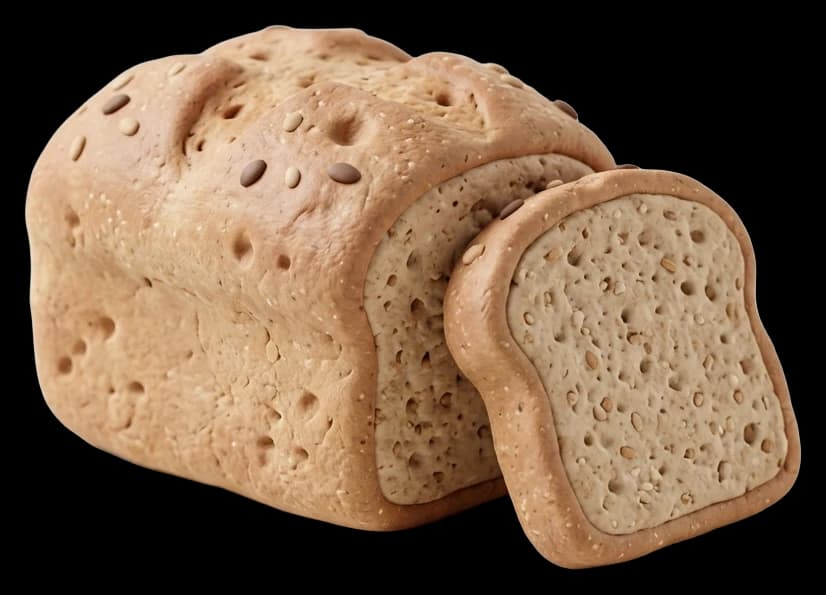
Soft white sandwich bread
True sourdough or sprouted grain bread
White bread's glycemic index of roughly 75 beats many desserts. Sourdough fermentation produces organic acids that slow starch digestion, and sprouted grains carry more intact fiber, both delivering a flatter curve from the same sandwich.

Flavored coffee creamer with corn syrup solids
Whole milk or half-and-half
Two or three creamer-lightened coffees can add 15 to 24 grams of fast sugar spread across the morning, keeping insulin elevated for hours. Milk fat and protein barely move glucose while keeping the coffee creamy.

Fat-free fruit yogurt with modified corn starch
Full-fat plain Greek yogurt with berries
Removing fat removes the very nutrient that blunts a spike, then the recipe compensates with sweeteners and starch thickeners. Full-fat Greek yogurt pairs 15-plus grams of protein with fat, producing one of the flattest glucose responses in the dairy aisle.

Bottled salad dressing with maltodextrin and sugar
Olive oil, vinegar, and Dijon mustard shaken in a jar
Dressing is a stealth double-hit: added sugar plus maltodextrin, which spikes glucose harder than sucrose. The homemade version takes 30 seconds, and the vinegar itself has modest evidence for lowering the post-meal peak.

Instant mashed potatoes and instant white rice
Roasted whole potatoes, or rice cooked then cooled and reheated
Pre-gelatinized instant starches digest almost as fast as glucose. Cooking and cooling potatoes or rice forms resistant starch, which resists digestion in the small intestine and measurably lowers the glycemic response even after reheating.

Sweetened smoothie bottles and juice blends
Whole fruit eaten with a handful of nuts
A bottled smoothie can carry 25 to 45 grams of sugar with the fruit fiber pulverized or absent, hitting the bloodstream nearly as fast as soda. Intact fruit plus nut fat delivers the same flavors over a two-hour absorption instead of a twenty-minute spike.
Frequently askedquestions
Everything you need to know about scanning your food with Berry Pure.
What is a blood sugar detox?
It is a short reset, typically two weeks, focused on removing the ingredients that cause rapid glucose spikes: added sugars, refined flours, maltodextrin, dextrose, and liquid sugar. It differs from a general sugar detox by targeting glycemic impact rather than sweetness, which means some non-sweet ingredients go while whole-food carbohydrates stay.
Which ingredients spike blood sugar the most?
Maltodextrin tops the list with a glycemic index of 105 to 136, above pure table sugar. Dextrose is essentially straight glucose. Rice syrup solids, pre-gelatinized starches, and refined white flour follow close behind. Liquid forms are the most aggressive in practice, since nothing slows their absorption.
Do I need to cut all carbs to stabilize blood sugar?
No, and doing so usually backfires as unsustainable. Legumes, intact whole grains, and vegetables carry their glucose packaged with fiber that meters release into the bloodstream. The reset targets refined and industrially processed carbohydrates, which behave completely differently from the same grams delivered in whole-food form.
How fast will I notice steadier energy?
Most people feel the change between days five and ten: the afternoon crash shrinks, meals hold you longer, and cravings lose their urgency. Sleep and focus improvements typically follow in the second and third weeks. The speed depends mainly on how spike-heavy your starting diet was.
Can eating order really change my glucose response?
Yes, and the effect is well documented. Clinical studies show that eating vegetables and protein before the carbohydrate portion of a meal reduces the post-meal glucose peak substantially compared with eating the same foods in reverse order. Combined with a short walk after eating, sequencing is the cheapest glucose tool available.
Is a blood sugar detox safe if I have diabetes?
Talk to your doctor first. The dietary direction, fewer refined carbohydrates and steadier glucose, aligns with standard diabetes guidance, but rapid changes can drop glucose levels enough that insulin or medication doses need adjusting. Anyone on glucose-lowering medication should make these changes under medical supervision.



See what’s really
in your food
Scan your first label in seconds and start making cleaner choices across your whole kitchen.
Free to download. Subscription required for Premium.
Berry Pure Premium is a monthly or annual subscription. Payment is charged to your Apple ID at confirmation of purchase and automatically renews unless cancelled at least 24 hours before the end of the current period. Manage or cancel anytime in your App Store account settings.