

Base ingredients
- Ernest Wonderful White
- Flour, water, salt, fermented wheat flour
- Warburtons Original Toastie 400g
- Flour, water, yeast, salt, oils and soya flour
- What it tells you
- Both are bread. The front-of-pack name does not assign a NOVA group.
 Label check
Group 3 is a recognisable food with culinary ingredients added. Group 4 is an industrial formulation. Two current UK bread labels show where to look.
Free to download on iPhone. Subscription required for Premium.
NOVA groups foods by the purpose and extent of processing, not by calories or a health score. Group 1 is unprocessed or minimally processed food; Group 2 is culinary ingredients such as oil, salt and sugar; Group 3 is food preserved or prepared mainly with those culinary ingredients; Group 4 is an industrial formulation with ingredients or cosmetic additives rarely used in home cooking. A NOVA group is a processing description, not a verdict on whether a food fits your diet.
On UK bread labels checked 2 October 2026, Ernest Wonderful White sourdough lists flour, water, salt and fermented wheat. The Tesco product listing gives the full flour fortification details. Warburtons Original Toastie 400g lists a preservative and emulsifiers E472e and E481 alongside the bread ingredients. Under the NOVA researchers’ label method, the first label is consistent with Group 3 bread, while the emulsifiers are Group 4 clues on the second. These are our interpretations of the published ingredient lists, not official product ratings. Formulations vary by pack and market; read the one in your hand.
If you want more food examples rather than the four-group method, see our processed-food list. For a deeper bread-specific comparison, see our sourdough guide.
 How it works
 1
1Start with what the product is, then read its full ingredients. A whole food preserved with salt, oil or sugar can fit Group 3. A front-of-pack word such as sourdough cannot decide the group.
 2
2Group 4 clues include isolated food substances and cosmetic additives such as flavours, colours, sweeteners and emulsifiers. Read the additive’s function and the rest of the list; a long list alone is not a reliable rule.
 3
3NOVA is not a nutrition score. Compare the nutrition panel and your own needs too. Berry Pure can scan an ingredient list to help you spot unfamiliar terms, but the group is only one piece of the choice.
 Cleaner swaps
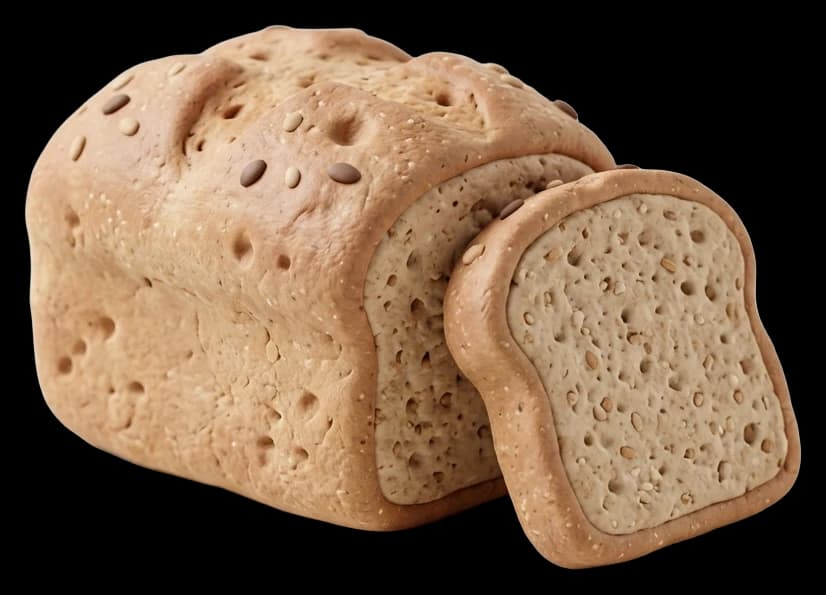
Bread listing emulsifiers
Bread listing flour, water, salt and starter or yeast
The published NOVA method treats cosmetic additives as Group 4 clues. A simple bread recipe can fit Group 3. Check the exact pack, not the name on the front.

Flavoured yogurt with sweeteners and flavourings
Plain yogurt with fruit you add
Plain yogurt can be minimally processed; sweeteners and flavourings signal a more formulated product. Compare the whole list and nutrition panel.
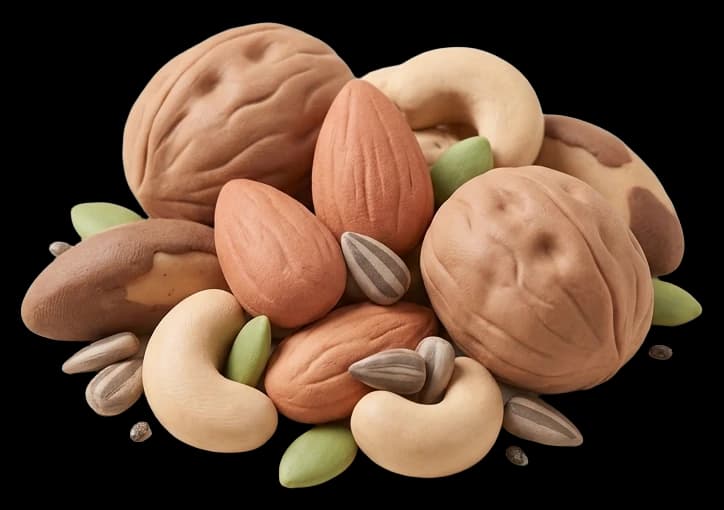
Snack built from protein isolate, starch and flavouring
Nuts with salt
NOVA distinguishes a formulated snack from a recognisable food preserved or seasoned with a culinary ingredient. This says nothing by itself about portion size or nutrient balance.
Everything you need to know about scanning your food with Berry Pure.
Group 1 is unprocessed or minimally processed food. Group 2 is culinary ingredients such as oil, salt and sugar. Group 3 is a recognisable food preserved or prepared with those ingredients. Group 4 is an industrial formulation using extracted food substances or cosmetic additives.
Group 4 refers to industrial formulations, often with ingredients rarely used in home cooking, such as protein isolates, modified starches, flavourings, sweeteners or emulsifiers. The classification describes processing, not a complete nutrition rating.
Researchers led by Carlos Monteiro at the University of São Paulo developed the NOVA classification. It is used in food-processing research and discussed in the FAO’s 2019 report.
Start with the food, then look for the purpose of added ingredients. Salt, oil or sugar added to a recognisable food can fit Group 3. Industrial food fractions and cosmetic additives are Group 4 clues. If the label is ambiguous, do not force a confident rating.
Not automatically. NOVA describes processing, not the full nutritional value of a food. Compare the nutrition panel, ingredients and how the food fits your usual diet.
Scan your first label in seconds and start making cleaner choices across your whole kitchen.
Free to download. Subscription required for Premium.
Berry Pure Premium is a monthly or annual subscription. Payment is charged to your Apple ID at confirmation of purchase and automatically renews unless cancelled at least 24 hours before the end of the current period. Manage or cancel anytime in your App Store account settings.